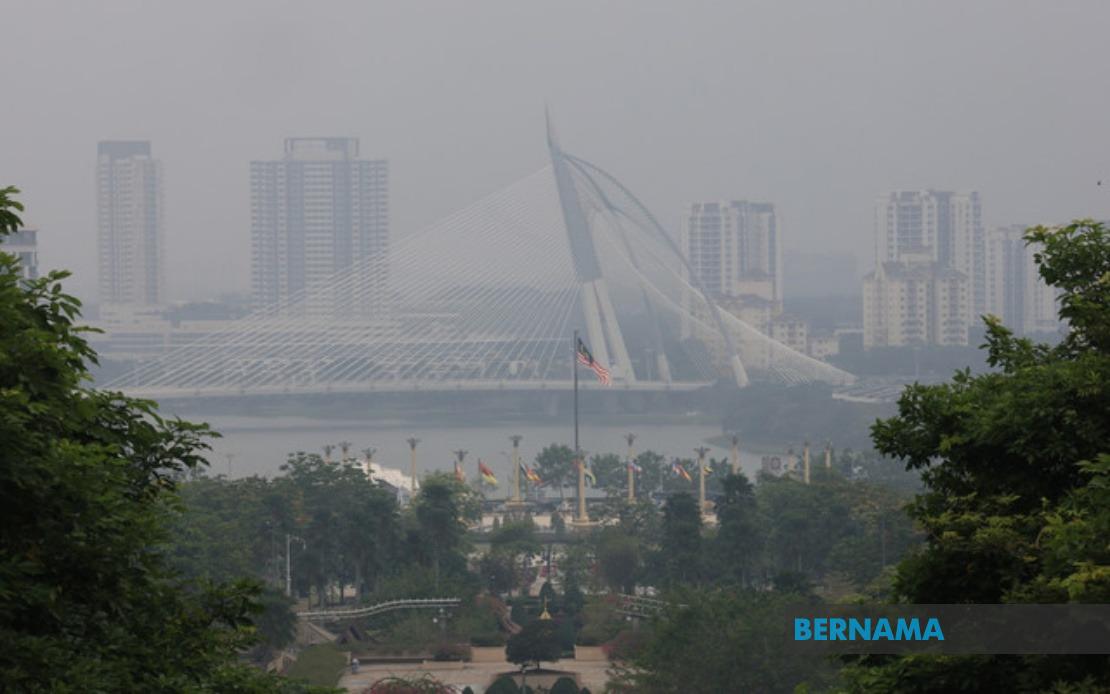
The Department of Islamic Development Malaysia (JAKIM) is organising a nationwide spiritual initiative to address the haze crisis engulfing the country, with special prayers scheduled at three significant mosques tonight. Following Maghrib prayers, the National Mosque in Kuala Lumpur, Putra Mosque, and Tuanku Mizan Zainal Abidin Mosque in Putrajaya will host Solat Hajat ceremonies, a traditional Islamic practice seeking divine intervention during times of hardship and environmental distress.
Director-general Datuk Dr Sirajuddin Suhaimee announced the religious response as air quality deteriorated across multiple regions, emphasising that the prayers represent a collective appeal for divine protection and restoration. The invitation extends to all Muslims to participate in the evening supplications, which carry both spiritual and communal significance as Malaysians confront environmental challenges threatening public health and wellbeing across the peninsula and Borneo.
The JAKIM initiative reflects broader religious guidance cascading through Malaysia's leadership hierarchy. Al-Sultan Abdullah Ri'ayatuddin Al-Mustafa Billah Shah, the Sultan of Pahang and Yang di-Pertuan Agong, issued a decree calling upon all Malaysians to engage in prayers and seek divine assistance for those suffering haze-related effects. This royal directive carries considerable weight within Malaysia's constitutional framework, where the monarchy holds significant cultural and spiritual authority, particularly on matters affecting the welfare of the realm.
Furthermore, Dr Zulkifli Hasan, Minister in the Prime Minister's Department (Religious Affairs), also championed the prayer initiative, demonstrating cross-institutional coordination between secular and religious governance structures. This alignment underscores how Malaysia's leadership typically mobilises spiritual and institutional resources during environmental crises, recognising that public confidence depends not only on technical mitigation but also on demonstrating unified, compassionate governmental response grounded in the nation's Islamic values.
The haze situation has deteriorated markedly, with air quality monitoring revealing widespread pollution across multiple jurisdictions. As of 8 am on the day of announcement, seventeen distinct areas spanning six states—Sarawak, Selangor, Negeri Sembilan, Johor, Melaka, and Perak—alongside the federal territories of Kuala Lumpur and Putrajaya, recorded unhealthy Air Pollutant Index readings. This geographic spread indicates a crisis of considerable scope, affecting roughly half the nation and encompassing densely populated urban centres alongside industrial zones and agricultural regions.
The scale of affected areas highlights transnational dimensions of Southeast Asia's recurring haze problem, which typically originates from agricultural burning and forest clearing in Indonesia, particularly during drought-affected dry seasons. Malaysia, positioned downwind from major pollution sources in Sumatra and Kalimantan, frequently experiences the consequences of regional practices beyond its direct control, creating diplomatic and environmental tensions that periodically resurface as air quality deteriorates.
The decision to coordinate religious responses reflects the Malaysian state's pragmatic recognition that environmental crises intersect with public anxiety, health concerns, and social cohesion. Solat Hajat ceremonies, as communal acts of supplication, simultaneously serve institutional and psychological functions—they demonstrate governmental concern, provide structured outlets for collective worry, and reinforce social solidarity during stressful periods. For many Malaysian Muslims, such prayers offer spiritual reassurance alongside material governance responses like air quality monitoring and health advisories.
Datuk Dr Sirajuddin Suhaimee's statement requesting divine protection for all Malaysians and restoration of affected areas signals inclusive governance language transcending religious boundaries, even as the mechanism—Islamic prayer—remains specifically communal. This rhetorical approach attempts to frame environmental crisis response as a shared national endeavour while employing religious institutions as delivery mechanisms, reflecting Malaysia's constitutionally Islamic but administratively pluralistic governance model.
The timing and scale of JAKIM's mobilisation suggests haze severity warranting escalated institutional response beyond routine environmental management. When religious authorities coordinate nationwide prayers during environmental crises, it typically indicates either exceptional pollution levels threatening significant public health impacts or accumulated frustration with recurring seasonal crises lacking satisfactory solutions. The involvement of the Yang di-Pertuan Agong and ministerial coordination suggests governmental assessment that technical and administrative responses alone require supplementary institutional and spiritual dimensions to maintain public confidence and social stability.
Looking forward, this crisis illuminates persistent regional challenges requiring sustained diplomatic engagement between Malaysia and neighbouring countries regarding transboundary pollution. While religious responses provide immediate institutional frameworks for public mobilisation and spiritual solace, long-term resolution demands regional environmental agreements, enforcement mechanisms, and development practices reducing agricultural burning. For Malaysian policymakers and citizens, the haze represents both an immediate public health emergency requiring short-term mitigation and a chronic regional problem demanding multilateral solutions addressing root causes in neighbouring jurisdictions.

