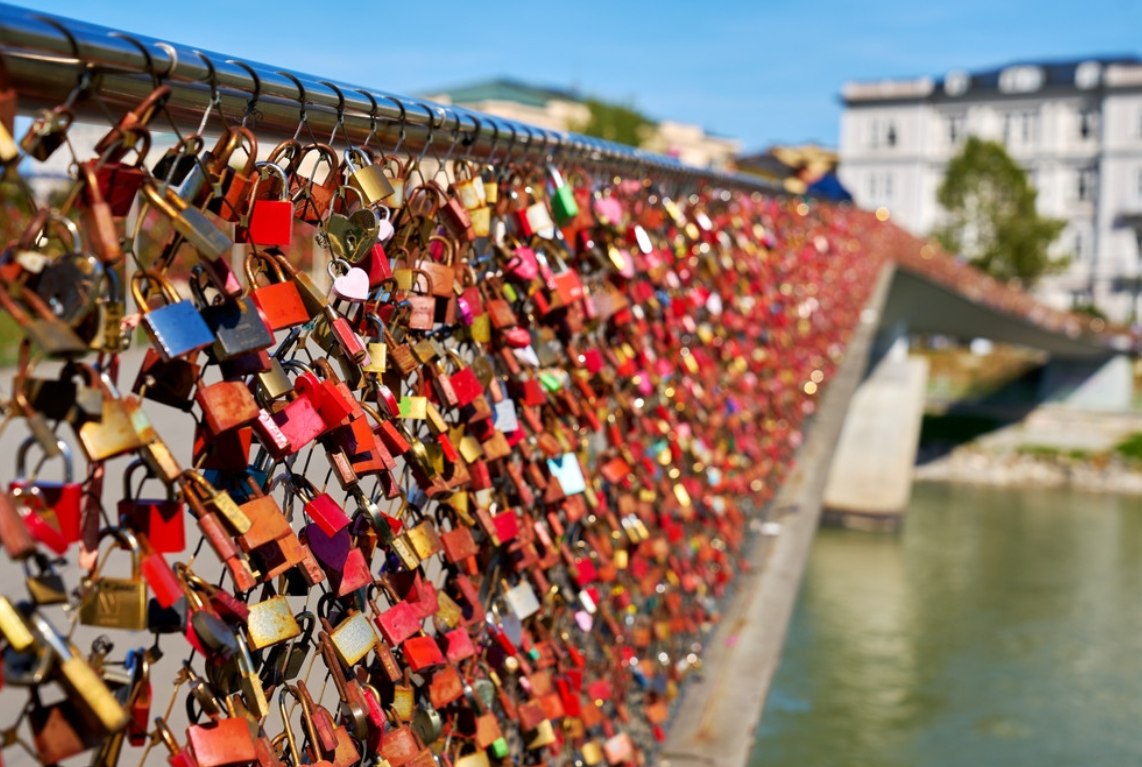
Jakarta's administration has proposed constructing a series of pedestrian bridges designed as romantic installations over the Cideng River, part of a broader beautification initiative along one of Southeast Asia's most congested urban corridors. Governor Pramono Anung announced the project would create three or four bridges linking Jl. Rasuna Said to Jl. Kuningan Persada, directly in front of the Corruption Eradication Commission headquarters, with the stated aim of providing a focal point where couples could attach padlocks and create colourful public spaces inspired by similar attractions in Paris and Seoul.
The municipal government has earmarked Rp 91 billion (US$5 million) for revitalising the entire 3.8-kilometre Rasuna Said corridor, one of Jakarta's most heavily trafficked thoroughfares that serves as a vital business and commercial artery. Beyond the love lock bridges themselves, the renovation package encompasses sidewalk improvements and the removal of deteriorating concrete pillars remaining from an abandoned monorail initiative dating to the early 2000s. Special gubernatorial adviser Cyril Raoul Hakim emphasised that bridge designs would marry contemporary aesthetics with practical pedestrian access, though final budget allocations for the love lock installations remain undetermined pending detailed engineering assessments.
The proposal has generated considerable scepticism from Jakarta residents and urban development specialists who question whether commemorative installations constitute the most efficient allocation of municipal resources. Karlina, a 27-year-old office worker employed in the nearby Mega Kuningan business precinct, acknowledged the bridges' potential novelty appeal whilst voicing doubts about whether they would realistically draw foot traffic to this primarily commercial zone. She noted that young Jakartans gravitating toward the area would likely prioritise freely accessible public gathering spaces connected by convenient public transportation rather than symbolic romantic destinations, reflecting broader generational preferences for practical, cost-free urban amenities.
Urban planning scholar Trubus Rahadiansyah characterised the love lock bridge initiative as fundamentally misguided symbolism divorced from functional urban requirements. He stressed that Rasuna Said's existing traffic patterns remain overwhelmingly vehicular rather than pedestrian in nature, rendering the location unsuitable for infrastructure targeting foot traffic. Rahadiansyah contended that municipal authorities should channel limited capital toward demonstrably urgent mobility challenges throughout Jakarta's sprawling metropolitan area, rather than concentrating resources on aesthetic installations in high-income business districts.
Rahadiansyah's critique gained particular resonance when contextualised against Jakarta's persistent railway crossing safety deficiencies. In April, a preventable collision between a Commuter Line train and the Argo Bromo Anggrek intercity service in neighbouring Bekasi, West Java resulted in sixteen casualties and over ninety injured passengers, following an initial accident involving a commuter train striking a private vehicle trapped at an unsecured level crossing. Rahadiansyah highlighted that numerous railway intersections throughout Jakarta lack fundamental protective infrastructure including proper crossing gates, making these sites far more pressing candidates for public investment than cosmetic bridge projects designed primarily for social media photography.
The geographical equity dimensions of Jakarta's development spending have also drawn scrutiny from municipal legislators. Kevin Wu, a city councillor representing the Indonesian Solidarity Party, publicly called for transparent review procedures regarding the love lock bridge proposal whilst emphasising that municipal budgets must prioritise fundamental resident welfare across all districts. Wu pointedly observed that western, eastern, and northern Jakarta residents deserved equitable infrastructure development and warned against allowing high-visibility flagship projects to overshadow essential services including accessible sidewalks, secure pedestrian crossings, and accessible public green space distribution.
This debate reflects broader tensions between Jakarta's aspirations toward regional cosmopolitanism and the pragmatic demands of managing a megacity where an estimated 10 million residents navigate daily mobility challenges. The love lock bridge concept undoubtedly possesses international precedent and romantic appeal, yet critics argue that replicating Paris and Seoul monuments in a fundamentally distinct urban context risks misallocating scarce resources. Unlike European cities where pedestrian culture dominates central business districts, Jakarta's core zones remain primarily oriented toward vehicular circulation, potentially limiting the romantic bridge installation's actual utilisation.
Moreover, the timing of this proposal carries implicit political dimensions worth considering. Governor Pramono Anung, who assumed office relatively recently, faces expectations to demonstrate progressive urban governance whilst maintaining fiscal responsibility. Beautification projects can generate favourable media coverage and provide visible administrative achievements, yet they simultaneously risk appearing tone-deaf when critical safety infrastructure remains inadequate. The Bekasi rail collision particularly highlighted how infrastructure gaps directly translate into preventable fatalities, lending Rahadiansyah's and Wu's arguments substantial moral weight.
The love lock bridge discourse also illuminates deeper questions about who benefits from urban development in Jakarta's increasingly stratified metropolitan landscape. The Rasuna Said corridor and adjacent Mega Kuningan district primarily serve affluent professionals and corporate interests, whilst poorer peripheral neighbourhoods often lack fundamental public amenities. Directing substantial resources toward romantic installations in this wealthy corridor potentially deepens existing spatial inequalities across Jakarta, concentrating beautification investment in zones already commanding premium real estate values and foreign direct investment.
Looking forward, this proposal will likely require reconciliation between competing visions of Jakarta's urban development trajectory. Municipal authorities appear committed to the project's symbolic and economic potential as a tourism attractor and social media phenomenon, yet sustained political pressure from councillors like Wu and expert critiques from planning specialists create genuine obstacles to implementation. Future municipal budgeting cycles will probably witness continued debate about whether limited resources should prioritise iconic destinations or more dispersed, equitable infrastructure serving broader resident populations across all Jakarta districts.

