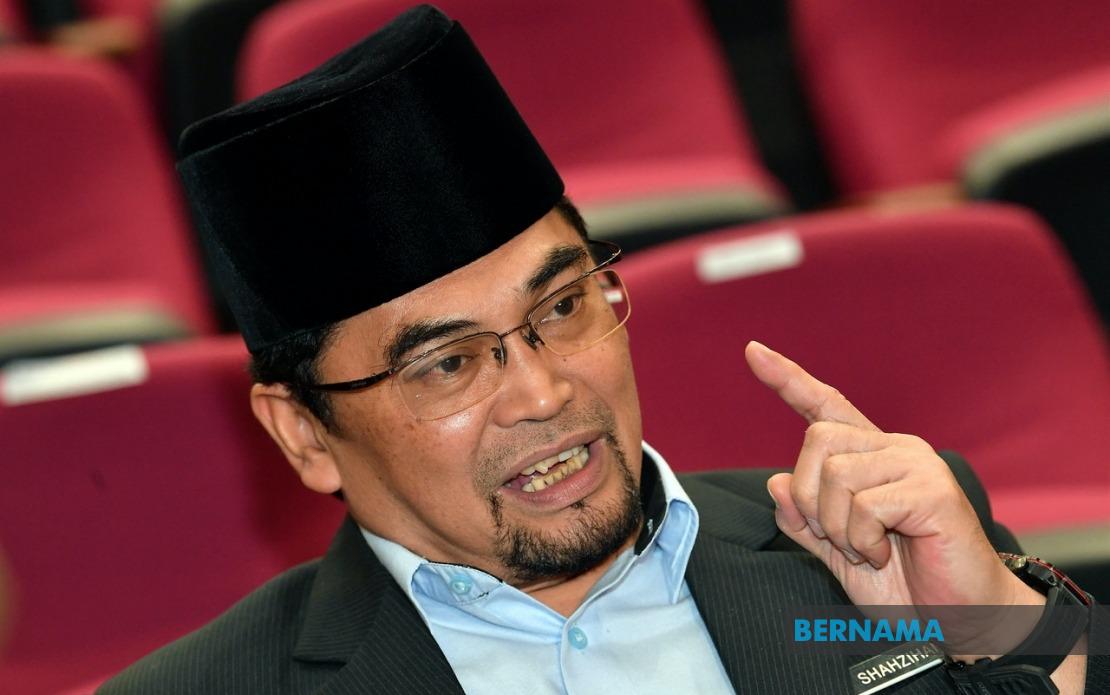
Selangor's Islamic Religious Department (JAIS) is moving to substantially strengthen its oversight of religious school personnel in response to mounting concerns about safeguarding vulnerabilities. The agency's director, Datuk Mohd Shahzihan Ahmad, disclosed that comprehensive new measures are being developed to combat sexual misconduct and other inappropriate behaviour within these institutions. Working closely with the School Registration Committee, JAIS is advancing proposals designed to create meaningful barriers against abuse while maintaining the educational integrity of these establishments.
Among the most significant proposals under discussion is a requirement for all teaching staff to undergo police background clearance before employment or continued engagement. Datuk Mohd Shahzihan indicated that security screening protocols would be substantially enhanced, with JAIS now consulting with police authorities to establish the practical mechanics of implementation. This represents a marked shift from current practice, signalling that Selangor recognises existing vetting procedures as insufficient protection for students in religious educational settings. The police clearance requirement would function as a gateway mechanism, preventing individuals with criminal histories—particularly those involving violence or sexual offences—from accessing positions of authority over minors.
Beyond employment screening, JAIS is simultaneously crafting detailed behavioural guidelines to regulate the professional conduct expected of teachers, administrators, and senior students within religious schools. These guidelines aim to eliminate opportunities for misconduct by establishing clear boundaries around teacher-student interactions. The framework explicitly addresses what Datuk Mohd Shahzihan termed activities that "should be avoided," including the provision of preferential treatment, unauthorised private meetings, and clandestine gatherings occurring outside regular supervision.
Particular attention is being directed toward memorisation sessions and specialised study periods that traditionally occur in religious institutions. The new protocols would mandate that such sessions occur only during designated hours with appropriate adult supervision and, critically, in spaces where other people are present. This directly counters a pattern observed in abuse cases where perpetrators exploit isolated settings and the trust placed in religious authority figures to facilitate misconduct. By institutionalising transparency and visible supervision, JAIS aims to create an environment where inappropriate contact becomes substantially more difficult to conceal.
The timing of these reforms follows a documented case in which a religious school teacher allegedly committed sexual assault against a student. That incident was formally transferred to police investigation, underscoring that Selangor state authorities have acknowledged both the reality of abuse within these settings and the inadequacy of existing safeguards. Rather than treating such cases as isolated incidents, JAIS has correctly interpreted the occurrence as symptomatic of systemic vulnerabilities requiring comprehensive institutional reform.
For Malaysian parents, particularly those sending children to boarding religious schools or intensive Islamic educational programmes, these developments carry significant implications. The implementation of police clearance requirements represents concrete progress toward accountability, though success depends entirely on rigorous enforcement and the police force's capacity to conduct thorough background investigations. Parents should recognise that screening measures, while necessary, function as preventative rather than absolute protective mechanisms; they screen out individuals with documented offences but cannot eliminate the risk entirely.
The emphasis on regulated student-teacher interactions and supervised group sessions reflects international best practice in child safeguarding within educational institutions. Schools worldwide have progressively tightened protocols around one-on-one contact between adults and minors, recognising that isolation creates opportunity for abuse. Religious schools, which often involve intensive mentorship relationships and profound trust dynamics, require particularly robust safeguarding frameworks to protect students from exploitation of authority and spiritual influence.
Implementation challenges remain substantial. Datuk Mohd Shahzihan's statement that police screening procedures are still being discussed suggests that operational frameworks have not yet been finalised. Questions persist regarding resource availability, timeline for implementation across all registered religious schools, mechanisms for monitoring compliance, and consequences for institutional non-compliance. Selangor's approximately 300 registered religious schools serve tens of thousands of students; scaling new screening and supervision requirements across this sector demands significant coordination and investment.
The reforms also highlight gaps in national-level coordination on child protection in educational settings. While JAIS operates within Selangor's jurisdiction, religious schools operate across Malaysia, with students sometimes travelling interstate for intensive programmes. A patchwork of state-based safeguarding standards could create inconsistencies, allowing problematic individuals to relocate between jurisdictions. The federal government's role in establishing minimum national standards for religious school oversight therefore warrants urgent clarification.
These measures should be understood within broader movements toward institutional transparency and accountability in Malaysia's education and religious sectors. Public confidence in religious schools—institutions entrusted with formative roles in children's development—depends fundamentally on demonstrable commitment to student protection. JAIS's willingness to acknowledge vulnerabilities and implement systemic reforms, rather than defensive denial, suggests a mature institutional response to a genuine safeguarding crisis.
Moving forward, stakeholder engagement will prove critical. Religious school administrators, parents, and student representatives should participate in developing implementation guidelines to ensure that new protocols are both effective and proportionate. Periodic independent audits and transparent public reporting on screening outcomes and disciplinary actions would further strengthen accountability. The religious education sector's willingness to embrace these reforms will ultimately determine whether institutional confidence can be restored and whether students receive the protection their vulnerability merits.

