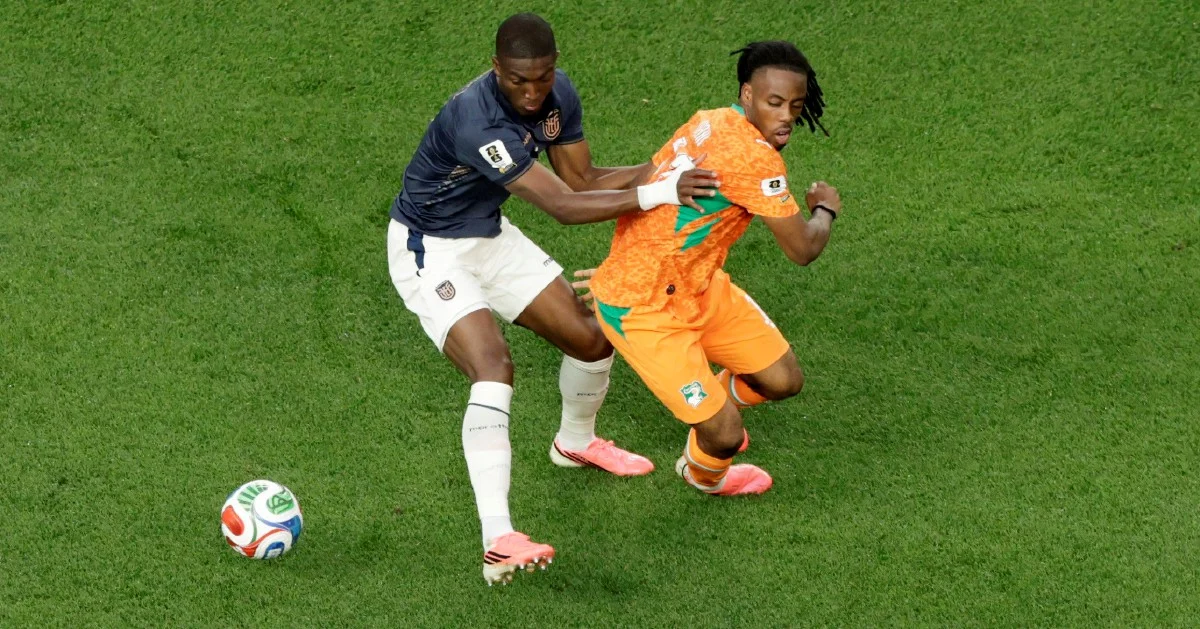
The Ivory Coast Football Federation took decisive action Thursday to suspend forward Elye Wahi from international duty, preventing him from joining the squad for the weekend World Cup encounter with Germany in Canada. The move comes one day after Wahi became entangled in an investigation alleging involvement in sports corruption tied to a Ligue 1 fixture, marking an extraordinary intervention in competitive football at the highest level.
Wahi's exclusion represents a significant development in African football, where national team integrity and competitive fairness remain paramount concerns for confederation officials and fans alike. The decision by the Ivorian federation underscores the severity with which sports authorities are treating allegations of match manipulation, signalling zero tolerance for players implicated in such misconduct regardless of their playing profile or importance to the national squad.
The investigation centres on suspected irregular conduct during a French league match, implicating Wahi in what authorities characterise as possible manipulation of competition outcomes. Match-fixing allegations carry serious ramifications not only for individual players but also for the credibility of national teams and their federations on the international stage. For Ivory Coast, swift action removes the player from the immediate situation while investigations proceed through proper channels.
Wahi's absence creates a selection challenge for the Ivorian coaching staff as they prepare for one of the tournament's marquee fixtures. Germany represents formidable opposition, and losing a potentially key attacking contributor forces tactical reconsideration and shifts in team composition. The forward's removal from the squad, however justified on principle, reflects the complex intersection between player welfare, competitive advantage, and institutional responsibility that governing bodies must navigate.
The timing compounds the situation, arriving just days before a critical World Cup match when team preparations are in their final phases. National federations typically jealously guard squad stability in this window, making Wahi's removal a notable demonstration of organisational commitment to disciplinary standards above short-term sporting convenience. This approach contrasts sharply with historical instances where powerful players escaped scrutiny due to their on-field value.
French Ligue 1 occupies a significant position in global football, and allegations of corruption within its framework attract international attention and concern. The league's governing bodies and French authorities have increasingly focused on combating match-fixing following previous incidents that tarnished its reputation. Wahi's involvement as a Ligue 1 player brings French domestic concerns into the international football arena, potentially affecting multiple stakeholders across competing federations and tournaments.
The investigation itself remains ongoing, with authorities pursuing leads and gathering evidence before potentially formal charges or disciplinary proceedings. Wahi's suspension from the national team represents a precautionary measure pending clarification of his actual involvement or innocence. The football federation's decision protects the national team's integrity while the investigation determines whether substantive wrongdoing occurred and what sanctions may follow.
For Southeast Asian observers, this situation carries relevance as a cautionary tale about institutional governance in professional sports. As domestic football leagues across the region develop commercially and attract international investment, match-fixing remains a persistent challenge that requires vigilance and decisive institutional response. Ivory Coast's example demonstrates that even elite players competing at the world's highest level face potential consequences when implicated in corruption allegations.
The World Cup represents football's ultimate competitive stage, where national honour and continental prestige converge. Match-fixing investigations during tournament periods create complications for all involved parties: federations, players, coaches, and broadcasting organisations relying on competitive integrity to maintain audience confidence. Wahi's removal, while disruptive to team preparations, reaffirms that no individual's talent supersedes the foundational requirement for fair competition.
Germany and Ivory Coast's encounter will proceed without Wahi, reshaping both tactical approaches and potential outcomes. The German side faces an Ivorian team managing unexpected squad disruption, while observers worldwide scrutinise how the controversy affects on-field performance and psychological equilibrium. The match becomes not merely a football contest but an implicit statement about whether the discipline imposed serves the game's long-term credibility.
As investigations into the alleged Ligue 1 corruption continue, football's governing bodies face ongoing challenges in policing misconduct across borders and jurisdictions. Wahi's case illustrates how allegations can rapidly escalate from domestic league concerns to international consequences affecting multiple competitions and tournaments simultaneously. The resolution of this investigation will likely influence how federations handle similar situations in future.