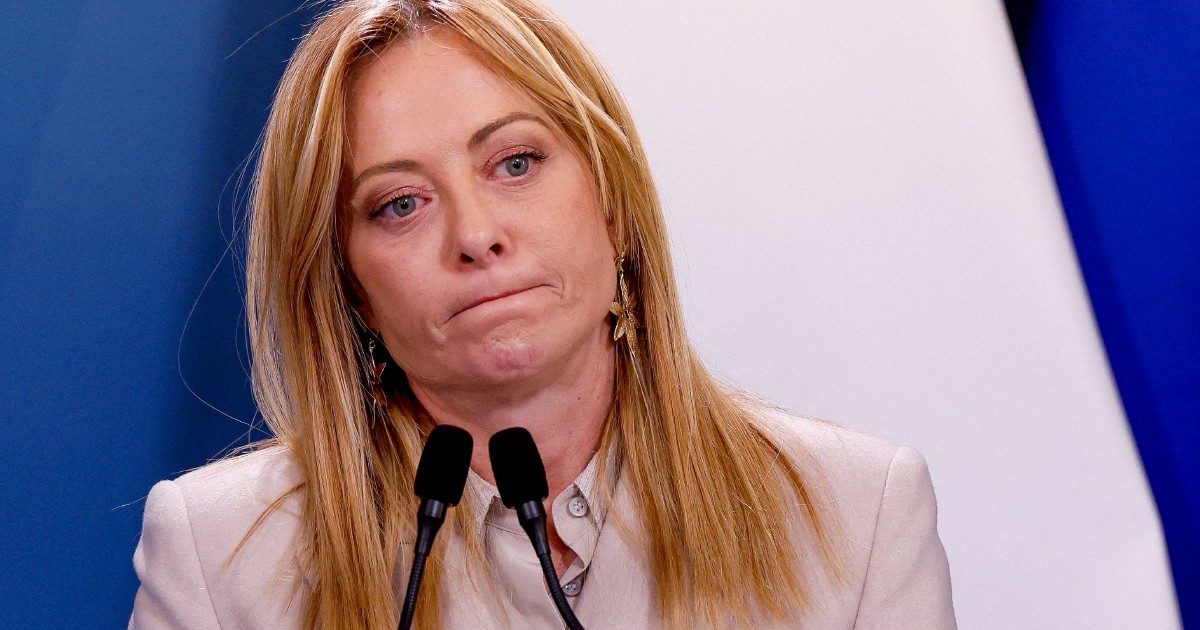
Italian Prime Minister Giorgia Meloni faces a mounting credibility crisis with younger voters that could substantially reshape the country's political landscape when national elections arrive next year. Opinion polling demonstrates a consistent erosion of backing among the under-35 demographic, marking a stark divergence from her party's traditional base and challenging assumptions about her administration's electoral resilience.
The generational divide reflects deeper structural tensions within Italian society. Youth unemployment remains stubbornly elevated compared to European peers, housing affordability has deteriorated sharply, and younger Italians express heightened scepticism about whether current policymaking addresses their material circumstances. Meloni's centre-right coalition, which swept to power in 2022, has struggled to translate broad populist messaging into tangible improvements for a cohort facing precarious employment and delayed life milestones.
Meloni's government originally capitalised on discontent with the establishment parties that had dominated Italian politics for decades. Her anti-immigration platform and nationalist rhetoric resonated broadly across the electorate, including portions of younger voters seeking alternatives to traditional left-right divisions. However, the translation of campaign promises into governing reality has disappointed many who anticipated more decisive action on youth-specific priorities.
The polling deterioration carries particular significance because youth voting patterns increasingly determine electoral outcomes across Europe. While older voters remain more reliably aligned with conservative movements, younger generations demonstrate greater volatility and prove more susceptible to mobilisation by emerging political forces. If Meloni's support among under-35 voters continues declining, competing left-wing and centrist parties may capitalise on accumulated frustration.
Economic pressures constitute the primary driver of disaffection. Italy's structural employment challenges mean many young people cycle through temporary contracts without accumulating savings for home purchases or family formation. Meloni's government has implemented some targeted youth employment initiatives, yet critics contend these measures remain insufficient to address systemic economic dysfunction. The contrast between promises made during the 2022 campaign and actual policy implementation has fuelled perceptions of disconnection from everyday struggles.
For Malaysian and Southeast Asian observers, Italy's generational political crisis offers instructive parallels. Across the region, young voters similarly express frustration with economic opportunities, housing affordability, and climate policy inadequacy. Malaysia's own political environment has experienced substantial realignment driven partly by youth dissatisfaction with established parties. The Italian case demonstrates how initially successful populist movements can fracture when governance fails to deliver improvements on youth-focused metrics.
Meloni's coalition partners present additional complications. The far-right League party and the centrist Forza Italia faction each pursue distinct electoral strategies, with implications for how the government addresses youth concerns. Disagreements over taxation, labour market flexibility, and immigration policy reflect broader coalition tensions that complicate coherent messaging to younger voters. When junior coalition partners compete for distinct voter segments, prime ministerial initiatives often lack sufficient resources and political will for comprehensive implementation.
The timing of these trends presents acute electoral risks. National elections scheduled for next year will occur after voters have experienced another year of government policy in practice. If current economic conditions persist and youth disaffection continues crystallising into opposition voting patterns, Meloni's party could see substantially reduced parliamentary representation compared to 2022. Conversely, pro-European centrist and left-wing parties may recover ground among younger demographics disillusioned with nationalist alternatives.
Media consumption patterns amplify generational political divides in contemporary Italy. Younger voters rely heavily on social media and digital platforms for political information, whereas Meloni's traditional media advantage operates through television and established outlets. This divergence complicates her ability to communicate directly with sceptical younger voters through channels they actively engage with. Opposition parties, particularly the centre-left Democratic Party, have demonstrated greater sophistication in digital campaigning.
International dimensions compound domestic challenges. European Union climate regulations and social policies prioritise goals that younger Italians increasingly prioritise, yet Meloni's government maintains a more sceptical posture towards Brussels authorities. This tension resonates particularly among urban younger voters whose environmental concerns and international outlook diverge from Meloni's traditional base of rural and small-town supporters. The gulf between youth values and government priorities widens rather than narrows as EU policy frameworks emphasise climate transition.
Looking toward electoral contests next year, Meloni's administration faces a fundamental choice: substantially accelerate youth-focused policymaking while accepting coalition political costs, or maintain current trajectories and risk further erosion among a demographic that increasingly shapes electoral outcomes. Italian history demonstrates that governing coalitions can tolerate moderate youth disaffection, yet sustained deterioration eventually translates into parliamentary setbacks. Whether Meloni's government can reverse these trends through policy innovation or targeted messaging remains the defining question of her administration's medium-term viability.

