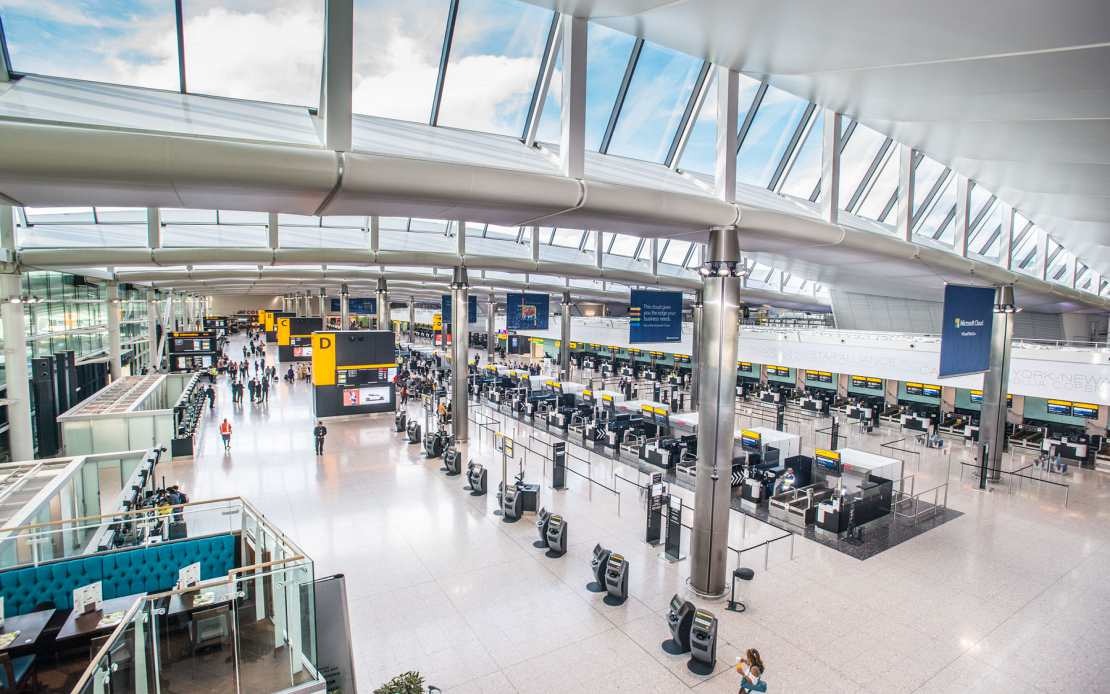
London's Heathrow Airport has lost its long-held crown as Europe's busiest aviation hub to Istanbul, a shift that underscores the continent's evolving travel patterns and geopolitical challenges. Last month, Istanbul processed 8.15 million passengers across its terminals, edging past Heathrow's 7.86 million travellers in what marks a significant reversal for the British airport. The loss prompted Heathrow to renew its case for expansion, declaring that "the case for expansion has never been clearer" as it seeks approval from UK authorities to construct a controversial third runway.
Heathrow's dominance in European aviation was a defining feature for nearly a quarter-century. Data from the Airports Council International shows the London airport maintained its position as the continent's busiest from 1996 through 2019, a streak interrupted only briefly by pandemic-related disruptions in 2020. The airport rebounded to reclaim the title in 2023 and held it until last month's loss to Istanbul, signalling a potential shift in Europe's aviation landscape that carries implications for international business travel and connectivity patterns affecting Southeast Asian travellers.
The month-on-month comparison reveals contrasting trajectories for the two hubs. Heathrow experienced a modest 1.5 per cent passenger decline from July of the previous year, whilst Istanbul recorded a robust 2.3 per cent increase over the same period. These figures suggest diverging market conditions and competitive pressures facing each airport. The performance gap, though narrow in absolute terms, reflects broader transportation shifts that could reshape European travel networks in coming years, particularly affecting connections to Asia-Pacific regions.
Geopolitical tensions have contributed meaningfully to Heathrow's recent passenger traffic challenges. The escalating United States-Iran conflict directly impacted airline operations and traveller behaviour, with passenger numbers on West Asian routes dropping sharply by 20.2 per cent year-on-year during July. This decline reveals how international tensions immediately cascade through aviation networks, disrupting the connectivity that major hubs depend upon. For Malaysian and Southeast Asian passengers, such disruptions affect routing options, pricing structures, and the availability of direct connections through these critical European gateways.
Despite its current capacity constraints, Heathrow continues operating both of its existing runways near maximum utilisation. The airport's owners have submitted an ambitious expansion proposal that would enable the facility to accommodate 150 million passengers annually, addressing what they characterise as critical infrastructure gaps limiting Britain's competitive position. This proposal carries significant weight within broader UK economic strategy discussions, as aviation capacity directly influences the country's attractiveness as an international business and tourism destination. The expansion project has become entangled with domestic political considerations and regional equity concerns, complicating approval pathways.
Transport Secretary Heidi Alexander initiated a formal consultation on Heathrow's expansion proposal in June, establishing a structured review process for the project's viability. The consultation encompasses the renamed Heathrow expansion national policy statement and specifies conditions that would need satisfying before approval becomes possible. Previous Chancellor Rachel Reeves expressed strong commitment to advancing the project, stating determination to have "spades in the ground" for the third runway during the current parliamentary term, with completion targeted for 2035. However, this timeline faces potential political headwinds from leadership expressing regional development concerns.
Prime Minister Andy Burnham's previous statements regarding Heathrow expansion reveal significant internal political divisions. Burnham, who recently dismissed Reeves from her chancellor position, had earlier criticised the expansion plans as diverting crucial infrastructure investment "away from the North and traps it in London." This tension reflects ongoing British political debates about geographic equity and resource allocation between London and provincial regions. Such domestic political friction could substantially delay or modify the expansion project, regardless of Heathrow's operational justifications.
Heathrow highlighted July 19 as its busiest single day of the year to date, with 267,000 passengers recorded as schools commenced summer holidays. The airport also noted the arrival of several new carriers during the month, including ITA Airways from Italy, Alaska Airlines from the United States, and Riyadh Air from Saudi Arabia. These new routes represent airlines' continued confidence in Heathrow's strategic importance despite capacity limitations, suggesting demand for additional access to the airport substantially exceeds current supply. The route expansion demonstrates that competitive pressure and business opportunity continue attracting carriers to Europe's traditionally dominant aviation hub.
Heathrow Chief Executive Thomas Woldbye characterised the summer season as progressing favourably but emphasised ambitions to expand further through growing the route network and enhancing passenger services. Woldbye positioned runway expansion as essential for maintaining the UK's position as home to Europe's premier aviation hub whilst sustaining the "trade, investment, and tourism that increased connectivity will bring." This framing connects airport infrastructure directly to economic competitiveness and national prosperity, a persuasive argument for policymakers weighing long-term versus near-term considerations.
The competition between Istanbul and Heathrow reflects broader shifts in European and global aviation patterns. Istanbul's rising prominence as a transit hub positions Turkey as an increasingly important regional player in international connectivity, particularly for routes between Europe and Asia. For Malaysian and Southeast Asian markets, this development carries strategic implications. Istanbul's growth could alter routing patterns, pricing competition, and service quality across the Europe-Asia corridor, potentially offering alternative connection points and increased competitive pressure on established hubs. The outcome of Heathrow's expansion bid will significantly influence whether London maintains its traditional role as Europe's primary gateway for Asian travellers or whether the continent's aviation architecture becomes more distributed amongst competing hubs.
The expansion question ultimately reflects broader questions about infrastructure investment, economic policy, and competitive positioning in an increasingly contested global aviation market. Whether British authorities approve Heathrow's third runway will signal whether the UK commits to maintaining its aviation dominance or accepts a diminished role. For regional carriers and travellers, the outcome determines routing economics and connection availability for years to come.

