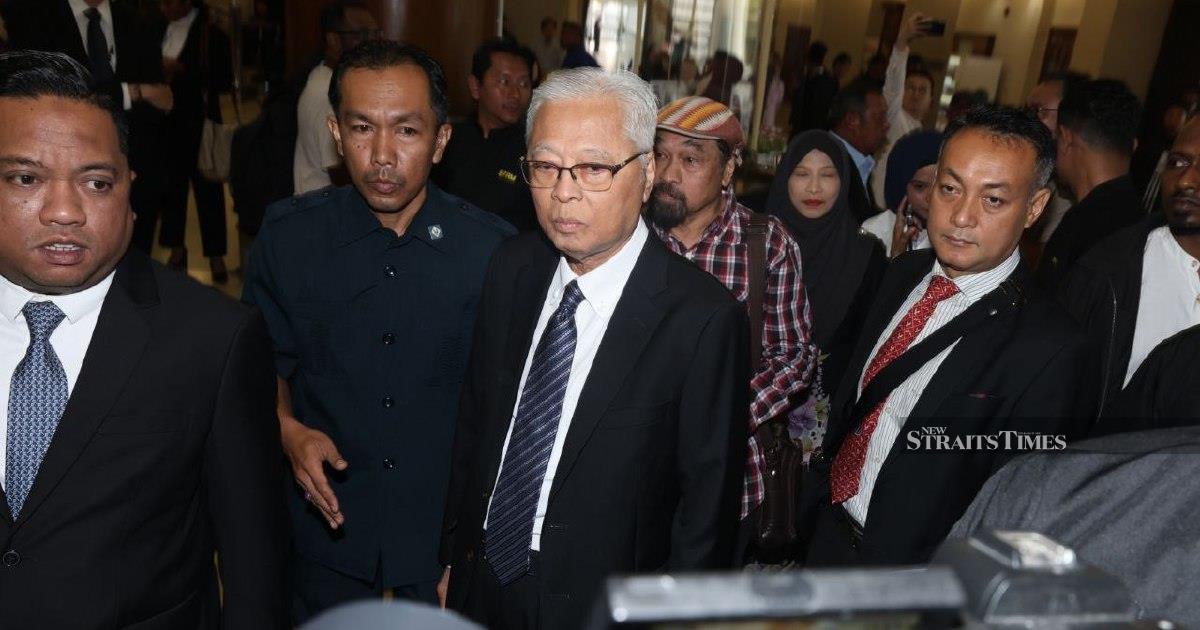
Former Prime Minister Datuk Seri Ismail Sabri Yaakob has walked free from the court complex following the posting of a RM300,000 bail by his son, concluding his appearance before the judiciary on the latest development in his ongoing legal situation.
The bail arrangement, facilitated through his family member, enables the ex-premier to remain at liberty pending further court proceedings. The RM300,000 figure represents a significant financial commitment from the Yaakob family, reflecting the gravity of the matters before the court.
Ismail Sabri's court appearance and subsequent release have once again thrust the former political leader into the public spotlight, continuing a pattern that has characterised his tenure since stepping down from the premiership. The bail conditions now governing his status will determine his obligations and movements during this period.
The posting of bail by a family member rather than through other arrangements underscores the personal nature of the proceedings and the support structure surrounding the ex-premier during this challenging phase. Such family involvement in bail arrangements is not uncommon in high-profile cases, though it frequently attracts public scrutiny and media attention.
For Malaysian observers following developments at the highest levels of political and legal circles, Ismail Sabri's court attendance signals the continued operation of the judicial system in relation to senior figures in the country's governance structures. The transparency of such proceedings, from bail posting to court appearances, remains a point of interest for those monitoring how the nation's legal framework handles cases involving former heads of government.
The RM300,000 bail quantum suggests that the court considered factors relating to flight risk, the seriousness of the charges or matters under investigation, and the defendant's ties to the community. Bail-setting decisions in prominent cases are typically calibrated to balance the presumption of innocence with public confidence in the judicial process.
Ismail Sabri's exit from the court complex after posting bail represents a momentary pause in what appears to be an extended judicial proceeding. The former premier, who held office from 2021 to 2022, has previously appeared in court on various matters, establishing a pattern that observers have monitored closely.
The involvement of his son in posting the bail demonstrates how such proceedings ripple through family structures, particularly in cases involving prominent political personalities. This broader context adds layers of complexity to what might otherwise appear as a straightforward bail arrangement.
From a regional perspective, the handling of high-profile political figures through Malaysia's courts offers a case study in how Southeast Asian democracies navigate the intersection between political leadership and legal accountability. The judiciary's independent functioning in these matters contributes to broader discussions about institutional strength and rule of law.
As Ismail Sabri now operates under the conditions set by his bail release, future court dates will likely determine the trajectory of these proceedings. The Malaysian public and international observers will continue monitoring how the legal system addresses matters involving former senior officials, with implications for understanding the country's governance standards.
The RM300,000 bail condition also carries implications for Ismail Sabri's political future and his ability to participate in public life during this period. Depending on the nature of the proceedings and any additional conditions imposed, his movements and activities may be subject to restrictions that affect his role in political discourse.
This latest development in the former premier's legal journey underscores the ongoing evolution of accountability mechanisms in Malaysian politics. How these cases conclude will likely establish precedents influencing how future proceedings involving political leadership are managed within the country's judicial system.

