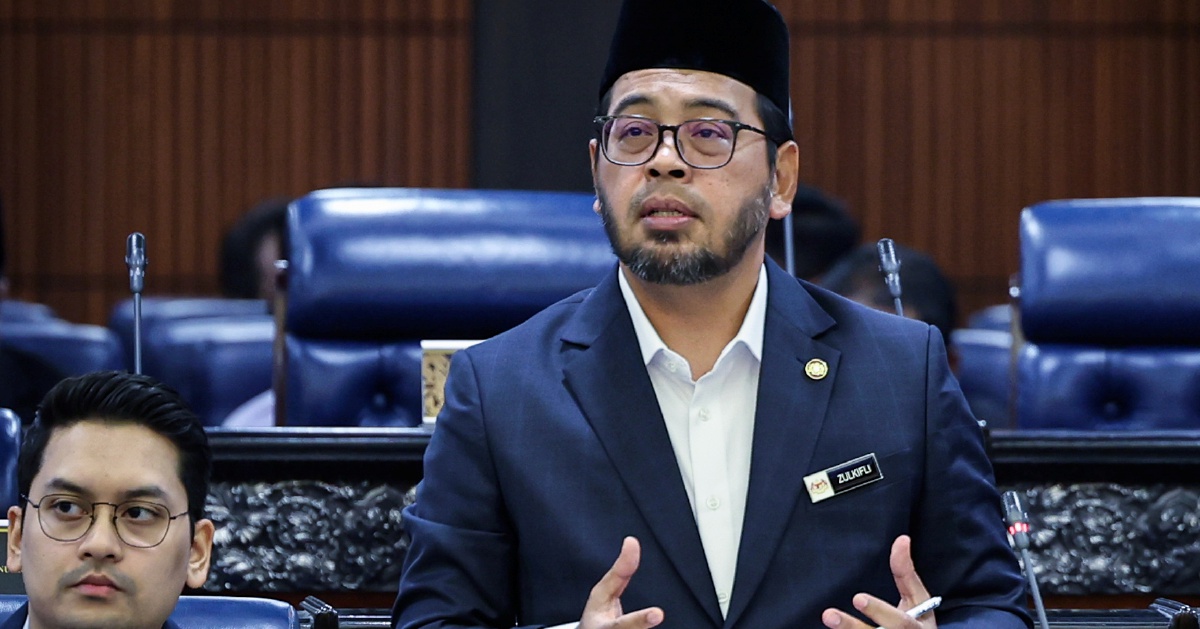
Former Prime Minister Datuk Seri Ismail Sabri Yaakob must publicly account for the prolonged withholding of a Royal Commission of Inquiry report examining Lembaga Tabung Haji, according to mounting political pressure in the nation's capital. The inquiry document, which probed the operations and governance of the Islamic pilgrimage savings institution, remained classified for almost four years—a duration that has drawn sharp scrutiny from lawmakers and observers questioning the reasoning behind such an extended delay.
The Lembaga Tabung Haji, commonly known as TH, holds enormous significance within Malaysian society as the primary mechanism through which millions of Muslim citizens accumulate savings specifically earmarked for the Hajj pilgrimage to Saudi Arabia. The institution manages substantial financial assets and oversees the spiritual aspirations of countless Malaysians. When governance concerns necessitate a formal royal commission investigation, the conclusions and recommendations typically carry consequential implications for the savings and religious obligations of millions of account holders.
The timing of the report's continued secrecy under Ismail Sabri's administration raises fundamental questions about governmental transparency and accountability in Malaysia's institutional oversight framework. The four-year gap between the commission's completion of its work and the eventual disclosure of findings suggests either significant internal deliberation about the report's contents, reluctance to address potentially damaging conclusions, or administrative inertia. Each possibility carries distinct implications for how Malaysians should evaluate decisions made during that administration regarding critical financial institutions.
Transparency advocates argue that delaying the release of such investigative reports to the public undermines democratic principles and prevents stakeholders—particularly the millions holding savings accounts with TH—from accessing information that directly affects their financial interests. The delay also potentially obstructed informed public discourse about necessary reforms within the institution during a period when corrective action might have been implemented more readily. Citizens who contribute regularly to their TH accounts warrant timely access to findings concerning how their accumulated wealth is managed.
The selective release or prolonged withholding of government reports represents a recurring tension point in Malaysian governance. While some classified information requires protection for legitimate security or privacy reasons, reports from investigative commissions examining public institutions typically serve the public interest when disclosed promptly. The four-year concealment of the Tabung Haji RCI report sits uneasily within frameworks claiming commitment to greater governmental openness and institutional reform.
Former Prime Minister Ismail Sabri's administration faced its own pressures and competing priorities during its tenure from August 2021 to August 2023. Yet the extended non-disclosure of a completed inquiry report represents a specific administrative choice that merits explicit justification. Whether the delay reflected deliberate suppression, bureaucratic procedural delays, or substantive concerns about the report's recommendations and their implementation feasibility remains officially unexplained.
The emergence of this accountability demand reflects broader Malaysian patterns where institutional decisions made during previous administrations come under renewed scrutiny as political circumstances shift. New governments frequently revisit predecessor policies and records, selectively releasing previously withheld documents or initiating fresh investigations. The Tabung Haji RCI report's eventually surfacing exemplifies how informational transparency becomes entangled with political transitions and shifting institutional priorities.
Tabung Haji's central position in Malaysian Muslim financial life ensures that governance questions carry weight beyond routine bureaucratic concerns. The institution manages not merely investment portfolios but the sacred aspirations and financial security of pilgrims. Inquiries examining its operational integrity therefore demand transparent communication about findings and remedial measures. Withholding such reports from public knowledge for extended periods necessarily generates questions about whether institutional problems were being deliberately obscured from stakeholders.
The call for Ismail Sabri to explain the report's four-year concealment connects to broader regional discussions about institutional accountability and information access in Southeast Asian democracies. Malaysia's experience with delayed disclosure of sensitive governmental reports provides instructive lessons about balancing legitimate confidentiality concerns against public interest demands. As regional nations strengthen commitments to transparency and anti-corruption frameworks, accountability for reporting delays themselves becomes increasingly significant.
Moving forward, the Tabung Haji situation underscores the necessity for clearer governmental protocols governing the disclosure timelines for completed investigative reports. Establishing standardized procedures for releasing Royal Commission of Inquiry findings—perhaps with defined disclosure windows and transparent explanation requirements when delays occur—would help prevent future institutional opacity. Malaysian policymakers might productively examine how comparable democracies manage such disclosures while protecting legitimate confidentiality interests.
The pressure on Ismail Sabri reflects democratic accountability mechanisms functioning through parliamentary scrutiny and public discourse, even retrospectively examining decisions from previous administrations. While former leaders cannot be endlessly rehashed for every administrative decision, transparency regarding withheld reports examining major public institutions merits clarification. Clear explanations about the reasoning behind extended non-disclosure would serve broader public understanding of institutional decision-making during his administration and contribute to evolving norms around governmental information management in Malaysia.

