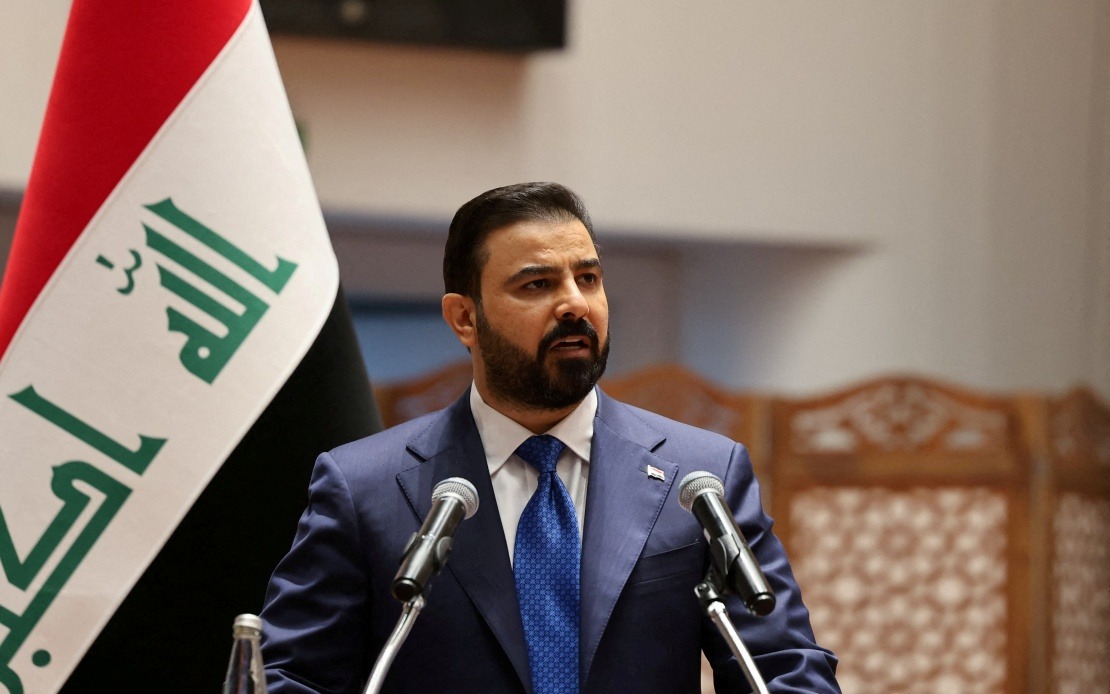
Iraq's commitment to the Organization of the Petroleum Exporting Countries remains firm despite mounting pressures within the global energy market. Prime Minister Ali Al-Zaidi made this position unequivocally clear during a Thursday broadcast on Al-Hadath, stating that Iraq views its continued membership as strategically essential whilst simultaneously demanding recognition through more favourable production terms.
The declaration arrives at a pivotal moment for Iraq's energy sector, which has long grappled with balancing its substantial oil reserves—among the world's largest—against the constraints imposed by multilateral cartel agreements. Al-Zaidi's emphasis on maintaining OPEC membership signals Iraq's preference for negotiating within existing frameworks rather than pursuing independent action, a stance that reflects both pragmatic considerations regarding market influence and the geopolitical complexities surrounding Middle Eastern petroleum politics.
Iraq's position within OPEC has historically been complicated. The nation possesses proven reserves exceeding 140 billion barrels, yet production quotas have frequently failed to align with these natural endowments. This disparity has generated persistent frustration within Baghdad's political and industrial circles, creating pressure on successive administrations to challenge existing arrangements. Al-Zaidi's recent statements suggest the current government intends to pursue systemic reform from within rather than abandon the organization entirely.
Recent OPEC decisions illustrate the ongoing reassessment of member allocations. In early June, the cartel authorized production increases for multiple nations: Kuwait received approval to boost output by 16,000 barrels per day, reaching 2.66 million bpd; Oman secured an increase of 5,000 bpd to 836,000 bpd; and Iraq obtained authorization to expand production by 26,000 bpd to 4.405 million bpd. While Iraq's increase appears numerically substantial, Baghdad's representatives have indicated that even this adjustment remains insufficient relative to the country's extraction capacity and economic requirements.
The broader context involves OPEC+'s ongoing capacity assessments across member states. Iraq's Oil Ministry spokesman Salim Al-Ruqabi disclosed in June that the organization had commenced comprehensive evaluations of Iraq's petroleum production infrastructure. These technical reviews ostensibly aim to establish baselines for future quota determinations, potentially opening pathways for additional adjustments if assessments support Iraqi claims regarding underutilized capacity.
For Malaysian and Southeast Asian observers, Iraq's strategic positioning carries significant implications. Regional energy security depends substantially on stable, predictable petroleum supplies from the Middle East. Should Iraq pursue confrontational tactics within OPEC or alternatively withdraw entirely, global oil market volatility would likely increase, affecting regional economies dependent on energy imports. Malaysia's petrochemical industries and energy-intensive manufacturing sectors would face price pressures, whilst transportation and utilities costs could rise across the region.
Iraq's recent history demonstrates the stakes involved in quota disputes. Previous Iraqi administrations have occasionally threatened OPEC departure, particularly when feeling marginalized or when production restrictions conflicted with immediate fiscal needs. However, withdrawal carries substantial diplomatic costs and reduces leverage within global petroleum governance. Al-Zaidi's renewed commitment to OPEC membership, paired with explicit demands for equitable treatment, represents a calculated approach designed to maintain institutional influence whilst registering Baghdad's dissatisfaction with current arrangements.
The underlying technical assessments referenced by the Oil Ministry merit closer attention. If OPEC's capacity reviews confirm Iraq's claims regarding significant unused production potential, the findings could justify substantially higher quotas in future negotiations. Conversely, should assessments reveal technical limitations or infrastructure constraints, Iraq's negotiating position would weaken. These evaluations thus represent critical moments where technical expertise becomes inseparable from economic and political outcomes.
Iraq's economic circumstances intensify pressure for expanded oil revenues. Reconstruction following conflict, population growth, and infrastructure investment demands create persistent budgetary pressures that depend heavily on petroleum exports. Al-Zaidi's administration faces domestic constituencies expecting tangible economic improvements, making quota expansion not merely a technical matter but a political imperative. Maintaining OPEC membership while simultaneously advocating for higher allocations reflects attempts to satisfy these competing pressures.
The international energy market currently exhibits relative equilibrium, with crude prices fluctuating within manageable ranges. However, this stability remains contingent on cartel discipline and member compliance with agreed quotas. Should Iraq successfully negotiate substantially higher production allowances, or conversely, should frustrations culminate in unilateral action outside OPEC frameworks, petroleum markets could experience significant disruption. Regional crude benchmarks including Brent and WTI would face renewed pressure, affecting pricing calculations across Asia-Pacific markets.
Looking forward, Iraq's negotiating strategy appears designed to maximize leverage through constructive engagement. By affirming OPEC loyalty whilst persistently challenging allocation formulas, Baghdad seeks to position itself as a committed member deserving enhanced consideration rather than a troublesome actor threatening institutional stability. This approach acknowledges that within OPEC's consensus-based decision-making structures, confrontation typically yields fewer tangible benefits than persistent, diplomatically grounded advocacy.
The broader implications extend beyond petroleum economics. Iraq's positioning within OPEC reflects broader questions concerning how national interests navigate multilateral institutional frameworks. For energy-dependent Southeast Asian nations, Iraq's experience offers instructive lessons regarding the importance of maintaining institutional relationships even whilst pursuing internal reform. Ultimately, Al-Zaidi's statements represent not resignation to current quota constraints but rather a commitment to achieving more equitable arrangements through continued organizational membership and sustained diplomatic pressure.

