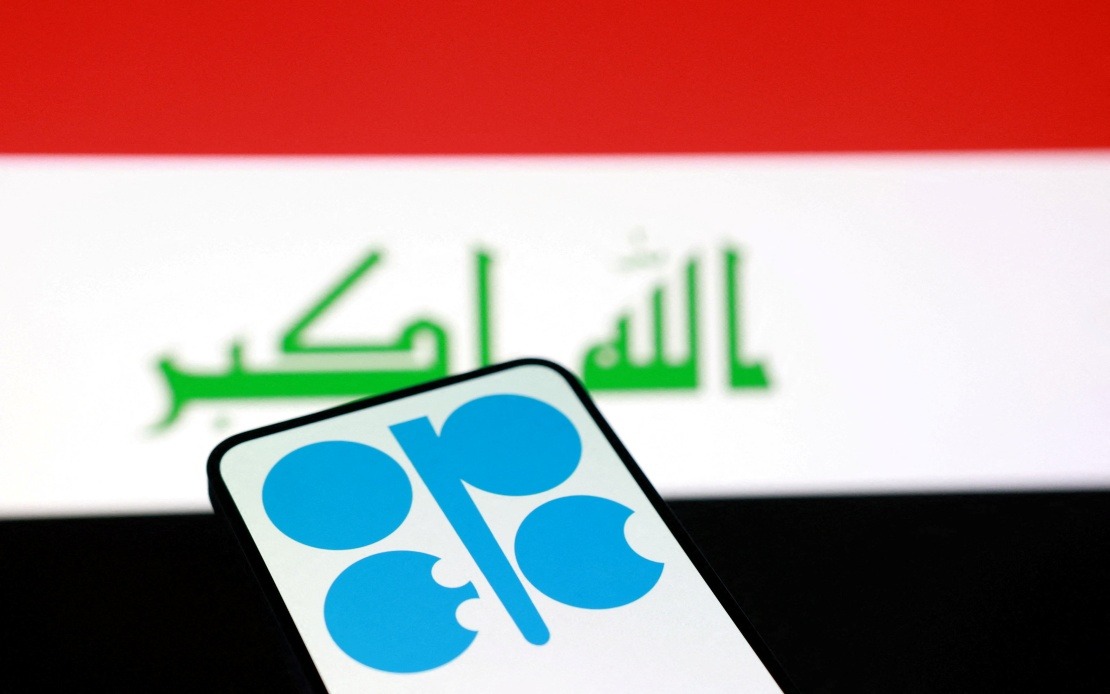
Iraq's government moved quickly to tamp down speculation about a potential rupture with OPEC, issuing a formal denial after international media outlets reported that Baghdad could reconsider its membership if production quotas were not adjusted upward. The Oil Ministry statement underscored that neither Prime Minister nor government officials had raised the prospect of withdrawal, positioning the controversy as a mischaracterization of Iraq's negotiating stance within the cartel's framework.
The clarification came after Bloomberg cited Oil Ministry spokesman Salim Al-Rikabi as saying Iraq could eventually reconsider OPEC membership if output restrictions remained static. Al-Rikabi's comments, while carefully worded to preserve OPEC solidarity, nonetheless reflected Baghdad's frustration with production caps that the ministry contends do not reflect the country's technical pumping capacity or legitimate development needs. Iraq maintains commitment to OPEC's mechanisms while signaling that the organization must address member grievances through structured processes.
Iraq's underlying position reflects a fundamental tension within the 13-member cartel. The country has consistently advocated that production ceilings should be recalibrated to match each member state's maximum sustainable capacity rather than serving as arbitrary constraints. For Iraq specifically, this argument carries particular weight given the nation's history of conflict, international sanctions, and infrastructure deterioration that have severely limited output despite vast proven reserves. Baghdad views quota adjustments not as demands for special treatment but as recognition of technical reality and fairness among members with different circumstances.
The oil ministry emphasized that OPEC and affiliated producers have already responded to these concerns by commissioning an independent technical review of each member's maximum sustainable production capacity. This assessment, conducted in partnership with international consulting experts and with active Iraqi participation, is designed to generate objective data that can inform production targets extending to 2027. The approach allows both Iraq and OPEC to frame quota discussions as technical exercises rooted in engineering capacity rather than political negotiation, potentially defusing tensions.
Simultaneously, OPEC+ has committed to phasing out voluntary production cuts that were implemented during the global energy downturn. This gradual restoration of supply capacity is scheduled to accelerate over coming months, which Baghdad views as a pathway to naturally expanding Iraq's output allocation without explicit quota increases. The strategy reflects a broader OPEC+ pivot toward normalizing production as oil demand strengthens and geopolitical risk premiums ease from global prices.
Iraq's negotiating position hinges on demonstrating that its request for higher quotas stems from genuine productive capacity rather than commercial ambition. The ministry highlighted how four decades of warfare, international embargoes, terrorist attacks on oil infrastructure, and investment shortfalls have constrained output far below potential. This framing appeals to OPEC's sense of solidarity while establishing that Iraq's demands serve to correct historical injustices rather than to disrupt cartel discipline. The argument carries credibility given Iraq's documented infrastructure challenges and the tangible security threats that persist in southern oil regions.
Restoring Iraq to its historical position as OPEC's second-largest producer represents both an economic imperative and a strategic objective for Baghdad. Production capacity improvements would generate substantial government revenue essential for reconstruction, public services, and economic stabilization in a nation still recovering from prolonged conflict. Higher output also translates into increased geopolitical influence within OPEC, allowing Iraq to shape regional energy policy and strengthen relationships with major oil importers dependent on its supplies.
For OPEC member states and the broader energy market, Iraq's position signals ongoing internal pressures within the cartel structure. Several members have accumulated grievances over quota allocations that they view as inequitable or outdated. Iraq's measured but firm stance establishes a precedent for quota renegotiation discussions, potentially encouraging other members to advance similar claims. This dynamic could prompt OPEC to adopt more systematic technical frameworks for production allocation to reduce politicization.
The timing of this dispute coincides with critical decisions about OPEC's long-term output strategy in an era of energy transition and decarbonization. As some OPEC members advance plans to diversify economies away from oil dependence, tensions over production quotas may intensify. Iraq, whose economy remains heavily reliant on petroleum revenues and whose reconstruction needs are acute, has less incentive to accept restrictive quotas than members with more diversified revenue bases.
For Malaysia and other Southeast Asian energy consumers, Iraq's negotiating stance carries implications for global oil supply stability and pricing. Increased Iraqi production could ease global supply constraints and potentially moderate prices, benefiting regional importers. However, unresolved tensions within OPEC could create unpredictability in output decisions, introducing volatility into energy markets that Southeast Asian economies depend upon for industrial competitiveness and energy security.
The technical review process now underway represents Iraq's preferred pathway for quota adjustment—one grounded in objective capacity assessment rather than political leverage. Success in this approach could establish a replicable model for OPEC's future governance, potentially reducing the influence of personalities and political maneuvering. Iraq's insistence on transparency and technical rigor suggests sophisticated institutional thinking about how to advance national interests while preserving OPEC's collective credibility.

