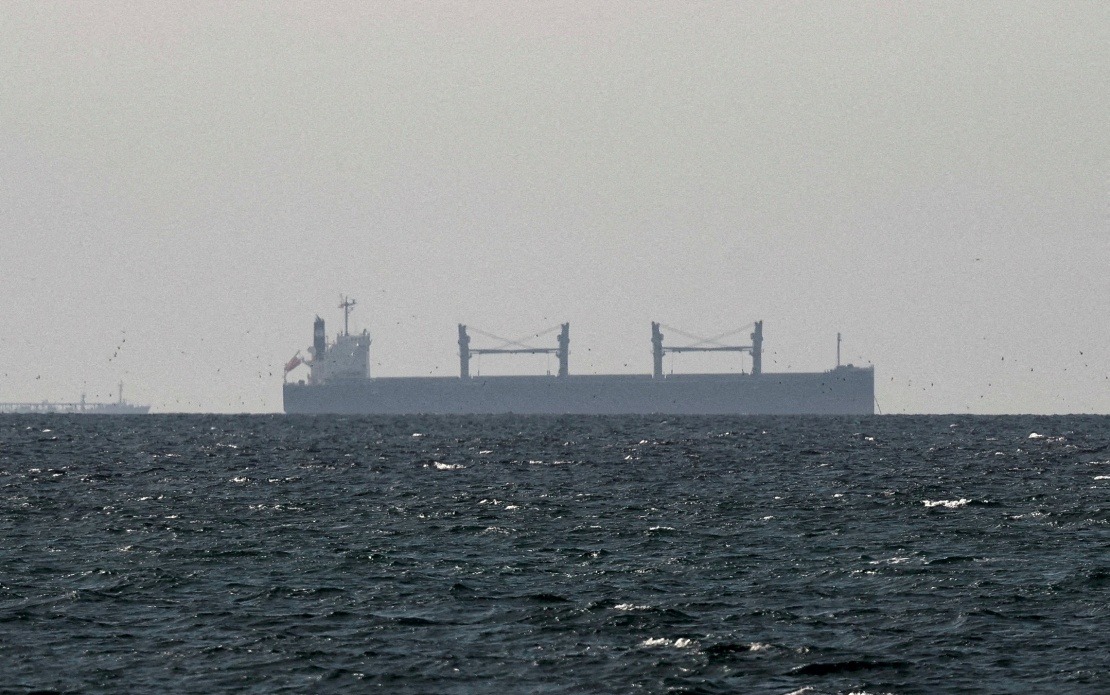
Tensions in one of the world's most strategically vital maritime corridors intensified on Friday when Iran's Islamic Revolutionary Guard Corps alleged that two oil tankers had been damaged after encountering mines in the southern Strait of Hormuz. The IRGC Navy issued a statement through Iran's Fars News Agency accusing external actors of encouraging vessel movements into the contested waterway and claimed responsibility for maintaining control over the passage through military operations.
The announcement carries significant implications for global energy markets and regional stability. The Strait of Hormuz functions as the primary chokepoint linking the Persian Gulf to the Arabian Sea and Indian Ocean, with roughly one-third of the world's seaborne petroleum trade transiting through its narrow passages. Any disruption to shipping lanes in this region reverberates across international oil markets and threatens the energy security of nations dependent on Middle Eastern crude and liquefied natural gas supplies, including several Southeast Asian economies.
The IRGC's statement lacked specifics that would normally accompany such an incident. The Guard did not identify which tankers were involved, provide information about crew members or potential casualties, or disclose the vessels' flags or ownership details. This absence of verifiable information makes independent assessment of the claims difficult, and no international maritime authorities or shipping organisations have confirmed the reported explosions or fires as of the time of reporting.
In its warning to commercial shipping, the IRGC characterised the Strait of Hormuz as "extremely unsafe" and "completely closed," declaring that regional oil, gas, and chemical fertiliser exports would remain blocked until what it termed US military operations in the area ceased. This framing suggests the incident is part of a broader pattern of assertions regarding Iranian control over the waterway and reflects the heightened stakes involved in the ongoing confrontation. The military authority explicitly urged all commercial vessels to avoid the region, warning of potential damage and loss of life for ships attempting passage.
The context for this claim involves a significant recent diplomatic development that appears to have had limited impact on actual military posturing. Just weeks prior to the Strait of Hormuz incident, Pakistan brokered a memorandum of understanding between the United States and Iran aimed at ending conflict and establishing a lasting peace settlement. However, the alleged tanker incident demonstrates that despite this diplomatic framework, both parties continue engaging in confrontational actions and counter-accusations that undermine confidence-building efforts.
The allegation that US intelligence agencies encouraged the tankers to enter the problematic area represents a rhetorical escalation, attributing agency to Washington for the vessels' movements. Such framing serves multiple purposes within Iranian strategic communication: it emphasises perceived US hostility, suggests foreign powers are deliberately creating incidents, and positions Iran as reacting defensively to external provocation rather than initiating confrontation. These narratives play into broader regional and domestic audiences with different interpretative frames.
For Malaysian and Southeast Asian observers, the situation warrants close attention due to direct economic ramifications. Several ASEAN nations, including Malaysia, Singapore, and Thailand, maintain significant interests in Middle Eastern energy supplies and possess substantial maritime trade passing through Indian Ocean routes that depend on Strait of Hormuz transits. Disruptions to shipping or escalating tensions could elevate freight insurance costs, complicate energy procurement strategies, and create broader supply chain vulnerabilities affecting regional economies.
The Strait of Hormuz remains one of the world's most congested maritime passages, handling approximately 21 per cent of global petroleum traded by sea. Beyond crude oil, the waterway accommodates substantial volumes of liquefied natural gas and other critical commodities. Any genuine closure or sustained restrictions would create immediate pressures on global energy markets, likely translating into price increases that affect fuel costs, electricity generation, and broader inflation across importing economies throughout Asia.
Previous incidents in the Strait of Hormuz have generated considerable uncertainty even when details remained disputed. The pattern of allegations and counter-allegations between Iranian and American forces has created an environment of heightened vigilance among international shipping companies, insurance brokers, and energy traders. This psychological dimension of the conflict—where uncertainty itself becomes destabilising—can drive market reactions and influence shipping decisions independent of whether claimed incidents definitively occurred.
The lack of independent confirmation for the current IRGC claims underscores the broader credibility challenges facing all parties in the dispute. When neither international maritime authorities nor independent observers can verify reported incidents, the information vacuum fills with speculation, rival narratives, and market-moving uncertainty. Shipping companies and energy traders must make decisions about route selection, insurance procurement, and cargo movements based on incomplete and contested information, creating inefficiencies that ultimately increase costs throughout global supply chains.
Moving forward, the international community—including Southeast Asian nations with substantial stakes in regional stability—faces a challenge in obtaining reliable, independent assessment of Strait of Hormuz incidents. The absence of transparent investigation mechanisms and the competing claims between adversaries create an environment where misinformation and deliberate distortion can flourish. This underscores the need for enhanced international maritime monitoring, clearer rules of engagement, and more robust diplomatic channels capable of preventing localised incidents from triggering broader escalation spirals that threaten global economic interests.

