Tehran has signalled optimism following high-level diplomatic engagement in Switzerland, where negotiators took what Iranian officials describe as meaningful strides toward resolving long-standing tensions with Washington. The announcement came after four-party talks at Burgenstock, with Foreign Ministry spokesman Esmaeil Baghaei telling media that participants had reached consensus on fundamental groundwork necessary to commence substantive discussions on a comprehensive settlement. The development represents a significant moment in the broader Middle Eastern diplomatic landscape, where Iran and the United States have maintained fractious relations for decades despite periodic attempts at negotiation and reconciliation.
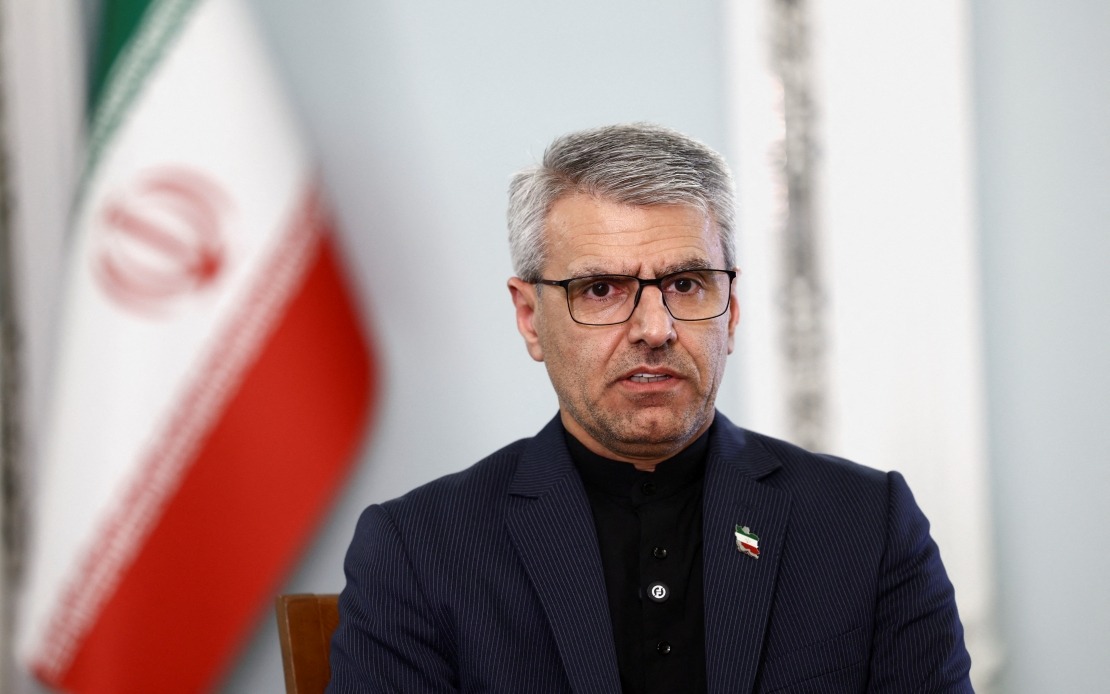
Baghaei's carefully worded statement reflected cautious optimism while stopping short of declaring a breakthrough. He emphasised that the Swiss talks had yielded agreement on procedural mechanisms to launch negotiations—a distinction suggesting that while the parties had cleared preliminary hurdles, actual settlement discussions remained on the horizon rather than underway. His comment that "we hope that in implementation, we will witness seriousness from the other side" underscored lingering uncertainty about Washington's commitment to following through on commitments made during the Switzerland engagement.
A particularly notable outcome involved establishing what diplomats termed a "deconfliction cell," essentially a monitoring body designed to oversee compliance with ceasefire arrangements and prevent hostile escalation, particularly affecting Lebanon. This institutional mechanism reflects recognition among the negotiating parties that previous understandings had foundered partly due to insufficient verification structures and disputes over whether violations had occurred. The creation of such an oversight body, involving mediation from neutral parties, potentially addresses a persistent vulnerability in past diplomatic initiatives between Iran and the United States.
The discussions also touched on matters directly affecting Iran's economic standing and regional influence. Baghaei indicated that negotiators had addressed procedures governing the issuance of licences permitting Iranian petroleum exports, as well as mechanisms for unfreezing or unlocking Iranian assets currently restricted through international sanctions regimes. Both issues carry enormous consequences for Tehran's economic sustainability, given that oil export revenues constitute a cornerstone of the Iranian state budget and that frozen assets represent substantial capital that could finance development projects and government operations.
Another focus of the Switzerland talks involved maritime security arrangements across the Strait of Hormuz, one of global commerce's most strategically vital waterways. The parties reportedly agreed in principle to establish protocols aimed at ensuring unobstructed shipping passage through these waters, a matter affecting not only bilateral Iran-US relations but also international commerce more broadly. For Southeast Asian nations including Malaysia that depend heavily on Middle Eastern petroleum and participate in global shipping networks, any arrangements stabilising the Strait of Hormuz carry direct economic and security implications.
Baghaei indicated that technical working groups would continue developing detailed arrangements addressing the issues negotiators had outlined in Switzerland. This phased approach—moving from high-level political agreement to specialist teams handling implementation specifics—reflects standard diplomatic practice but also allows either side to potentially stall progress or introduce complications through technical objections. The spokesman's reference to "other issues necessary for the effective implementation of this memorandum of understanding" left open the possibility of additional contentious matters not publicly disclosed.
Mediating parties Qatar and Pakistan separately released a joint statement emphasising substantial advancement during the Switzerland summit, which they framed as the inaugural round of top-level talks conducted under the Lake Lucerne framework. The joint statement referenced a roadmap projecting that negotiators could achieve a final peace accord within sixty days—a compressed timeline suggesting either genuine momentum or optimistic posturing intended for domestic and international audiences.
The mediators' statement also referenced a memorandum signed the previous week establishing parameters for ending the US-Israeli conflict that commenced on February 28. This chronological anchoring to that military campaign indicates that the Switzerland talks occurred within a specific geopolitical context where regional hostilities and broader diplomatic engagement proceeded simultaneously, with each potentially influencing the other.
For regional observers including Malaysian policymakers, these developments carry multilayered significance. A stabilised relationship between Iran and the United States could reduce proxy conflicts and sectarian tensions that have destabilised the Middle East, potentially creating a more conducive environment for commerce and development. Conversely, failure to translate Switzerland agreements into concrete settlements could deepen regional polarisation and create unpredictable security environments affecting global supply chains and shipping routes critical to Southeast Asia's economic interests.
The Iranian emphasis on ensuring "seriousness" from American negotiators reflects historical precedent. Previous agreements between the parties—most notably the Joint Comprehensive Plan of Action negotiated during the Obama administration—had foundered when subsequent US administrations withdrew support or imposed additional sanctions. This recurrent pattern of diplomatic engagement followed by reversal has created deep scepticism within Tehran about American reliability as a negotiating partner.
The specificity with which Baghaei outlined potential settlement components—licences for oil sales, unfrozen assets, maritime security arrangements—suggests the negotiators had progressed beyond abstract principles to identifying concrete deliverables that each side might offer the other. This granular approach typically indicates serious diplomatic engagement, though gaps between agreement-in-principle and implementation remain substantial.
The sixty-day timeline proposed by Qatar and Pakistan represents an ambitious schedule for resolving issues that have defied resolution for years. Achieving genuinely binding agreements on nuclear matters, sanctions relief, regional security, and maritime arrangements within two months would require extraordinary diplomatic momentum and the sustained political will of all parties—elements that Middle Eastern diplomacy has historically struggled to maintain.
For Malaysia and other Southeast Asian nations, ongoing developments in Iran-US diplomacy merit careful monitoring. Any reshaping of Middle Eastern geopolitics carries potential consequences for regional stability, energy security, and international commerce. The stakes involved in these Switzerland negotiations extend well beyond the immediate parties, affecting the broader international system within which Southeast Asia operates and prospers.