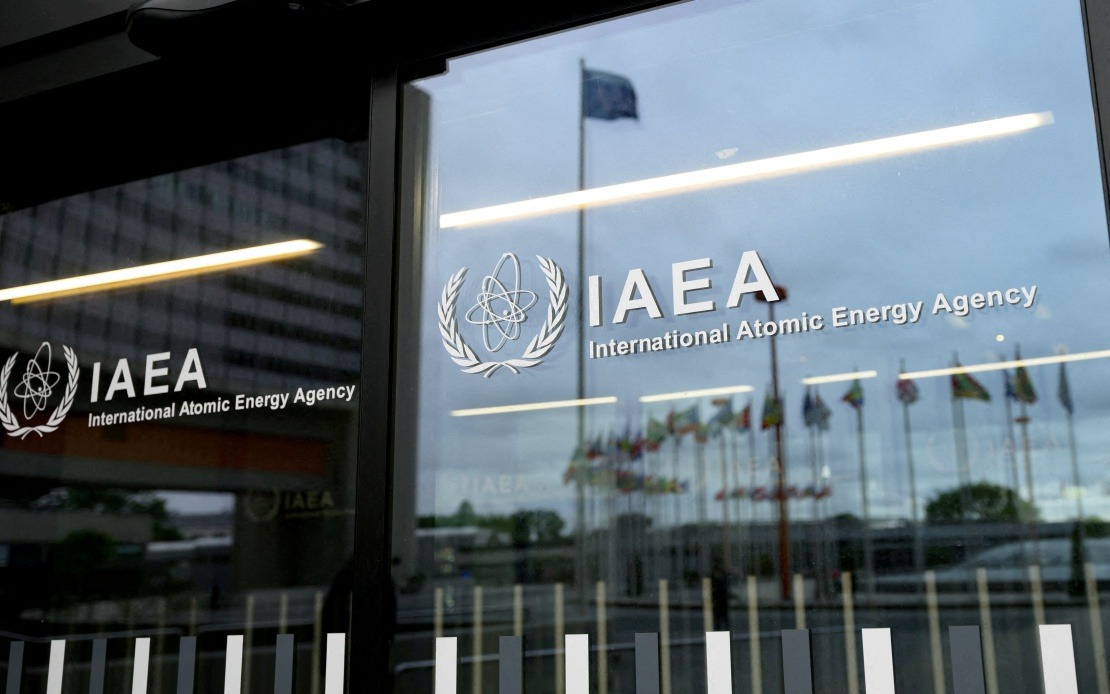
Iran is taking a hardline stance on nuclear transparency by conditioning International Atomic Energy Agency access to its atomic facilities on the successful conclusion of broader negotiations with the United States. Deputy Foreign Minister Kazem Gharibabadi announced on social media this week that inspections at Iran's nuclear sites will not proceed independently but only within the context of a final comprehensive agreement with Washington, and only after the other party demonstrates practical commitment to lifting all economic sanctions.
The position represents a significant negotiating tactic as Iran and the United States embark on intensive talks following a memorandum of understanding signed on June 18 that established a 60-day window for reaching a final accord on Iran's nuclear programme and sanctions relief. Gharibabadi's statement effectively links nuclear compliance and transparency to concrete economic concessions rather than treating them as separate issues, fundamentally reshaping how the two parties might approach verification and oversight during talks.
The Iranian government also refuted claims that its negotiating delegation had recently met with IAEA Director General Rafael Grossi in Switzerland, despite Grossi's earlier request for such discussions. This denial underscores Tehran's determination to limit the agency's role before a political framework is finalized, signalling that Iran views premature technical inspections as circumventing the diplomatic process rather than supporting it. The first round of negotiations between Iran and the United States was conducted in Switzerland over the weekend, with substantive discussions already underway regarding the contours of a potential deal.
The IAEA chief had announced that the agency intended to conduct inspections at Iranian nuclear sites in light of the newly signed peace memorandum, framing such verification activities as routine steps toward rebuilding confidence between the parties. However, Tehran's swift rejection of this proposal suggests the agency may face significant obstacles in accessing certain facilities, particularly those that have suffered damage during recent military operations. The timing of these diplomatic manoeuvres highlights the fragile balance between confidence-building measures and national security concerns that currently define the negotiation landscape.
Iran's three principal nuclear installations—Fordow, Natanz and Isfahan—were subjected to intensive bombardment by United States forces during a military campaign in June 2025. These facilities have remained strategically significant flashpoints throughout the broader regional conflict that intensified following military escalations on February 28 this year. Both American and Israeli military operations have targeted Iranian nuclear and defence infrastructure in recent months, creating physical damage that complicates verification efforts and raises questions about the scope and timeline for any international inspections.
From a Southeast Asian perspective, Iran's negotiating strategy carries broader implications for how regional powers approach nuclear diplomacy and international oversight. Malaysia and other ASEAN nations have long advocated for strengthening the Non-Proliferation Treaty framework and supporting the IAEA's verification mandate. However, the current standoff illustrates the tension between national sovereignty concerns and international transparency mechanisms—a dynamic that resonates across the region where several nations maintain nuclear research programmes or harbour ambitions for civilian atomic energy development.
The conditional approach to IAEA access also reflects Iran's historical mistrust of international inspections, stemming from decades of sanctions and perceived double standards in how the agency has treated different nations' nuclear programmes. By tying inspections to a comprehensive agreement, Tehran seeks to ensure that any verification regime is embedded within a larger political settlement rather than imposed unilaterally. This strategy attempts to shift the balance of power in negotiations by making sanctions relief and security guarantees prerequisites for transparency rather than vice versa.
The 60-day negotiating window established by the memorandum of understanding creates considerable time pressure for both sides to bridge fundamental disagreements. Iran's refusal to permit IAEA inspections before a final deal is concluded suggests that nuclear transparency remains a contentious issue likely to extend into the later phases of negotiations. The sequencing of concessions and verification measures will significantly influence whether the talks ultimately succeed or collapse, making Iran's opening position a critical indicator of its willingness to compromise on key confidence-building mechanisms.
For international observers and regional analysts, the dispute over inspection access reveals the extent to which technical nuclear matters remain enmeshed with broader political calculations. The IAEA's mandate to verify nuclear non-proliferation commitments depends ultimately on the political will of states to cooperate, and Iran's current posture demonstrates how weaponising that cooperation can serve as leverage in diplomatic negotiations. As talks progress, the question of when and how international inspectors gain access to Iranian nuclear sites will likely emerge as one of the central stumbling blocks to finalizing any agreement.
The international community, particularly the European Union and other parties interested in nuclear non-proliferation, faces a delicate balancing act in supporting these negotiations while maintaining pressure on both sides to accept robust verification mechanisms. Iran's intransigence on pre-agreement inspections may harden the position of sceptical parties who already doubt Tehran's commitment to transparency. Conversely, any attempt to force inspections before political agreements are reached risks providing Iran with justification for withdrawing from talks altogether, further complicating an already intricate diplomatic puzzle.

