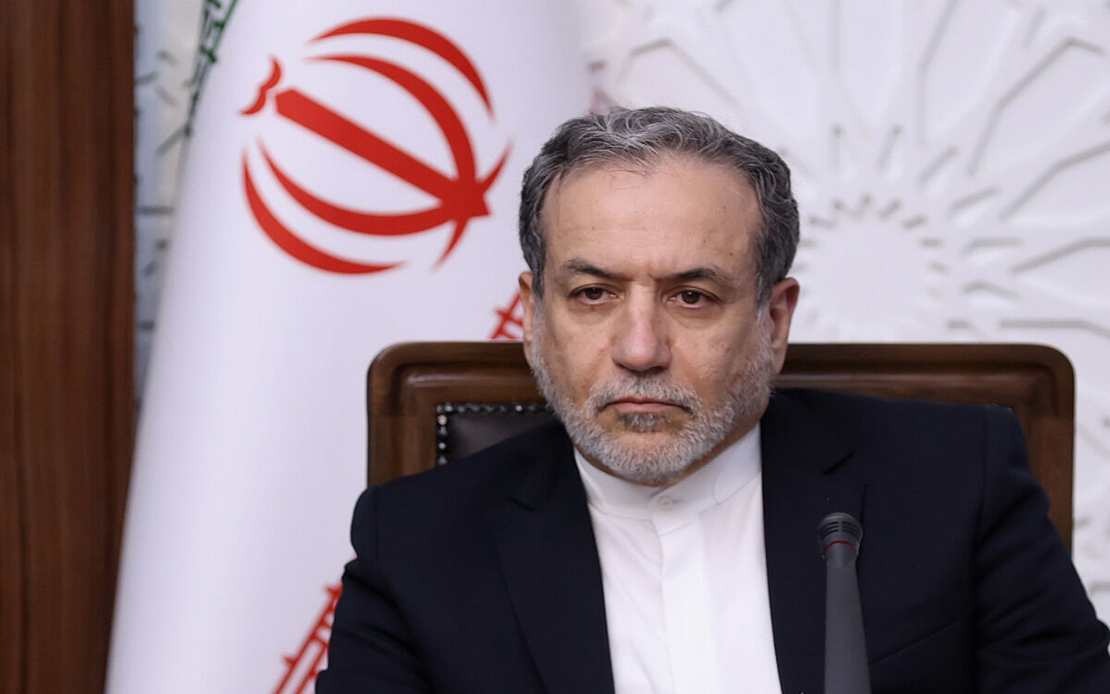
Tehran's diplomatic machinery moved into high gear this week as Iranian Foreign Minister Abbas Araghchi initiated separate telephone conversations with Pakistan's Army Chief, Field Marshal Asim Munir, and Qatari Foreign Minister Mohammed bin Abdulrahman Al Thani. The back-to-back consultations, conducted on Tuesday from Istanbul, underscored a coordinated push by Tehran to engage neighbouring and regional powers on defusing tensions that have repeatedly threatened to destabilise the wider Middle East. Through these channels, Iran appears intent on building a coalition of supportive voices to legitimise its positions on critical regional security matters.
The substance of Araghchi's discussion with Munir focused on establishing mechanisms for ongoing dialogue between Tehran and Islamabad. Both officials acknowledged the necessity of continued consultation and collaborative action aimed at fostering peace and security across the region. For Pakistan, a nation that has historically balanced ties with multiple regional actors while managing its own security challenges, this engagement signals Tehran's expectation that Islamabad can play a constructive mediation role. Pakistan's strategic position straddling South and West Asia has long made it valuable to regional powers seeking dialogue partners.
Meanwhile, the Iranian foreign minister's separate conversation with the Qatari counterpart centred on the mechanics of diplomatic engagement itself. Al Thani and Araghchi discussed leveraging established diplomatic channels and maintaining coordination frameworks to prevent further military escalation. Qatar, which has positioned itself as a neutral mediator in multiple regional disputes and hosts significant US military infrastructure alongside close ties to Iran, occupies a unique position in Middle Eastern geopolitics. Doha's capacity to communicate with all major stakeholders makes such conversations strategically valuable.
The timing of these overtures gains particular significance when viewed alongside a parallel negotiation track involving Oman. On the same day as Araghchi's calls to Islamabad and Doha, Iran and Oman jointly announced a proposed framework for establishing a temporary shared shipping corridor through the Strait of Hormuz, coupled with a collaborative mine-clearance initiative in those contested waters. This framework emerged from direct talks in Tehran between Omani Foreign Minister Badr Albusaidi and Araghchi, representing a tangible diplomatic outcome that could reshape maritime security arrangements in one of the world's most strategically vital waterways.
The Strait of Hormuz, through which approximately one-third of global seaborne traded oil passes, has become a flashpoint in Iran-US tensions. By proposing joint management arrangements with Oman, Iran appears to be establishing facts on the ground and building international partnerships that might legitimise a role for Tehran in managing the strategic waterway. Qatar's Foreign Ministry statement emphasised Doha's backing for diplomatic solutions and initiatives aimed at ensuring maritime freedom and establishing sustainable regional peace, language that implicitly supports the Iran-Oman framework even as it maintains diplomatic neutrality.
The Trump administration's assertion on the same day that all mines in international waters of the Strait of Hormuz had been removed or detonated presents a counternarrative to the Iran-Oman initiative. Washington has consistently maintained that the strait should remain open to unrestricted international navigation without formal Iranian participation in management structures. The American position reflects longstanding concerns about Iranian leverage over global energy supplies and reflects broader strategic distrust of Tehran's intentions.
Historically, United States policy has prioritised alternative routing, particularly through southern shipping lanes closer to Omani waters, while simultaneously maintaining comprehensive sanctions and port blockades targeting Iran. This approach aims to constrain Tehran's economic capacity while avoiding formal acknowledgment of Iranian sovereignty claims over waters the US classifies as international. The fundamental disagreement over whether Iran should have any management role in Hormuz traffic remains a core obstacle to regional accommodation.
Context matters considerably for understanding why these diplomatic efforts are occurring now. The region has experienced multiple cycles of military escalation over recent months, beginning with a surprise US-Israeli strike on Iran in late February, which prompted Iranian retaliation against Israeli and American targets. In mid-June, Washington and Tehran concluded a memorandum of understanding brokered through Pakistani and Qatari intermediaries, yet implementation stalled over precisely the Strait of Hormuz disagreements now being negotiated with Oman. More recently, resumed American military operations against Iranian targets provoked fresh Iranian strikes against US positions in allied Arab states.
These patterns suggest a region locked in a cycle of escalation-de-escalation-escalation, where military actions trigger counter-responses that in turn necessitate diplomatic damage control. For Southeast Asian nations with significant shipping interests and energy dependencies, such volatility poses genuine economic risks. Disruptions to global energy supplies stemming from Hormuz instability would ripple through regional economies dependent on petroleum imports.
The involvement of both Pakistan and Qatar in these talks reflects the limited pool of actors capable of maintaining relationships across the Iran-US divide. Pakistan, despite security challenges at home, continues to manage its relationship with Iran through bilateral channels while maintaining strategic partnership dimensions with the United States. Qatar presents an even more complex balancing act, hosting American military facilities while maintaining independent relationships with Iran and other regional actors. Their participation in coordinated diplomatic efforts suggests recognition among all parties that some form of managed accommodation may be preferable to continued escalatory cycles.
The framework announced with Oman represents an important psychological and practical shift. Joint shipping corridors and collaborative mine-clearing operations require sustained technical coordination and trust-building between adversarial powers. Such arrangements can establish habits of cooperation and create interdependencies that make subsequent military escalation costlier for all parties. Whether this initiative can survive American opposition and translate into functional mechanisms remains uncertain, but it demonstrates Iran's willingness to pursue multilateral solutions alongside bilateral pressure.
For Malaysia and other Southeast Asian economies reliant on stable energy supplies and maritime trade, these developments warrant close attention. Regional stability in the Strait of Hormuz ultimately determines insurance costs, shipping routes, and energy security calculations for trading nations throughout Asia. The diplomatic intensity evident in this week's activity, while modest compared to military confrontations, suggests that regional powers recognise the unsustainability of perpetual tension. Whether these coordinated diplomatic efforts can establish durable de-escalation mechanisms or merely defer the next confrontation remains the critical question shaping regional security trajectories.

