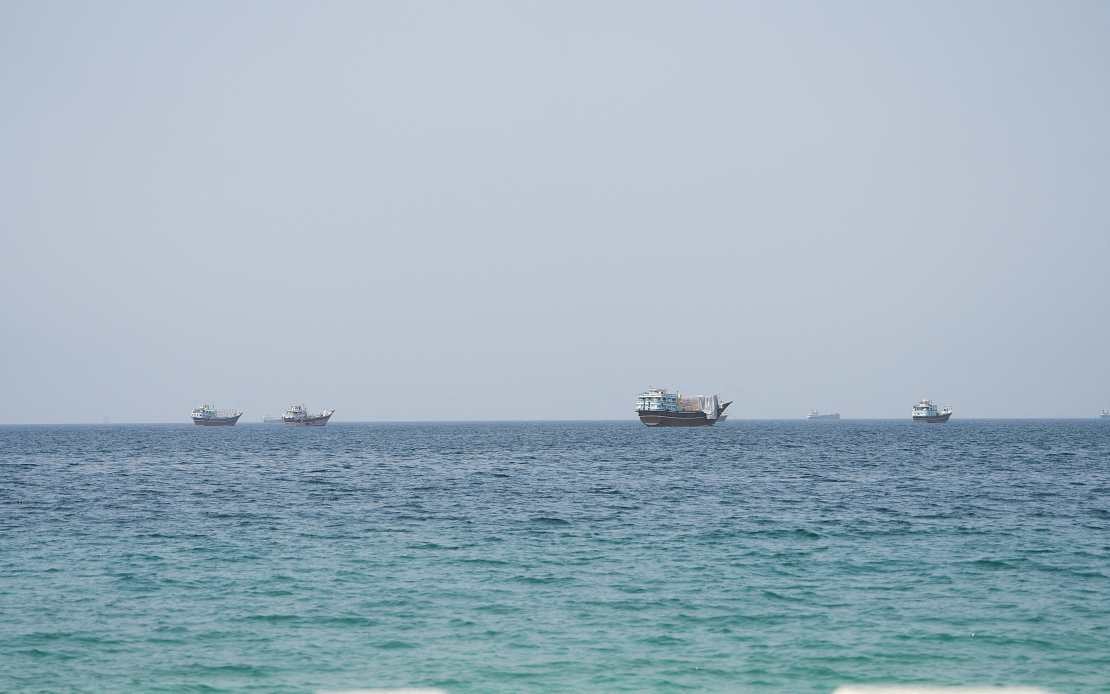
Iran signalled measured optimism about its maritime negotiations with Oman, with Foreign Ministry spokesman Esmaeil Baqaei telling reporters in Istanbul that discussions over the strategically critical Strait of Hormuz are moving forward on a positive trajectory. The two nations have apparently found common ground on fundamental issues affecting international shipping, suggesting that despite broader geopolitical friction in the region, bilateral pragmatism may be creating space for operational agreements that benefit commerce and regional stability.
Baqaei indicated that negotiators have already resolved the contentious question of shipping routes, reaching consensus on what he termed a comprehensive "shipping traffic map." This breakthrough represents substantive progress on what many observers consider the core technical challenge facing the two countries. However, the talks remain incomplete, with both sides still hammering out the precise language and operational procedures in an accompanying joint statement, underscoring that while the broad architecture is taking shape, the fine details of implementation remain under discussion.
Central to the emerging framework is the establishment of formal mechanisms designed to safeguard maritime commerce operating through these contested waters. Iran has emphasized that any agreement must create robust systems ensuring safe passage for vessels, environmental protection, and enforcement against what Tehran characterises as maritime crimes—a category the Islamic Republic has traditionally used expansively to justify its assertions of authority over international shipping lanes. The spokesman also clarified that participating nations and port operators would bear the costs associated with these maritime services, a significant point that suggests Iran intends to monetise its role in facilitating safe transit rather than simply gain geopolitical leverage.
The primary strategic objective motivating Tehran's engagement, Baqaei stressed, is achieving "lasting understanding" that guarantees comprehensive security within the waterway. This language suggests Iran views the Strait of Hormuz not merely as a commercial chokepoint but as a domain where it seeks international recognition of its legitimate security interests. By framing the talks as focused on maritime safety rather than political confrontation, Iranian officials are attempting to position themselves as reasonable stakeholders in regional stability while simultaneously asserting that their cooperation is essential to maintaining freedom of navigation.
The Iranian spokesman took pains to characterise the Oman discussions as purely bilateral and technical in nature, explicitly distancing these negotiations from broader political disputes. This rhetorical positioning is significant for Malaysian and regional audiences, as it signals Tehran's desire to compartmentalise tensions and prevent Hormuz access from becoming another flashpoint in the larger US-Iran confrontation. By emphasising that talks with Muscat concern only "safe routes" for international shipping, Iran appears intent on preventing third parties from viewing the negotiations as part of coordinated pressure or capitulation.
Yet Baqaei simultaneously delivered a hardline message to Washington, insisting that the Strait of Hormuz will not fully reopen to commerce until the United States capitulates to Iranian demands, including ending its naval blockade of Iranian ports. This dual messaging reflects Tehran's complex position: willing to negotiate practical accommodations with regional partners while maintaining maximalist demands toward Washington. For Southeast Asian shipping interests heavily dependent on Hormuz passage, this stance carries implications, as any comprehensive resolution may remain contingent upon broader US-Iran developments beyond Iran's direct control.
The historical context shaping these discussions remains contentious. In June, Iran and the United States concluded a memorandum of understanding brokered by Pakistan and Qatar that halted direct military hostilities and established a framework for broader negotiations. That preliminary agreement included provisions for gradually restoring commercial navigation through the Strait of Hormuz, representing a significant diplomatic opening. However, implementation has stalled amid mutual accusations of treaty violations, with both Washington and Tehran claiming the other side failed to honour commitments, effectively freezing progress and leaving the shipping situation in limbo.
This deterioration underscores the fragility of any interim arrangement in such a charged environment. The Oman talks represent an attempt to salvage practical maritime cooperation even as the broader US-Iran agreement unravels, suggesting that regional actors like Muscat are seeking to maintain channels for dialogue and operational agreements that can survive fluctuations in superpower tensions. For Malaysia and other trading nations, the implications are substantial: even if bilateral Iran-Oman talks succeed, absence of progress in the wider US-Iran dispute could still leave the Strait of Hormuz vulnerable to renewed tensions affecting global shipping.
Baqaei also used the press conference to announce that Iran has not finalised its delegation arrangements for the September United Nations General Assembly, indicating that decisions on both composition and seniority level remain under review. This comment suggests potential ongoing deliberations within Iran's leadership about how prominently to engage at the international forum, possibly reflecting internal debates about negotiating posture toward Washington and Western powers more broadly as talks with Oman and broader maritime diplomacy unfold.
The trajectory of Iran-Oman negotiations carries implications extending far beyond bilateral relations. These talks represent one of few areas where concrete progress appears achievable amid the broader paralysis affecting US-Iran diplomacy. Should Iran and Oman successfully conclude a formal maritime agreement, it would demonstrate that compartmentalised technical cooperation remains possible even when geopolitical conflicts remain unresolved, offering a template for regional states seeking to maintain commerce and stability in contested waters. Conversely, if these discussions falter, it would reinforce perceptions that the regional security environment has become too fractured for meaningful cooperation, with consequences for global shipping costs and supply chain resilience affecting Asian economies including Malaysia.

