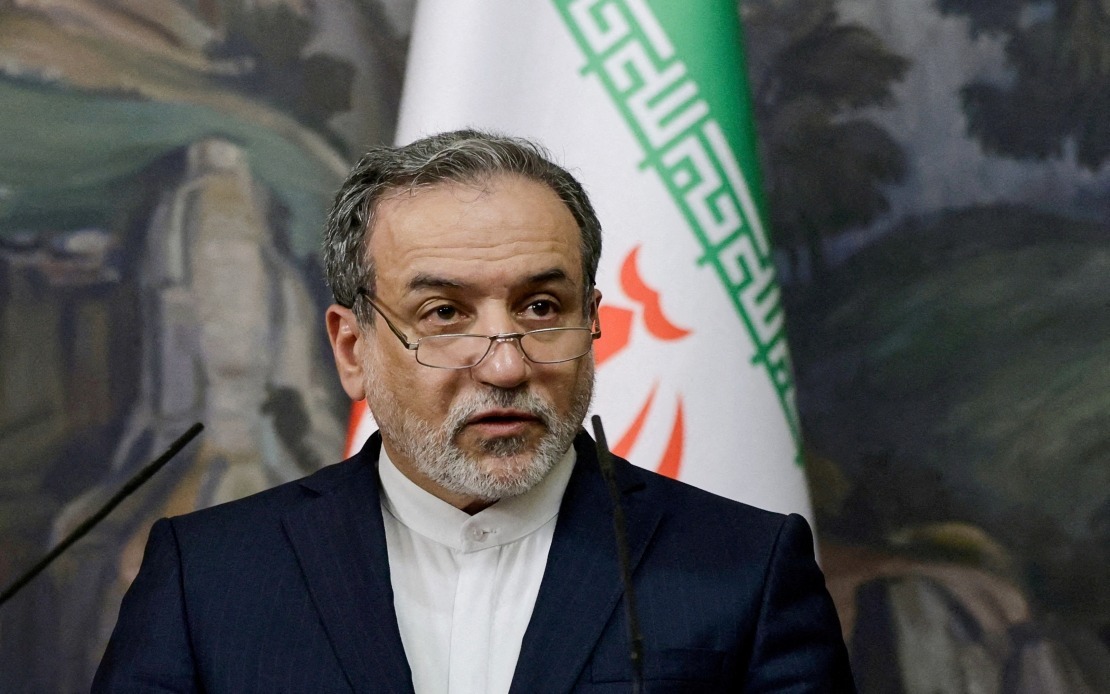
Iran remains noncommittal about returning to the negotiating table with the United States, according to foreign minister Abbas Araghchi, who sought to clarify that ongoing exchanges through intermediaries should not be interpreted as a resumption of formal diplomatic engagement. Speaking in Istanbul, Araghchi rejected characterisations that suggested Iran had committed to a 60-day negotiating window under the Islamabad memorandum, a framework agreement brokered by Pakistan in June that was intended to halt hostilities between the two nations.
The distinction Araghchi drew between talks and message-passing through mediators is crucial for understanding the current state of Iranian-American relations. He emphasised that communications facilitated by Qatar and Pakistan represent channels for information exchange rather than substantive negotiations aimed at resolving the underlying disputes. This careful semantic positioning reflects Iran's desire to keep diplomatic doors theoretically open while avoiding any appearance of capitulation or eagerness to negotiate on American terms.
According to Araghchi's account, the United States violated provisions of the Islamabad memorandum, leading to a resumption of military conflict and rendering moot the question of whether the initial 60-day period required extension. In his view, the framework agreement's intent was to establish a defined period during which both parties could work toward a comprehensive settlement, rather than simply instituting a temporary ceasefire. This interpretation suggests that Iran does not view the memorandum as having created binding obligations that would automatically trigger further negotiations if violated.
The breakdown of the Islamabad agreement represents a significant setback for regional stability efforts and reflects the deep mistrust between Tehran and Washington. Pakistan's role as mediator in the June framework demonstrates the Gulf nation's continued efforts to position itself as a bridge between Middle Eastern powers and the West, though the failure of this initiative may limit Islamabad's future diplomatic capital in such endeavours. For Southeast Asian nations with interests in Gulf stability and maritime security, such failures underscore the fragility of informal peace arrangements without robust enforcement mechanisms.
Meanwhile, Iran is pursuing separate technical negotiations with Oman focused on establishing alternative maritime routes through the Strait of Hormuz. Araghchi characterised these discussions as expert-level consultations aimed at designing shipping corridors to replace passages deemed no longer suitable for commercial traffic. The involvement of Iranian armed forces in these technical talks suggests that security considerations feature prominently in Tehran's planning for regional sea lanes, a factor that carries implications for global energy markets given the strait's critical role in oil exports.
The distinction Araghchi drew between route-designing talks and the broader question of strait access proves revealing. He indicated that even once maritime pathways are technically finalised, the actual reopening of the Strait of Hormuz remains contingent upon Washington satisfying additional, unspecified conditions that Iran considers essential. This formulation allows Tehran to maintain negotiating leverage while advancing practical maritime planning, effectively decoupling technical cooperation with Oman from the broader geopolitical standoff with the United States.
The Iranian position carries significant implications for global shipping and energy markets, particularly in Southeast Asia where many nations depend upon Hormuz transit for crude oil imports. Malaysia, as a major petroleum consumer and a country with substantial maritime interests in adjacent waters, faces uncertainty about the long-term accessibility and safety of these critical passages. The strategic ambiguity Tehran maintains regarding corridor reopening could translate into sustained freight premiums and insurance costs that ripple through Asian supply chains.
Araghchi's careful language reflects Iran's attempt to balance multiple objectives simultaneously. By emphasising ongoing mediation without confirming negotiations, Iran signals availability for dialogue while avoiding commitments that might undermine its domestic political standing or negotiating positions. The reference to technical talks with Oman provides a parallel track that allows Iran to engage with regional actors without appearing to negotiate with Washington, a distinction that carries weight in Iranian domestic politics where nationalist sentiment runs strong against perceived American interference.
The broader context of these developments involves questions about the sustainability of any agreement between Iran and the United States without robust international verification and enforcement mechanisms. The Islamabad memorandum's apparent collapse after alleged American violation suggests that informal arrangements lacking institutional backing struggle to withstand the pressure of conflicting national interests and mutual suspicion. Regional powers like Malaysia, which has maintained diplomatic balance between various Middle Eastern factions, may find the continued instability argues for stronger multilateral involvement in Gulf security arrangements.
For investors and businesses across Southeast Asia with exposure to Middle Eastern energy markets or maritime trade, the lack of clarity about Iran-US relations and Hormuz transit represents an ongoing risk factor. Companies operating container vessels, tankers, or supply chains dependent on uninterrupted Gulf access face persistent uncertainty about route viability and security costs. The absence of any definitive negotiating framework means that regional conditions could shift rapidly based on political developments in Tehran or Washington.
Araghchi's statements also reveal something about Iranian negotiating strategy more broadly. By maintaining that no decision has been reached on resuming talks while keeping mediator channels active, Iran preserves optionality and avoids the appearance of either capitulation or intransigence. This posture may reflect Iran's assessment that current conditions favour patience, or alternatively, that accepting American terms would generate unacceptable domestic political costs. The foreign minister's emphasis on American violations of the memorandum serves to position Iran as the aggrieved party, a framing designed to maintain support from regional allies and the Iranian public.
The technical shipping corridor negotiations with Oman represent a practical hedge against the possibility that broader Iranian-American negotiations remain permanently stalled. By making progress on alternative maritime arrangements, Iran can demonstrate to international partners that it is advancing regional stability even as formal diplomacy languishes. Simultaneously, the conditional framing of strait reopening keeps leverage available should negotiations eventually resume, allowing Tehran to present any eventual agreement as extracted through determined bargaining rather than concession.

