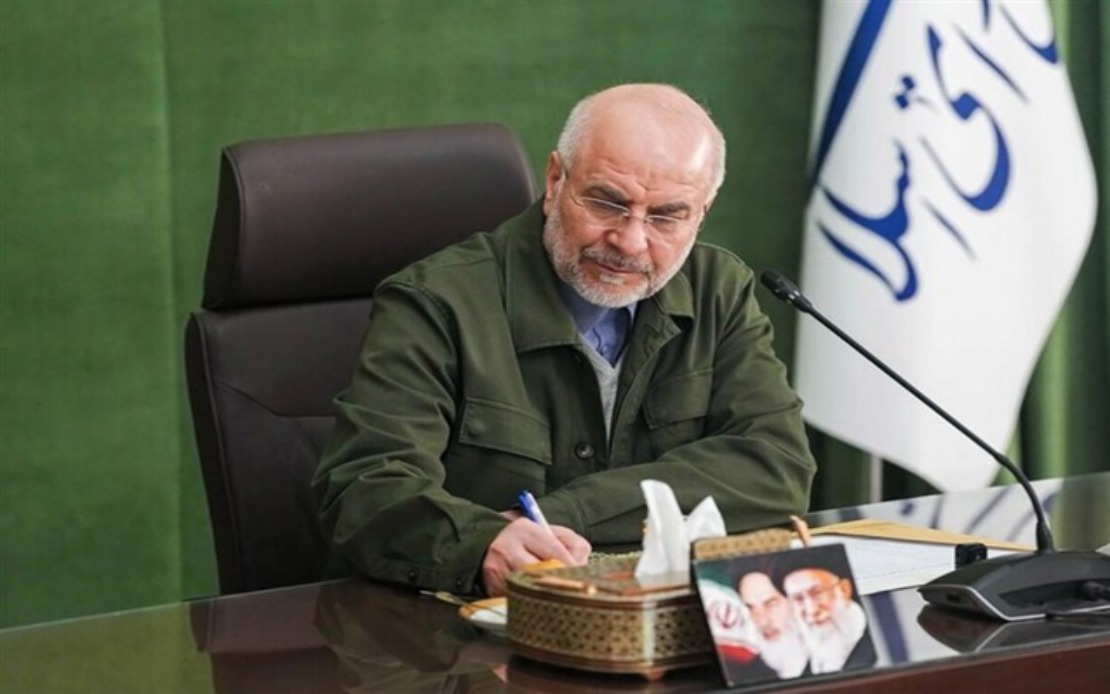
Iranian Parliament Speaker Mohammad Bagher Ghalibaf has firmly disputed assertions from Washington that Tehran intends to use its recently unfrozen assets to purchase United States agricultural products, marking another flashpoint in the fraught relationship between the two nations. Speaking through a social media post on Thursday, Ghalibaf—who doubles as a principal Iranian negotiator in ongoing discussions—characterised the American claims as baseless propaganda, employing pointed rhetoric that underscores the deep reservoir of mistrust separating the parties.
The disagreement centres on how Iran will deploy funds that have been released following preliminary negotiations. Vice President JD Vance suggested on Monday that the unfrozen capital could be directed towards purchasing American soybeans, corn, and wheat. President Donald Trump subsequently escalated the claim on Tuesday, asserting that the assets would be deposited into a US-controlled escrow arrangement and exclusively allocated to buying American food and medical supplies. These statements appear to represent a coordinated messaging strategy from the Trump administration, yet they have provoked a unified and dismissive response from Tehran's political and financial establishment.
Ghalibaf's declaration on the social platform X carried particular symbolic weight, invoking historical grievances rather than engaging with the practical substance of the US proposal. His reference to harvesting what America had planted—describing decades of mistrust—reflects how deeply the nuclear dispute and sanctions regime have poisoned bilateral relations. The metaphor suggests that Iranian leadership views any conditions attached to asset release as continuing attempts at coercion, viewing such restrictions as incompatible with genuine sovereignty.
Official Iranian government channels have reinforced this position with varying emphases. Esmaeil Baghaei, the Foreign Ministry spokesperson, delivered a more technical rebuttal on Tuesday, emphasising that Iran retains complete discretion over deploying the unfrozen assets according to national interests without external constraints. Critically, he articulated that purchasing decisions would be evaluated purely on commercial grounds—price and quality factors—rather than political considerations or bilateral relationship-building through preferential American purchases.
Abdolnaser Hemmati, heading Iran's Central Bank, adopted a slightly more nuanced stance while maintaining the core position. He explicitly rejected any suggestion that Iran faces obligations to procure US agricultural commodities, yet indicated openness to American products should they demonstrate competitive pricing advantages. This formulation preserves both Iranian autonomy and the theoretical possibility of trade with the United States, without conceding any ground on principle.
The timing and intensity of these conflicting narratives illuminate the fragility of the current diplomatic process. Both sides signed a memorandum of understanding on June 18 establishing a 60-day timeline for negotiating a comprehensive agreement addressing Iran's nuclear programme and the lifting of international sanctions. The fact that such fundamental disagreements about asset utilisation surfaced almost immediately suggests that deeper structural tensions remain unresolved beneath the surface diplomatic courtesy.
For Malaysian observers and regional policymakers, this dispute carries several implications. The continued acrimony between Iran and the United States complicates Southeast Asia's delicate balancing act of maintaining relationships with both powers while pursuing independent interests. Malaysia, as an ASEAN member and significant trader with both countries, faces uncertainty regarding the trajectory of Iran-US relations and their potential ripple effects across global commerce and geopolitics.
The emphasis by Iranian officials on commercial neutrality—that any international purchases will follow cost-benefit analysis rather than political calculations—signals Tehran's determination to preserve its freedom of action in international markets. This stance carries particular relevance for Malaysia's trading partners and competitors, as it suggests that Iran's import decisions will remain subject to market dynamics rather than political alignment. The Central Bank governor's formulation, while technically non-committal on American goods, leaves open the possibility that genuine competitive advantages might attract Iranian procurement.
The substantive disagreement also reflects divergent interpretations of what asset release signifies. The Trump administration appears to view unfrozen funds as leverage to be extended conditionally, with strings attached regarding their application. The Iranian perspective treats any conditions as infringements on sovereignty and as evidence of continued American attempts to dictate outcomes. This fundamental incompatibility in how each side conceptualises the meaning of sanctions relief remains a critical obstacle to sustained diplomatic progress.
Negotiations resumed in Switzerland following Ghalibaf's rejection, with both delegations carrying incompatible positions into talks. The 60-day window for achieving final agreement will require substantial movement on both sides regarding asset use, nuclear programme parameters, and the sequencing of sanctions removal. The fact that arguments over asset deployment have emerged publicly rather than remaining contained within diplomatic channels suggests that either side may be managing domestic constituencies—Iran's leadership reassuring elements suspicious of American dealings, and Washington signalling its intention to secure reciprocal benefits from sanctions relief.
Looking forward, the trajectory of these negotiations will depend heavily on whether both sides can compartmentalise disagreements over subsidiary matters and focus on the core nuclear issues that originally precipitated sanctions. The public dispute over agricultural purchases, while seemingly peripheral, may reflect deeper disagreements about the fundamental nature of any agreement being pursued. Malaysian policymakers and businesses tracking Iran-US developments should monitor whether this particular impasse signals genuine movement toward reconciliation or merely another cycle in the prolonged, cyclical conflict that has characterised relations for more than four decades.

