Iran's football delegation has levelled serious accusations of prejudicial treatment as they depart from the World Cup, marking a contentious conclusion to their tournament participation. The Iranian Football Federation for the Islamic Republic of Iran (FFIRI) released a statement on Saturday highlighting what they characterize as systemic unfairness experienced throughout their stay, drawing attention to controversies that have shadowed their campaign and reflecting broader geopolitical tensions surrounding their presence at the competition.
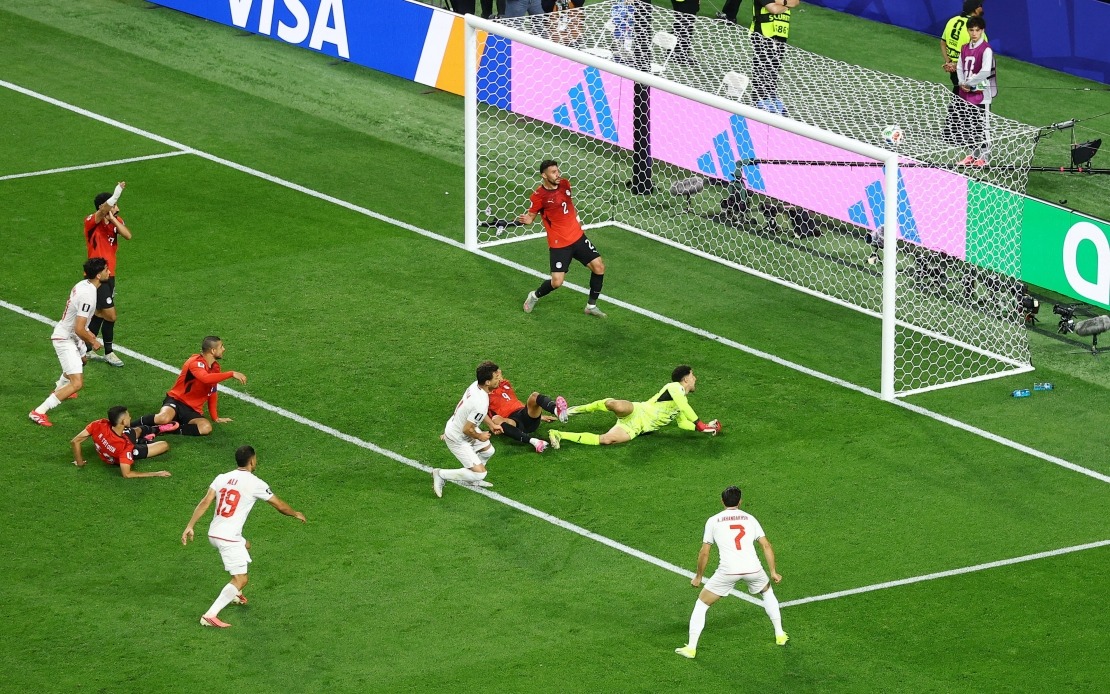
The team's elimination came through a 1-1 draw with Egypt in a match that exemplified the frustrations plaguing Iran's tournament run. A crucial goal was struck from the scoreboard following an extended Video Assistant Referee review, denying Iran a potential pathway to the knockout stages. This decision crystallized weeks of mounting grievances about officiating consistency and the application of tournament rules, complaints that had accumulated from Iran's opening matches onward.
The logistical challenges facing Iran's delegation extended beyond on-field disputes. Originally scheduled to establish their base in Arizona, the team was forced to relocate to Tijuana, Mexico, a move that underscored the diplomatic complications attendant to Iran's participation in a tournament hosted by the United States. This geographical relocation necessitated complicated travel arrangements for matches played across American venues, introducing additional operational burdens and restricting the squad's freedom of movement compared to other competing nations.
For Malaysian readers and Southeast Asian observers, Iran's experience illuminates the complex intersection of international sport and geopolitical rivalry. The situation demonstrates how diplomatic tensions between nations can permeate even ostensibly apolitical sporting events, creating asymmetries in treatment that may affect competitive fairness. Such dynamics have historical parallels in Asian football competitions where political considerations occasionally influence tournament organization and participant experiences.
The Iranian federation's formal statement expressed gratitude to international media for documenting their circumstances with what they describe as accuracy and integrity. By specifically thanking journalists for covering both their sporting performance and the operational challenges encountered, Iran's leadership signalled that they view media coverage of their grievances as crucial documentation of systemic inequities. This appeal to the international press suggests Iran believes their concerns merit scrutiny beyond the football pitch itself.
A striking element of Iran's departure statement involves their effusive praise for Mexico and the city of Tijuana specifically. The Iranian delegation commended local residents for providing genuine hospitality and warmth, presenting a counternarrative to the difficulties experienced in the United States. This distinction—between welcoming treatment in Mexico and restrictive conditions in America—carries symbolic weight, effectively reinforcing Iran's central complaint about unequal treatment based on geopolitical considerations rather than sporting principles.
The broader context of Iran's tournament participation reflects persistent US-Iran tensions that have defined international relations for decades. The necessity to relocate their operational base, combined with travel restrictions affecting team movements, suggests that security and diplomatic concerns influenced logistical decisions in ways that arguably disadvantaged Iran compared to other participating nations. For Southeast Asian nations accustomed to hosting international tournaments, Iran's experience raises questions about the obligations of host nations to provide equitable conditions regardless of political relationships with participating countries.
From a football perspective, Iran's inability to advance compounds the frustration with contested decisions. The disallowed goal against Egypt represented a tangible consequence of VAR controversy, a technology intended to enhance fairness but which sometimes generates its own disputes about interpretation and application. The cumulative effect of these on-field and off-field challenges paints a picture of a squad contending with obstacles beyond normal competitive pressures.
The FFIRI's dignified yet pointed farewell statement demonstrates how national sports federations navigate diplomatic matters through carefully calibrated public communications. Rather than issuing inflammatory accusations, Iran's federation acknowledged support from media and Mexican hosts while implicitly critiquing American treatment through selective omission. This rhetorical strategy allows Iran to register its complaints while maintaining the diplomatic decorum expected in international sporting contexts.
For Southeast Asian football communities, Iran's World Cup experience underscores the importance of ensuring that host nations create genuinely inclusive environments for all participating delegations, irrespective of political relationships. The principle that sport should transcend geopolitical divisions remains aspirational rather than consistently realized, as Iran's complaints illustrate. Moving forward, international football governance bodies may need to establish clearer protocols guaranteeing equitable treatment and movement freedoms for all nations, preventing future tournaments from becoming venues where diplomatic grievances overshadow athletic competition.
Iran's departure represents not merely a squad returning home from an unsuccessful campaign but a statement about the inequities they encountered. Whether these complaints receive formal investigation or remain part of broader discourse about tournament administration, they contribute to an important conversation about what equitable international competition truly requires in an era of persistent geopolitical tensions and strategic rivalry.

