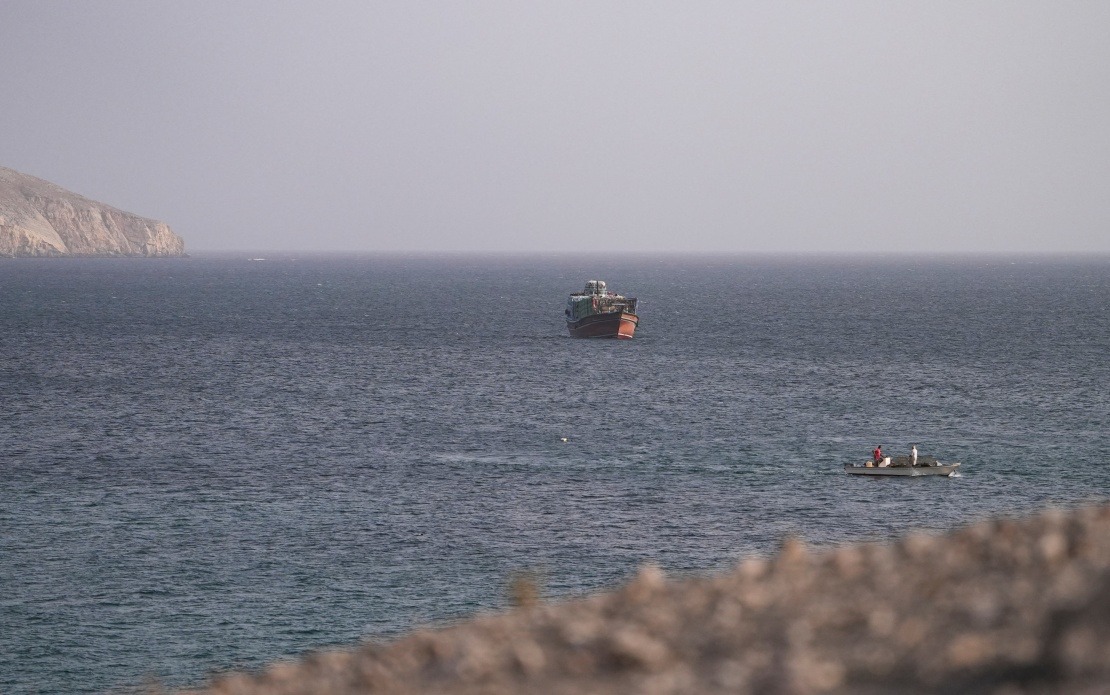
Iran and Oman have moved closer to concluding a fresh understanding on commercial shipping operations through the Strait of Hormuz, one of the world's most strategically vital waterways. Kazem Gharibabadi, Iran's Deputy Foreign Minister for Legal and International Affairs, indicated this week that the two nations are in the final phases of establishing modified transit protocols that would reshape maritime commerce through the chokepoint separating the Persian Gulf from the Gulf of Oman.
The proposed arrangement represents a fundamental departure from the status quo that has governed the waterway for the past six decades. Under the new model, Iranian authorities would oversee a substantially enlarged portion of the shipping corridor, with commercial vessels navigating through expanded sections of Iran's territorial waters. Gharibabadi was careful to clarify that this framework does not constitute a blanket reopening of the strait, but rather introduces a revised operational model that redistributes traffic flows and authority over defined maritime zones.
The question of whether Iran will impose transit fees on passing vessels remains unresolved and contingent on decisions from the country's highest governing bodies, according to Gharibabadi's statements. This issue carries significant economic implications not only for Iran but also for global energy markets and regional trade. The potential introduction of transit levies would mark a dramatic policy shift, as traditional international maritime law has generally resisted toll arrangements on international straits. Malaysia and other regional economies dependent on Gulf trade would face cost implications if such fees are implemented.
The bilateral negotiations between Tehran and Muscat signal Iran's pragmatic approach to managing one of its most sensitive geopolitical assets. Oman, geographically positioned at the mouth of the Persian Gulf and traditionally maintaining neutral relations with both Gulf powers and Iran, has emerged as the natural mediator for such arrangements. The Sultanate's diplomatic experience and its historical role as a facilitator between competing regional interests make it a credible partner for reshaping transit protocols.
Parallel to these negotiations, Iran has sent indirect signals regarding potential negotiations with the United States. Gharibabadi confirmed receipt of messages suggesting Washington's willingness to "return to its commitments," though he refrained from detailing which specific obligations formed the substance of these communications. This language points toward broader nuclear and sanctions negotiations, hinting that a comprehensive agreement with the Americans could materialise within days. For Southeast Asian nations, particularly those reliant on stable energy supplies and predictable shipping conditions, such developments carry profound consequences.
The strategic timing of these announcements reflects Iran's multifaceted diplomatic strategy. By advancing the Oman arrangement simultaneously with signals from Washington, Tehran positions itself as a rational actor engaged in constructive international engagement while maintaining leverage over critical maritime infrastructure. The Strait of Hormuz, through which roughly one-third of globally traded petroleum passes annually, gives Iran significant geopolitical influence that extends far beyond the Middle East.
The implications for Malaysia and the broader Southeast Asian region warrant careful consideration. Any disruption to Strait of Hormuz traffic affects the supply chains underpinning ASEAN economies, particularly for energy imports. Malaysia itself has substantial maritime interests in regional waters and maintains significant trade volumes passing through Middle Eastern shipping lanes. Rising transit costs or altered shipping protocols would ultimately translate into higher energy prices and increased logistics expenses for regional businesses.
The proposed new arrangement's specifics remain largely undisclosed, but the framework suggests Iran intends to retain greater operational control and information about vessel movements through the waterway. This could enhance Iranian security oversight but potentially complicates insurance arrangements and maritime liability frameworks that international shipping companies depend upon. The commercial shipping community will require clear, transparent protocols to assess operational and financial risks.
Gharibabadi's emphasis that the arrangement does not represent a full reopening suggests Iran is pursuing a measured approach that enhances its strategic position without triggering international escalation. This calculated stance reflects lessons learned from previous confrontational maritime incidents and indicates Tehran's preference for sustainable arrangements over provocative gestures. The distinction between expanded Iranian control and complete closure is meaningful for global energy security.
The prospective accord between Iran and Oman demonstrates how regional powers can develop creative solutions to longstanding maritime disputes when motivated by mutual interest. For Malaysia's policymakers and business community, monitoring developments in the Strait of Hormuz remains essential. Any finalised agreement will require international notification through proper maritime channels, allowing trading nations to adjust insurance policies, routing decisions, and supply chain management accordingly.
Looking ahead, the interconnection between the Iran-Oman shipping arrangement and potential US-Iran negotiations suggests we may see a broader normalisation of Iranian maritime practices. If Washington reciprocates Tehran's apparent openness to renewed commitments, the resulting stability could benefit all maritime nations, including Malaysia, through more predictable energy costs and secure shipping corridors. Conversely, if negotiations stall, the new Iran-Oman arrangement may serve as Iran's alternative framework for asserting control over Gulf transit routes.
The coming days and weeks will be critical for determining whether these diplomatic initiatives yield sustainable agreements or constitute temporary positioning in ongoing regional tensions. Malaysian stakeholders should remain attentive to official international maritime authority announcements and insurance market developments, as these will signal the practical implications of new Strait of Hormuz arrangements for regional commerce.

