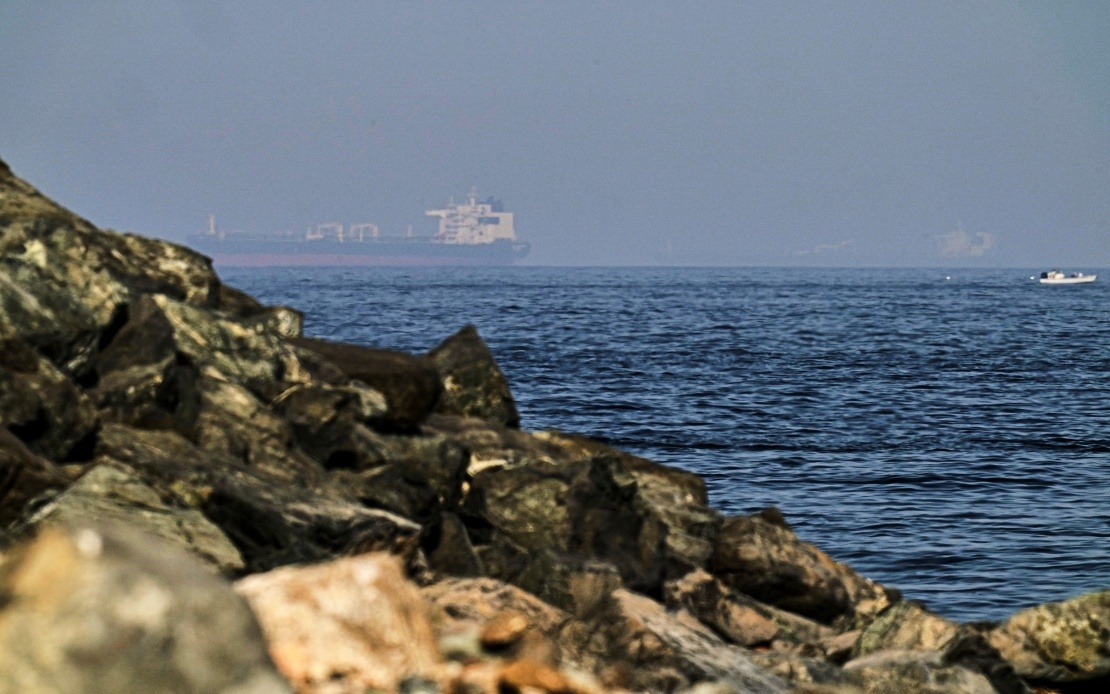
Iran and Oman have jointly established a temporary shipping corridor through the critical Strait of Hormuz, according to Major General Mohsen Rezaei, secretary of Iran's Supreme National Security Council. The development, disclosed during an interview with Al-Manar TV, represents a significant move by the two neighbouring nations to manage maritime traffic through one of the world's most strategically vital waterways. The arrangement involves defining a specific passage route that spans both Iranian and Omani territorial waters, with coordinated management of vessel movements by the two countries working in tandem.
The establishment of this corridor carries profound implications for global shipping and regional stability. As one of the world's most crucial chokepoints through which approximately one-third of seaborne traded oil passes, the Strait of Hormuz remains central to international energy security and economic flows. Any disruption to shipping through this narrow passage has immediate ripple effects across Asian markets, particularly for nations like Malaysia that depend heavily on reliable energy supplies and uninterrupted maritime trade. The creation of a jointly-managed corridor suggests a degree of cooperation between Tehran and Muscat, though the underlying tensions remain substantial.
Crucially, Rezaei framed the temporary nature of this arrangement as contingent upon broader geopolitical developments, particularly US conduct in the Middle East. He articulated a comprehensive list of conditions that must be met before Iran would agree to full reopening of normal shipping through the strait. These demands centre on ending military conflicts across West Asia, with particular emphasis on Lebanon and Gaza, securing Israeli withdrawal from Lebanese territories, halting operations against Syria, and establishing verifiable commitments from Washington. The linkage between maritime commerce and regional conflict resolution underscores Iran's strategy of treating the Strait of Hormuz not merely as a commercial shipping lane but as leverage in its broader confrontation with the United States and Israel.
The Iranian security official's framing of the corridor as positioned in the "middle" of the Strait of Hormuz suggests a deliberate neutrality in its placement, though the geographic reality remains that both Iranian and Omani jurisdiction are essential to its function. This technical arrangement allows Iran to maintain control over access to its waters while Oman provides reciprocal management over its portion. For regional observers, the agreement demonstrates that despite escalating tensions elsewhere in the Middle East, bilateral arrangements between neighbouring states can still function when mutual interests align. Oman, historically positioned as a diplomatic bridge in regional disputes, continues its tradition of pragmatic engagement with all parties.
Rezaei's comments reflect Tehran's perception of declining effectiveness of military solutions alone, evident in his observation that the United States has shifted toward economic pressure tactics. This assessment suggests Iran views economic confrontation as the emerging battlefield where future contests will be decided. The Iranian official warned that Tehran would respond to economic escalation with counter-measures targeting American economic interests throughout the region, indicating a willingness to escalate economic warfare if provoked. This dynamic carries significance for Southeast Asian economies with American connections, as regional economic disruption could affect trade flows and investment patterns across Asia.
The Iranian security chief emphasised the interconnected nature of Middle Eastern instability, characterising the region as "an interconnected chain" where deterioration in one country's security raises costs and undermines development elsewhere. This observation aligns with regional economic theory recognising how conflict in crucial areas affects global supply chains, investment flows, and economic growth across Asia-Pacific nations. Malaysia and other Southeast Asian states with significant Middle Eastern trade relationships must monitor these developments closely, as regional instability directly translates into higher shipping insurance costs, longer transit times, and unpredictable energy prices.
Regarding military dimensions, Rezaei asserted that the Israeli military has lost capacity to advance toward Beirut or southern Lebanese suburbs, attributing this to significant losses inflicted by Hezbollah over preceding months combined with what he termed the "Iranian threat." This characterisation of military stalemate contrasts sharply with other assessments of the conflict's trajectory and highlights the divergent narratives competing for acceptance. The statement underscores Iran's commitment to supporting Lebanon, which Rezaei described as having "historic and deeply rooted" ties to Tehran, citing centuries-old scholarly connections between Jabal Amel and Iran.
Rezaei's discussion of Iran's military strategy reveals a carefully calibrated approach to escalation, noting that Tehran initially refrained from targeting American bases in Persian Gulf states before progressively expanding response scope. He justified this incremental approach as incorporating humanitarian considerations while building regional and international support for Iranian actions. This framework demonstrates Iran's sophisticated understanding that military actions divorced from political legitimacy produce limited strategic advantage. The approach suggests Tehran believes graduated escalation, when accompanied by effective messaging, generates greater long-term strategic leverage than overwhelming initial force.
On economic relationships, Rezaei addressed Turkey's role, emphasising deep trade ties and specifically rejecting any possibility of Ankara imposing economic pressure on Tehran. He invoked Turkey's historical role as a crucial trade corridor during the Iran-Iraq War of the 1980s, suggesting continuity in bilateral relations despite broader regional turbulence. This statement carries implications for understanding how major regional powers navigate conflicting pressures and interests, with Turkey maintaining economic relationships despite geopolitical complexities.
The temporary shipping corridor arrangement ultimately represents a tactical measure within broader strategic competition rather than resolution of underlying tensions. The conditioning of full reopening on US compliance with Iranian demands regarding regional conflicts indicates that the Strait of Hormuz remains weaponised in Tehran's geopolitical strategy. For Malaysia and Southeast Asian trading nations, this situation reinforces the imperative of diversifying shipping routes, securing long-term energy contracts, and building regional economic resilience independent of Middle Eastern corridor stability. The arrangement also suggests that despite rhetoric of confrontation, pragmatic bilateral arrangements between neighbouring states can function when immediate commercial interests align, offering limited but meaningful reassurance about maritime security through this critical passage.

