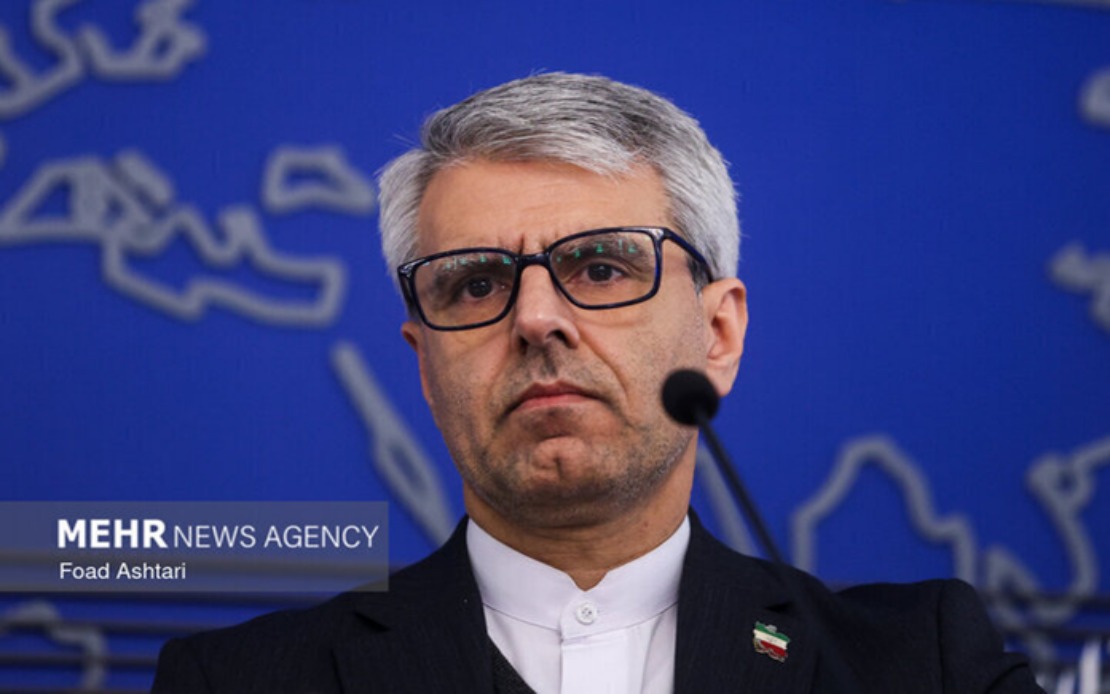
Iran and Oman have committed themselves to a sustained dialogue framework addressing the security and operational status of the Strait of Hormuz, one of the world's most critical maritime chokepoints through which roughly one-third of global seaborne oil trade passes. The agreement emerged following talks between Iranian Foreign Minister Abbas Araghchi and Omani officials over the weekend, with Iranian Foreign Ministry spokesman Esmaeil Baghaei confirming the two nations would pursue consultations spanning political, legal, and technical dimensions to establish a shared approach to ensuring safe passage through the waterway.
The diplomatic initiative comes against a backdrop of heightened regional tensions, with Iran's Islamic Revolutionary Guard Corps having previously declared the Strait of Hormuz closed to maritime traffic until what it characterises as American intervention in the region ceases. The IRGC's statement represented an escalatory position that threatened to disrupt one of the world's most strategically vital shipping lanes and raised concerns about potential disruptions to global energy supplies. By contrast, the agreement with Oman signals a willingness by Tehran to pursue negotiated solutions rather than unilateral action, positioning the sultanate as a crucial interlocutor in a region where conflict risks remain substantial.
Oman's role as a mediator reflects its long-standing position as a neutral player in Middle Eastern geopolitics. The sultanate maintains productive diplomatic relations across the spectrum of regional actors and has historically served as a venue for back-channel communications and confidence-building measures. Araghchi's visit underscores how Muscat continues to leverage this position to address maritime security concerns that threaten not only the immediate interests of Gulf states but also global economic stability. For Malaysia and other Southeast Asian nations dependent on energy imports transiting the Strait, Omani mediation efforts carry direct relevance to regional prosperity and supply chain reliability.
Baghaei's comments suggest that Iran seeks to frame future management of the Strait through bilateral consultation with Oman rather than through international mechanisms or under pressure from external powers. His reference to the necessity of accounting for "military actions of the US and Israel against Iran" indicates that Tehran views the maritime question as inseparable from broader security grievances. This framing attempts to link maritime navigation issues to what Iranian officials perceive as existential threats, complicating the pathway to resolution by embedding the Strait's status within a wider confrontation.
Qatar's participation in the consultations, as noted by Baghaei, adds another layer to the diplomatic architecture. The Gulf state has maintained its own mediation channels with the United States and has invested diplomatic capital in reducing tensions between Washington and Tehran. Qatar's involvement suggests that these talks on the Strait may be part of a larger negotiation framework extending beyond the immediate Iran-Oman bilateral relationship. The inclusion of Doha indicates that multiple regional and international actors recognise the imperative of preventing maritime conflict that could spiral into wider confrontation.
For Malaysian policymakers and businesses, the implications are significant. The Strait of Hormuz disruption would directly affect energy security, shipping costs, and supply chain predictability across Southeast Asia. Malaysia's petrochemical and refining sectors, which depend on steady supplies of crude oil, would face immediate pressures from any sustained closure or even persistent uncertainty about passage. The agreement between Iran and Oman, by creating a structured dialogue process, reduces the immediate risk of unilateral Iranian action while acknowledging Tehran's desire to condition maritime access on political demands.
The emphasis on dialogue at political, legal, and technical levels suggests a comprehensive approach designed to address security concerns across multiple registers. The technical dimension likely involves discussions of vessel tracking, communication protocols, and incident response mechanisms. Legal consultations probably focus on maritime law, freedom of navigation principles, and the rights and responsibilities of coastal states under international convention. Political talks presumably address the underlying grievances and strategic interests that have prompted Iranian assertiveness in the waterway.
The timing of these consultations reflects the acute nature of current regional dynamics. Recent military escalations and evolving threat perceptions have created an environment where maritime stability cannot be assumed. By institutionalising dialogue, Iran and Oman establish a mechanism through which grievances can be aired and misunderstandings clarified before they translate into dangerous incidents. This gradualist approach to managing the Strait contrasts with more confrontational postures and suggests that even amid significant tensions, pragmatic channels for communication remain available.
The agreement also implicitly acknowledges that unilateral assertions of control over the Strait, whether by Iran or other powers, face practical limitations and generate international opposition that ultimately disadvantages those pursuing such strategies. Oman's willingness to host and facilitate these discussions reflects the sultanate's interest in maintaining the Strait as an open waterway while respecting legitimate security concerns of all parties. For Malaysia and the broader Southeast Asian region, Omani mediation efforts represent an encouraging sign that diplomatic options remain viable even when tensions escalate.
Moving forward, the success of these consultations will depend on whether Iran and Oman can translate broad commitments to dialogue into concrete agreements on maritime operations, incident prevention, and communication protocols. The involvement of Qatar and the reference to broader regional dynamics suggest that resolution of Strait-specific issues may require parallel progress on wider tensions between Iran and Western powers. Malaysian observers should monitor these discussions closely, as their outcome will directly shape the stability and costs of energy transit through a waterway upon which Southeast Asian economic prosperity depends.

