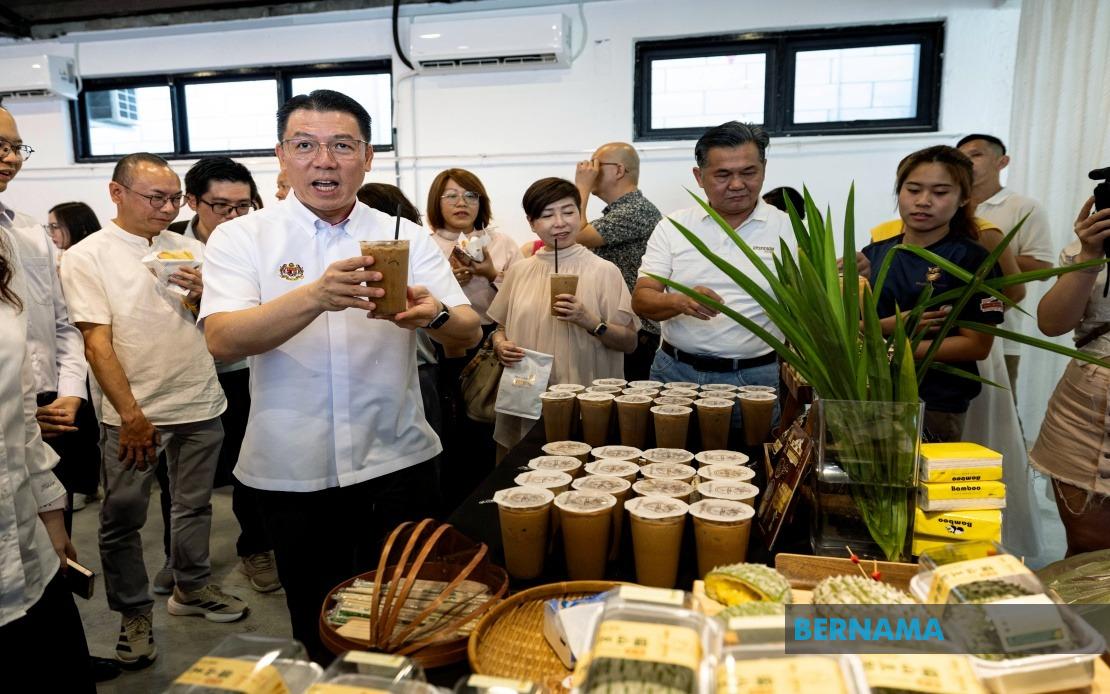
Malaysia's Housing and Local Government Minister Nga Kor Ming has unveiled an ambitious culinary initiative positioning Ipoh's gastronomic traditions as a vehicle for communal cohesion and cultural celebration. The Jom Makan Ipoh 2026 Expo, launching this month, represents a deliberate strategy to harness the universal appeal of food in fostering interracial understanding and strengthening the nation's multicultural fabric. Speaking at the event's pre-launch, Nga emphasised that cuisine transcends ethnic and religious boundaries, making it an ideal lens through which to celebrate Malaysia's diversity during the Merdeka Month festivities.
The three-day festival, running from August 28 to 30 between 5 pm and 11 pm at Palo 101, will host more than 50 vendors representing food stalls and agricultural product providers. This scale signals the organisers' confidence in food's drawing power as both a cultural product and economic opportunity. The exposition draws on the Kepayang constituency service centre's local networks alongside strategic partnerships, creating a framework that bridges community engagement with tourism development. Nga's involvement as both the area's assemblyman and a cabinet minister underscores the government's institutional commitment to the project, elevating it beyond a typical street festival into a deliberate policy statement about cultural identity.
The expo's curatorial approach reflects serious thinking about Ipoh's culinary distinctiveness. Rather than presenting an undifferentiated spread of Malaysian food, organisers have selected 12 signature Ipoh specialties as the festival's centrepiece, complemented by street food selections and artisanal agricultural products. This curation process reveals an understanding that places develop culinary identities through historical accumulation and local resourcefulness. Ipoh White Coffee, the city's most internationally recognised food export, anchors the offerings, but the inclusion of lesser-known items like Laksa Buyong, puding taufu, and kacang putih reflects a commitment to preserving food knowledge that might otherwise fade as younger generations migrate or modernisation encroaches.
A particularly innovative component involves six dedicated Ipoh Food Culture Galleries, each examining a distinct historical or cultural narrative embedded within local eating practices. The gallery focused on tin mining era food culture illustrates how Ipoh's colonial-era prosperity shaped consumption patterns and ingredient availability. Similarly, galleries devoted to Ipoh White Coffee and traditional accompaniments like Sambal & Ulam provide historical context that transforms food appreciation from casual consumption into cultural learning. This pedagogical dimension distinguishes the Jom Makan Expo from commercial food festivals elsewhere in the region, positioning gastronomy as a legitimate medium for historical education and heritage preservation.
The programming architecture incorporates multiple sensory and intellectual entry points designed to appeal to diverse visitor demographics. Cultural performances spanning various ethnic communities will occupy stage time throughout the three-day run, explicitly visualising the multicultural harmony that food is theoretically promoting. A dedicated "Food Talks Ipoh" session creates space for deeper conversations about culinary history, ingredient sourcing, and preparation techniques—conversations that typically occur in family kitchens or between vendors and regular customers. The introduction of an Ipoh QR Digital Food Map represents technological integration into heritage preservation, enabling visitors to access contextual information, recipes, and vendor histories via their smartphones while navigating the physical space.
Nga's projection of more than 20,000 visitors suggests confidence in drawing crowds from both within Perak and neighbouring states. For Malaysian readers accustomed to competitive food festival programming across major urban centres, this attendance target is neither extravagant nor implausible, particularly given Ipoh's established reputation as a food destination among domestic tourists. The festival's timing during August—outside the peak school holiday rush but still within a period favourable for weekend travel—indicates thoughtful scheduling designed to balance accessibility with operational feasibility.
The event carries implicit economic development messaging beyond its cultural symbolism. Food tourism represents a lower-barrier entry point for smaller cities seeking to diversify revenue streams and establish competitive advantages in Malaysia's increasingly crowded tourism marketplace. Ipoh faces competition from Penang's culinary tourism brand and KL's cosmopolitan dining scene; positioning local specialties alongside heritage narratives offers a differentiation strategy grounded in authenticity rather than novelty. Visiting vendors and agricultural producers gain direct market access to concentrated consumer audiences, potentially generating sales momentum that extends beyond the festival dates.
The ministerial framing of food as a "catalyst for national unity" reflects broader government messaging around Malaysia's multicultural identity, particularly as the nation navigates evolving conversations about integration and social cohesion. By elevating culinary diversity to the status of a policy instrument rather than merely a commercial product, the government signals that cultural preservation and economic development need not conflict. Food serves simultaneously as tourist attraction, educational medium, heritage archive, and political statement—a remarkable density of function for a single cultural expression.
For regional observers, the Jom Makan Ipoh Expo demonstrates how Southeast Asian cities increasingly leverage food heritage as a soft power asset. Thailand's promotion of street food culture, Vietnam's café heritage narratives, and Singapore's hawker centre institutionalisation all reflect similar strategic recognition that food connects visitors emotionally to places while generating sustainable economic activity. Malaysia's approach through Ipoh adds another variation to this regional pattern, one emphasising intercommunal harmony through shared culinary traditions rather than individual city brand differentiation.
The fireworks closing ceremony, alongside lucky draw mechanics, suggests organisers understand that large-scale public events require entertainment components beyond pure educational or commercial value. These elements lower participation barriers for casual attendees while creating moments of collective effervescence that reinforce the unity messaging undergirding the entire initiative. The combination of heritage galleries, stage performances, digital innovation, and celebratory spectacle creates a multifaceted experience designed to engage visitors across varying levels of cultural or gastronomic interest.
As Ipoh positions itself for expanded tourism prominence, this expo represents calculated investment in soft infrastructure—the narratives, institutions, and experiences that make places memorable and worth revisiting. The success of Jom Makan 2026 will likely determine whether subsequent iterations expand into annual programming or inspire similar initiatives in other Malaysian cities seeking to articulate their unique culinary identities. For food enthusiasts, cultural researchers, and casual tourists alike, the festival offers a concentrated opportunity to engage with the historical depth underlying Ipoh's contemporary reputation as a destination for serious eating.

