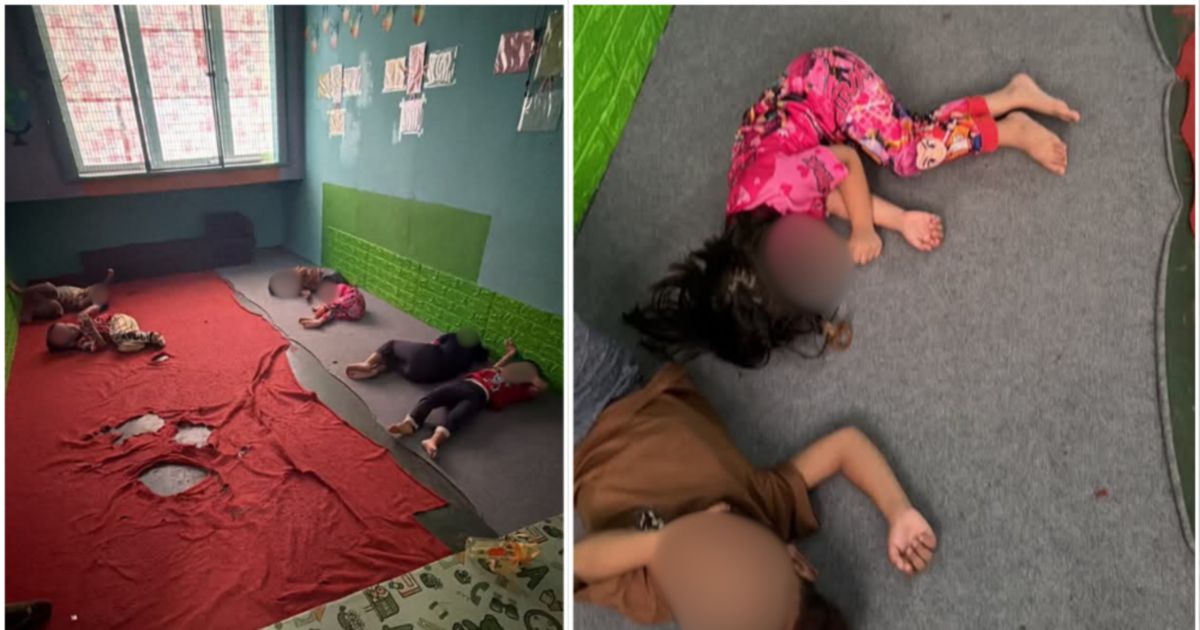
Police have launched a formal investigation into a childcare centre operating in Kuah, Langkawi, after receiving reports of severe child mistreatment including alleged food deprivation and confinement. The case represents a troubling breach of duty of care and has triggered fresh scrutiny of oversight mechanisms governing early childhood facilities across the country.
According to initial complaints, children at the facility were subjected to conditions that constitute potential criminal child abuse. Reports indicate that minors were allegedly deprived of adequate nutrition and confined to toilet facilities, raising serious questions about the adequacy of supervision and the physical and psychological well-being of vulnerable young people entrusted to institutional care. The specific allegations point to systematic maltreatment rather than isolated incidents of poor management.
The investigation signals a significant enforcement response from Malaysian authorities toward safeguarding standards in the childcare sector. Police involvement at this stage suggests the allegations have crossed a legal threshold warranting criminal examination, rather than remaining purely a regulatory or administrative matter. This escalation underscores the gravity with which authorities are treating the reported conduct.
Childcare centres in Malaysia operate under regulatory frameworks administered at both federal and state levels. The incident in Langkawi highlights potential gaps between regulatory requirements and actual operational practices in some facilities. Despite licensing requirements and inspection protocols, enforcement capacity remains unevenly distributed, particularly in smaller urban centres and island communities. The Langkawi case may expose systemic vulnerabilities in the sector's oversight architecture.
For Malaysian parents and caregivers, such incidents generate legitimate anxiety about the reliability of institutional childcare. While many facilities operate responsibly with trained staff committed to child welfare, high-profile cases of mistreatment erode confidence in the sector broadly. Parents must increasingly conduct thorough due diligence when selecting facilities, yet lack transparent access to regulatory compliance records or inspection histories in many jurisdictions.
The timing of this investigation occurs amid broader regional concerns about child welfare standards in informal and semi-formal care settings. Southeast Asian countries have documented similar cases, suggesting structural vulnerabilities across the region's rapidly expanding childcare industry. Economic pressures on facility operators, inadequate staff training, and insufficient regulatory resources create conditions where abuse can occur with minimal immediate detection or accountability.
Staff qualifications and working conditions within childcare facilities represent a crucial but often overlooked dimension of child safety. Low wages, minimal training requirements, and limited professional oversight can enable individuals unsuitable for child work to remain in positions of authority. Investigations into mistreatment typically reveal that perpetrators had minimal formal qualifications or concerning employment histories that should have precluded childcare work.
The Langkawi investigation may prompt state authorities to conduct broader compliance audits across registered facilities in Kedah. Such oversight reviews, while resource-intensive, can identify centres operating below acceptable standards before serious harm occurs. However, unregistered facilities operating informally remain largely beyond regulatory reach, potentially creating a two-tiered system where only formally registered centres face scrutiny.
For Malaysian policymakers, this incident reinforces the case for stronger regulatory frameworks governing childcare provision. Potential improvements might include mandatory background checks for all staff members, unannounced facility inspections, clear nutritional and hygiene standards with documented compliance, and accessible public complaint mechanisms. Additionally, training programmes emphasizing appropriate child management techniques and psychological development could raise professional standards across the sector.
The investigation outcome will likely influence discussions about childcare centre regulations and parental access to compliance information. If the allegations are substantiated, prosecutions could establish legal precedent regarding institutional accountability for child abuse. Beyond criminal proceedings, regulatory sanctions including facility closure and staff bans from childcare work would reinforce that serious breaches carry meaningful consequences.
For Langkawi residents and families affected by this facility, the investigation represents a necessary step toward accountability and justice. Broader implications extend to the region's childcare sector generally, where rapid expansion has sometimes outpaced regulatory development. This case underscores that protecting children's fundamental rights to nutrition, safety, and dignity in institutional settings requires sustained investment in regulatory capacity and political commitment to enforcement.
As authorities proceed with their investigation, attention will focus on institutional culpability alongside individual accountability. Questions about management knowledge of alleged mistreatment, facility ownership and oversight structures, and previous complaint histories may determine whether this incident reflected individual staff misconduct or systemic organisational failure. Such distinctions will shape appropriate remedial responses and inform future regulatory design.
The Langkawi investigation serves as a sobering reminder that Malaysia's rapid economic development and increasing female workforce participation have generated substantial demand for childcare services. Meeting this demand responsibly requires regulatory frameworks equal to the task, adequate government resources for oversight, and genuine consequences for serious violations. Ongoing scrutiny of such cases helps establish the institutional accountability necessary for safe, dignified early childhood care nationwide.

