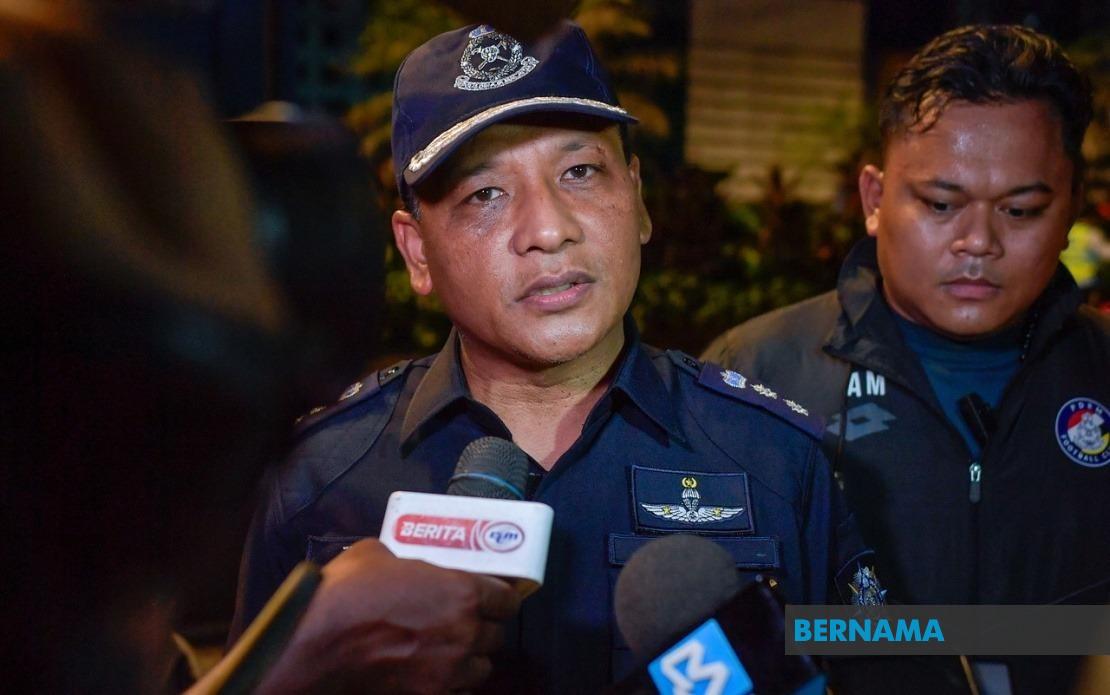
The investigation into a catastrophic vehicle collision in Kuala Lumpur that claimed three lives has progressed to the stage where prosecutors can now determine what criminal charges may be laid. The traffic incident, which occurred in the early morning hours on Jalan Sultan Ismail and involved an official Immigration Department truck, has been the subject of intense scrutiny by the Kuala Lumpur Traffic Investigation and Enforcement Department. Today, the lead investigator confirmed that the compiled findings will reach the Attorney General's Chambers tomorrow, where senior legal advisors will assess the evidence and recommend appropriate charges.
According to ACP Mohd Zamzuri Mohd Isa, who heads the traffic division, the progression to prosecution consideration follows detailed consultations with the Kuala Lumpur Prosecution Director. The investigation file will be presented to the Head of the General Crime and Public Order Division within the Attorney General's Chambers, accompanied by both the prosecution director and the investigating officer. This procedural step is standard in Malaysian legal practice when fatalities involve motor vehicles and potential breaches of public safety regulations. The decision-making process ahead will determine the severity and nature of charges that may be brought against those responsible.
The tragic incident unfolded when an empty Black Maria prisoner transport truck operated by Kuala Lumpur's Immigration Department crossed into a major intersection despite the traffic signal showing red. The vehicle, identifiable by its activated beacon and siren, had been heading toward Chow Kit to participate in an enforcement operation targeting individuals residing in the country unlawfully. At the moment of the collision, a Proton Saga sedan was proceeding lawfully through the same intersection with a green traffic light. The impact between these two vehicles proved devastating, causing the heavier truck to veer uncontrollably across the roadway before striking multiple pedestrians and colliding with a third vehicle, an Inokom Matrix.
The human cost of the collision reflects the severity of the accident's force and trajectory. Among those struck by the truck were Shaik Mohd Firdaus Shaikh Yahya, a 53-year-old man, and his two daughters, Siti Nor Sazlin aged 25 and Siti Darwisyah Auni aged only 12 years old. All three died at the scene or shortly thereafter from injuries sustained in the impact. Shaik Mohd Firdaus's wife, Norhayati Razali, 55, survived the collision but remains in critical condition within the Intensive Care Unit at Kuala Lumpur Hospital, where she faces a lengthy period of recovery from severe injuries.
Police have placed two drivers under arrest while investigations proceeded. The operator of the Immigration Department truck and the driver of the Proton Saga both received one-day remand orders to facilitate questioning about their conduct immediately prior to and during the collision. Investigators are examining the incident under Section 41(1) of the Road Transport Act 1987, a provision that addresses dangerous driving causing death or serious injury on Malaysian roads. The applicable legal framework carries significant penalties for violations, reflecting the gravity with which Malaysian law treats traffic offences that result in loss of life.
The circumstances surrounding the crash have raised important questions about operational protocols within government agencies and the risks associated with emergency vehicle movements through urban traffic. The decision by the Immigration Department truck to proceed through a red traffic light, even with emergency equipment activated, created conditions that led directly to the collision with the Proton Saga that held the right of way. Standard safety practices in most jurisdictions require that vehicles, regardless of emergency status, exercise caution at intersections and yield to vehicles with the legal right to proceed. This incident may prompt broader review of how government agencies manage their fleet operations in congested urban environments.
The referral of the case to the Attorney General's Chambers represents a critical juncture in the justice process. The prosecution team will scrutinise the investigative findings to determine whether the evidence supports charges of causing death by dangerous driving, negligence, or other applicable offences under Malaysian criminal law. The involvement of a government vehicle and personnel also introduces questions about institutional responsibility and whether organisational procedures or failures contributed to the tragedy. These considerations may influence the scope and nature of charges recommended by the Attorney General's office.
For Malaysian families and road users, this incident underscores the vulnerability that exists even when individuals are following traffic laws correctly. The family struck by the truck was lawfully crossing the intersection when the collision occurred, highlighting how external factors beyond a pedestrian's control can result in sudden, catastrophic harm. The tragedy has already prompted discussions about pedestrian safety at major intersections and whether additional measures, such as enhanced traffic management or physical barriers, might prevent similar incidents in high-risk locations.
The case also carries implications for how Malaysia's legal system addresses incidents involving government personnel and vehicles. Public agencies operate within the same legal framework as private citizens, and accountability mechanisms must function effectively to maintain public confidence. The investigation's progression toward prosecution represents an important signal that all road users, regardless of official status, remain subject to traffic laws. The Attorney General's office will need to ensure that the charging decision reflects both the seriousness of the outcome and the specific circumstances that led to the collision, setting a precedent for how similar cases are handled in future.
As the investigation file moves toward prosecutorial review, the focus shifts to what legal consequences will attach to those whose actions contributed to the deaths of three family members. The coming days will reveal whether the evidence supports charges sufficient to hold someone accountable under Malaysian law for the tragic loss of life. For Norhayati Razali, still recovering from her injuries, and for the extended family grieving the loss of three loved ones, the legal process represents both a search for justice and, potentially, answers about how such a preventable tragedy occurred.

