Indonesia's Soekarno-Hatta International Airport, the country's primary gateway for international travel, is confronting an alarming surge in narcotics trafficking, with authorities documenting more than 300 drug-related cases within the first seven months of the year. The frequency of interceptions has climbed to approximately two instances daily, underscoring the scale at which syndicates are exploiting one of Southeast Asia's most critical aviation hubs. The airport annually processes between 25,000 and 30,000 international passengers per day, providing traffickers with abundant cover and logistical opportunities to move contraband across borders.
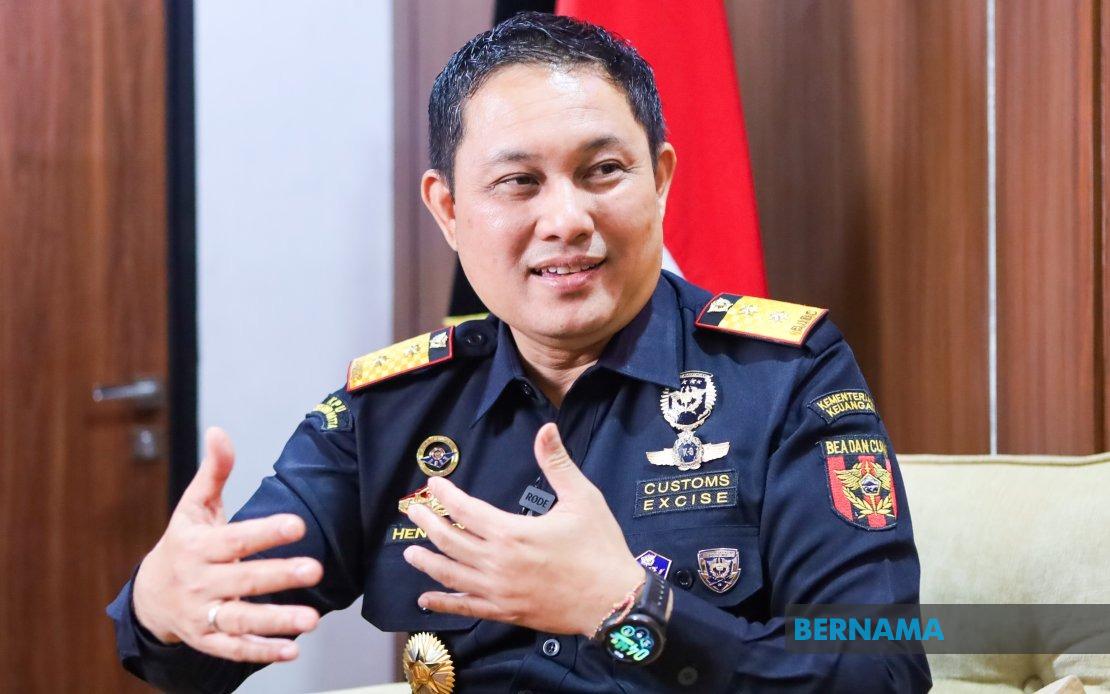
Hengky Tomuan Parlindungan Aritonang, who leads the Soekarno-Hatta Main Customs and Excise Office, attributes the volume of cases to the intensified enforcement presence at the facility rather than a sudden explosion in trafficking activity. His office has significantly ramped up vigilance, deploying advanced screening technologies and analytical methods to identify suspicious parcels and travellers. The head customs official acknowledges that the airport's role as a major international hub naturally concentrates trafficking attempts, as criminal networks view it as a strategic point where surveillance can be circumvented through careful planning and courier selection.
What distinguishes the current enforcement landscape is that drug smuggling at Soekarno-Hatta operates across a complex web of international routes and nationalities. The customs data Aritonang reviewed demonstrates that the nationality of an arrested courier frequently bears no relationship to the origin country of the drug shipment or the aircraft's departure point. Trafficking organizations deliberately obscure these connections by recruiting individuals whose profiles appear innocuous or whose backgrounds might reduce detection risk. Aritonang explained that couriers arrested during inbound flights from Malaysia or Thailand often turn out to be Indonesian nationals, suggesting that syndicates strategically position smugglers to exploit expected enforcement patterns and reduce scrutiny based on assumed origin points.
The operational sophistication of trafficking networks becomes evident when examining how they exploit major transit hubs across the region. Malaysia, Thailand, and Hong Kong function not merely as source countries but as crucial intermediary points where drugs are consolidated, repackaged, and distributed to new couriers bound for alternate destinations. This transshipment model allows syndicates to compartmentalize supply chains, ensuring that the disruption of any single route does not compromise their entire operation. By continuously rotating personnel across nationalities and flight patterns, trafficking organizations maintain operational continuity while complicating law enforcement's ability to establish causal links between seized goods and originating sources.
Recent high-profile arrests involving Malaysian nationals have intensified regional attention on Soekarno-Hatta's drug interdiction efforts. A Malaysian commercial pilot was apprehended last week following the seizure of approximately 25 kilogrammes of MDMA at the airport, representing one of the year's most significant busts by weight and notoriety. Separately, another Malaysian citizen was detained at Juanda International Airport near Surabaya after authorities discovered 990 grammes of methamphetamine and 1,089 ecstasy pills allegedly concealed on his body. Most recently, three Malaysian women were arrested at Soekarno-Hatta after customs officials uncovered suspected MDMA, cocaine, and ketamine in their possession. The clustering of Malaysian-connected arrests within a compressed timeframe has inevitably raised questions among travellers from the region regarding enforcement patterns.
Aritonang has moved to address concerns that Malaysian nationals or citizens of specific countries are being subjected to heightened scrutiny or discriminatory treatment. He emphasized that customs screening protocols operate according to standardized, data-driven procedures that remain entirely divorced from considerations of nationality, ethnicity, or physical appearance. The screening process relies fundamentally on imaging technology, pattern recognition derived from intelligence databases, and risk assessment algorithms that evaluate baggage and traveller behaviour without human bias entering decision-making. When anomalies appear on X-ray scans, officers investigate regardless of whose luggage triggered the alert, meaning that the system theoretically provides equal protection to all travellers while maintaining equivalent enforcement rigor against all suspect shipments.
The pilot case particularly captured public attention in Indonesia not primarily because the suspect held Malaysian citizenship, but rather due to the exceptional nature of his profession within the context of narcotics trafficking. Aritonang noted that pilots undergo extensive licensing procedures, rigorous medical examinations, comprehensive background checks, and continuous regulatory oversight that render them among the most thoroughly vetted professionals in any nation's workforce. The deliberate recruitment of an individual operating under such institutional scrutiny suggests that trafficking syndicates are actively pursuing strategies designed to exploit law enforcement's assumptions regarding which categories of people are unlikely to engage in smuggling. By targeting individuals whose professional standing seemingly insulates them from suspicion, criminal networks attempt to circumvent the very enforcement logic that authorities depend upon for risk assessment.
The types of substances intercepted at Soekarno-Hatta reflect contemporary patterns of synthetic drug production and international demand. Psychotropic substances, etomidate, and methamphetamine account for the majority of smaller seizures by quantity, indicating that numerous individual couriers attempt to transport modest quantities into Indonesia. However, when authorities calculate total seizures by weight, methamphetamine and MDMA dominate, suggesting that organized syndicates employ larger shipments when deploying networks of couriers or when exploiting less monitored transit methods. Customs officials have also identified a growing smuggling methodology involving air cargo shipments, where narcotics are concealed within commercial parcels and routed through legitimate shipping channels. Investigators must first identify intended recipients within Indonesia before working backward to locate senders, adding investigative complexity to what appears initially as ordinary freight.
The geographic origins of intercepted drugs paint a picture of established supply chains connecting multiple Southeast Asian production and transshipment centers to Indonesian markets. Thailand, Spain, Malaysia, and Singapore have emerged as primary source countries for detected narcotics, though the appearance of Spanish-origin shipments indicates that international trafficking networks link Southeast Asian distribution hubs to European production facilities and vice versa. This geographic diversity underscores that Indonesian drug enforcement must operate within genuinely globalized criminal markets where production occurs in one region, transshipment in another, and final consumption in yet another. No single border control point can effectively address trafficking that benefits from orchestrated networks spanning continents, multiple supply chains, and layered distribution mechanisms.
For Malaysian travellers and business professionals, the recent enforcement activity at Soekarno-Hatta and other major Indonesian airports carries implications extending beyond immediate concerns about detention. The visible increase in drug busts involving Malaysian citizens may reflect genuine intensification of Malaysian participation in trafficking schemes, heightened enforcement visibility that captures previously undetected activity, or coincidental clustering of arrests within a brief period. Aritonang's assurance regarding non-discriminatory screening procedures carries weight given Indonesia's reliance on sophisticated technology and international intelligence sharing, yet Malaysian travellers should remain cognizant that major trafficking routes now receive elevated attention. For legitimate travellers, this heightened vigilance theoretically provides enhanced security, as law enforcement capacity devoted to narcotics interdiction reduces the overall drug presence within Indonesian communities and transit corridors.
The broader implications for Southeast Asian governments involve coordinating enforcement responses across national borders while respecting sovereignty constraints. Individual airports cannot unilaterally solve trafficking problems that originate upstream in production facilities or dispersal networks controlled from external jurisdictions. Indonesia's success in interdicting substantial quantities at Soekarno-Hatta demonstrates enforcement capacity but simultaneously reflects that trafficking continues at volumes sufficient to sustain criminal enterprise despite significant interception rates. Regional cooperation mechanisms that enable intelligence sharing, coordinated enforcement against known syndicates, and harmonized penalties for trafficking might address root causes more effectively than airport-based screening alone. As Aritonang's office continues processing approximately two cases daily, the underlying question facing Indonesian policymakers involves whether interdiction strategies should intensify further or whether alternative approaches targeting supply-side production and demand-side consumption might prove more cost-effective.

