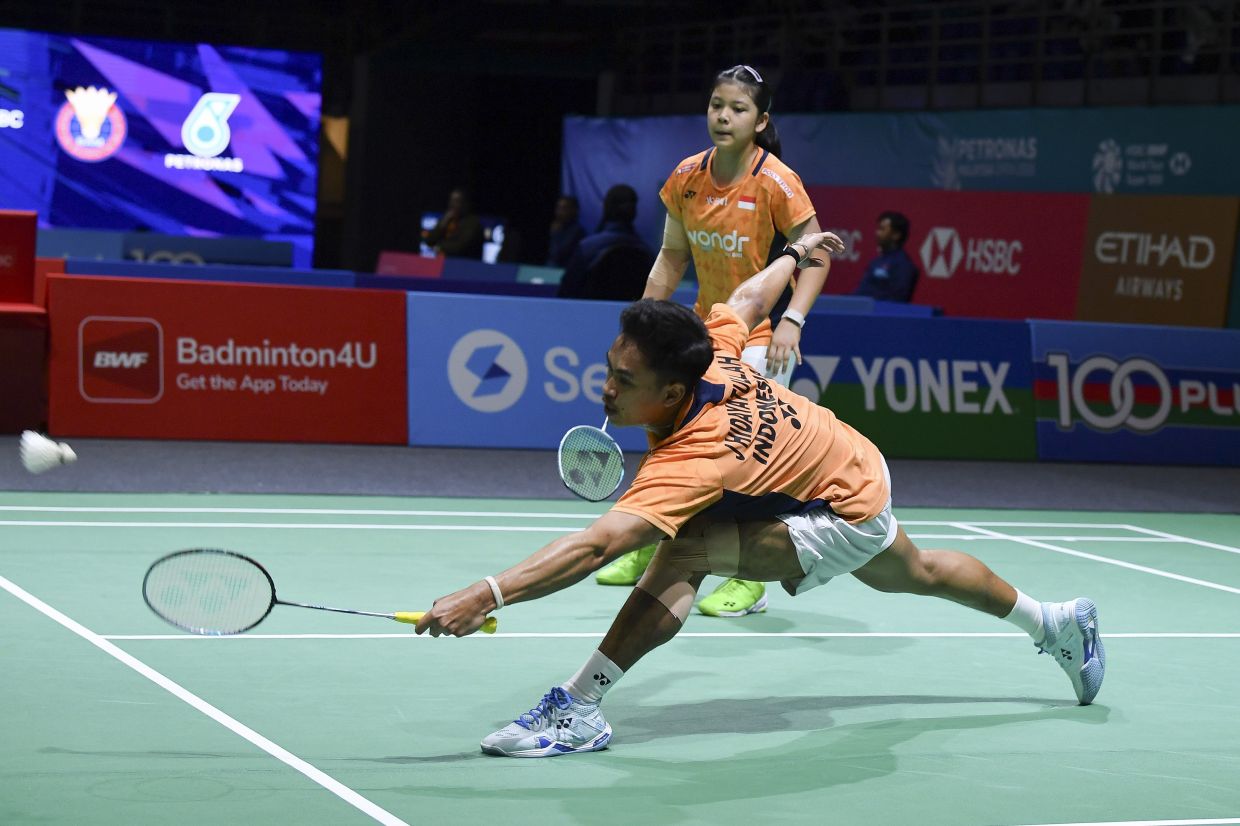
Indonesia's world No. 13 mixed doubles pair Jafar Hidayatullah and Felisha Pasaribu have withdrawn from the upcoming World Championships, a decision that has cast a shadow over the sport in the Southeast Asian nation. The move comes as the Badminton World Federation pursues an independent investigation into alleged integrity breaches involving multiple Indonesian players, though the Indonesian Badminton Association (PBSI) has stopped short of formally connecting the pair to the probe.
The PBSI announced the withdrawal of both Jafar-Felisha and fellow mixed doubles competitors Adnan Maulana and Indah Cahya Sari Jamil as part of what the association characterised as adjustments to Indonesia's squad composition for the World Championships. However, the carefully worded statement from PBSI secretary-general Ricky Soebagdja conspicuously avoided explaining the specific reasons driving the roster changes, leaving observers to draw their own conclusions about whether the withdrawals are precautionary measures or something more substantive.
The timing and circumstances of these withdrawals suggest a complex situation unfolding behind the scenes. Adnan-Indah withdrew on July 13, followed nearly three weeks later by Jafar-Felisha on July 29. The staggered nature of the announcements, combined with the absence of transparent communication from PBSI, has inevitably fuelled public speculation about the depth and scope of the match-fixing allegations affecting Indonesian badminton at a critical moment for the sport's reputation in the region.
Indonesia's badminton pedigree has long been a source of national pride, with the country boasting a rich tradition of producing world-class players across multiple categories. The emergence of integrity concerns threatens to undermine decades of achievement and investment in developing local talent. For Malaysian badminton observers and officials, this situation serves as a cautionary tale about the vulnerability of even established sporting cultures to corruption and the importance of robust governance frameworks.
The Badminton World Federation's decision to launch independent judicial proceedings reflects growing global concern about match-fixing in badminton, a sport that has attracted significant betting activity in certain markets. The federation's willingness to investigate and pursue cases demonstrates a commitment to protecting the sport's credibility, though the process has inevitably created uncertainty and disruption for athletes caught in the institutional machinery of such probes.
PBSI's public statements emphasise compliance with international regulations and full cooperation with the BWF's investigation mechanisms. The association has explicitly pledged respect for the independence of the ongoing proceedings and urged all stakeholders, including media and public commentators, to await the formal decision from the BWF Independent Hearing Panel before drawing conclusions. This measured approach attempts to balance accountability with the principle of fairness to the athletes involved.
Despite the withdrawals of two pairs, Indonesia maintains a competitive presence at the World Championships through alternative representatives. Amri Syahnawi and Nita Violina Marwah will lead Indonesia's mixed doubles contingent, while Rehan Kusharjanto and Gloria Widjaja have been elevated from the reserve roster to fill the gap left by the withdrawals. This continuity ensures that Indonesia's badminton programme remains visible on the international stage, though questions about the strength and depth of the national mixed doubles pipeline have inevitably surfaced.
The investigation highlights structural vulnerabilities in badminton that extend beyond Indonesia. Southeast Asian countries, where badminton enjoys passionate followings and substantial betting markets, face particular challenges in combating match-fixing. The sport's rapid pace, large number of matches, and the possibility of influencing outcomes through relatively discrete actions create opportunities for corrupt actors to operate. Malaysia, with its own thriving badminton ecosystem and exposure to similar pressures, must view Indonesia's troubles as relevant to its own integrity safeguarding efforts.
For international badminton stakeholders, the unfolding situation in Indonesia underscores the necessity of consistent enforcement of anti-corruption standards across all member nations. The BWF's investigation signals that no country, regardless of its badminton standing or historical contributions to the sport, is beyond scrutiny when integrity concerns emerge. This precedent may shape how other national associations approach their own governance and monitoring responsibilities going forward.
The financial and reputational implications for PBSI extend beyond the immediate World Championships. Match-fixing investigations can damage sponsorship relationships, athlete recruitment efforts, and public confidence in the sport. Indonesian badminton authorities will need to demonstrate not only their cooperation with international investigations but also their commitment to implementing domestic safeguards that prevent future breaches. How PBSI responds to this crisis may ultimately determine whether Indonesian badminton emerges from the episode with its institutional credibility restored or further diminished.
As the BWF Independent Hearing Panel prepares to issue its decision, the badminton community across Southeast Asia watches closely. The outcome will carry implications for how integrity breaches are addressed, what sanctions are appropriate, and whether players can expect consistent application of rules regardless of their country or ranking. Until the panel concludes its work, uncertainty will continue to shadow Indonesian badminton's international efforts and domestic reputation.

