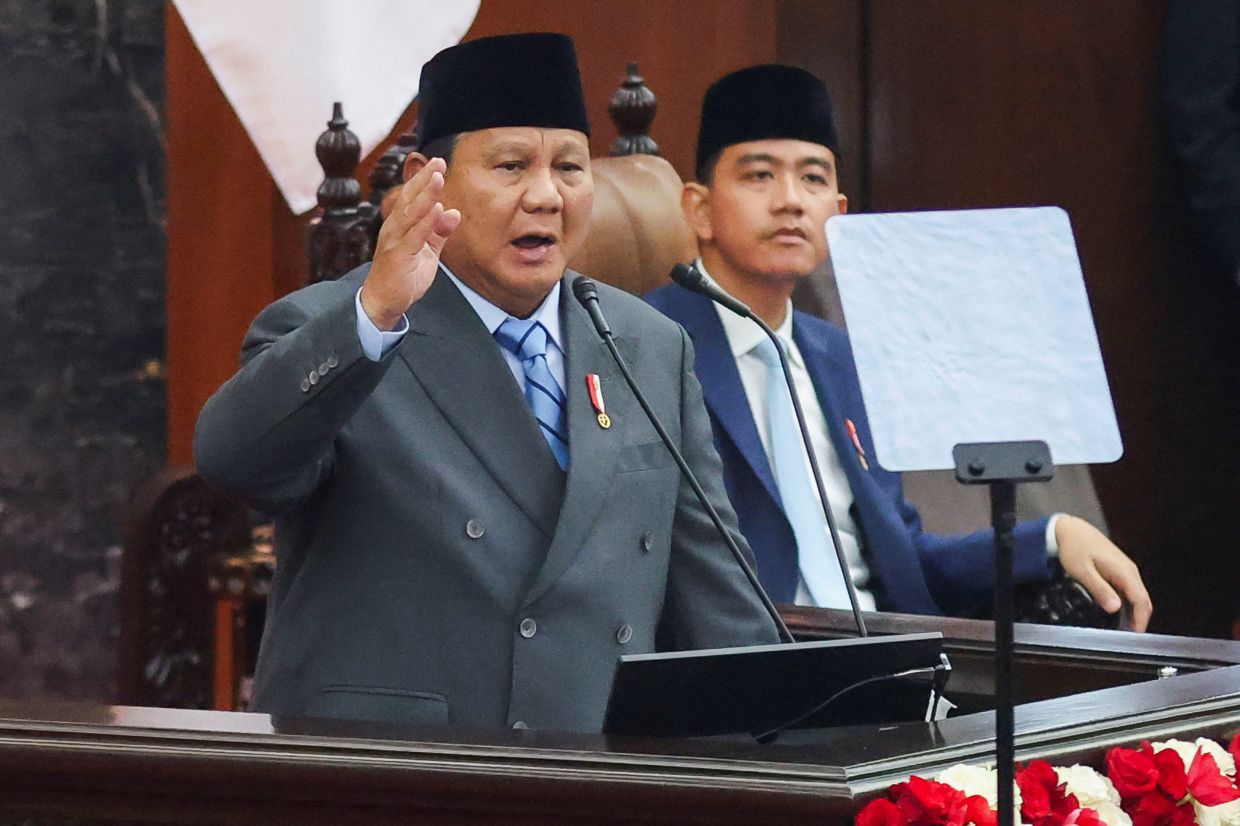
Indonesia's government is embarking on an unprecedented corporate restructuring initiative that could reshape the country's vast state-owned enterprise sector. President Prabowo Subianto announced Friday that his administration intends to close more than 750 state enterprises by year-end, a sweeping purge he characterised as potentially the largest corporate overhaul globally. The move reflects deep frustration with decades of inefficiency, mismanagement, and opacity within state-controlled companies that have drained government resources while frequently reporting inflated profitability figures.
The scale of the undertaking became apparent only after the establishment last year of Indonesia's Danantara sovereign wealth fund, tasked with consolidating state asset management. Officials initially believed the country operated roughly 300 to 400 state enterprises, yet the comprehensive audit revealed the actual figure reached 1,074 entities operating with varying degrees of efficiency and accountability. This discovery underscores the extent to which Indonesia's sprawling bureaucracy has expanded without proper coordination or oversight, allowing numerous zombie companies to persist on the state payroll despite contributing minimal economic value.
The restructuring target is ambitious yet achievable based on current progress. Approximately 290 enterprises have already been shuttered, positioning the government to meet its goal of reducing the total population to no more than 300 by year-end. Prabowo emphasised that only genuinely productive firms creating meaningful value for the population would survive the cull, while those merely consuming resources would face elimination. The president framed the initiative not as a cost-cutting exercise alone but as a fundamental recalibration of how state assets serve national interests rather than individual board members' enrichment.
Financial gains from the restructuring have already materialised, demonstrating tangible benefits. The initiative has generated approximately 50 trillion rupiah, exceeding $2.8 billion, in annual overhead savings by eliminating redundant director and commissioner salaries, unnecessary office space rentals, vehicle fleets, and excessive business travel budgets. The government targets additional savings exceeding 70 trillion rupiah for the current year as further consolidation proceeds. These figures reveal the staggering waste embedded within Indonesia's state enterprise system—money that could instead fund education, healthcare, or infrastructure development benefiting ordinary citizens.
Corruption within state enterprises remains a persistent institutional challenge that the restructuring alone cannot fully address. Prabowo signalled his intention to establish a special ad hoc tribunal to investigate decades of mismanagement and fraud within state enterprise governance structures, potentially reaching back thirty years. The proposal reflects acknowledgment that merely closing underperforming companies leaves past wrongdoing unexamined and potentially unpunished. However, the president tempered this accountability push by suggesting a possible amnesty programme for officials willing to cooperate and reform, a pragmatic concession recognising that Indonesia's judicial capacity and political appetite for mass prosecutions remain limited.
Indonesia's governance challenges extend beyond state enterprises. The nation scored a concerning 34 out of 100 on Transparency International's 2025 Corruption Perceptions Index, placing it among Southeast Asia's more problematic performers on graft metrics. Public anger over corruption intersects with broader grievances concerning rising living costs, elevated oil prices stemming from Middle East tensions, and insufficient government action addressing citizen welfare. These interconnected anxieties have fuelled street protests and eroded public confidence in institutional integrity, making Prabowo's restructuring initiative politically essential regardless of economic considerations.
A signature policy attracting particular scrutiny is Prabowo's free school meals programme, itself historically plagued by implementation inefficiencies and alleged embezzlement. Despite criticism, the president reaffirmed commitment to the initiative while pledging improvements in execution and cost management. He emphasised that Indonesia cannot tolerate its current situation where one in four children suffer stunting, a malnutrition indicator reflecting both poverty and programme failure. The pledge to maintain but improve the meals scheme reflects political pressure to demonstrate concrete commitment to combating child malnutrition while simultaneously addressing legitimate concerns regarding wasteful expenditure.
Economic growth projections underpin the broader restructuring strategy. Prabowo expressed confidence that gross domestic product would reach 6.0 per cent by end-2026, supporting the administration's capacity-building narrative. Second-quarter 2024 growth registered 5.3 per cent, following 5.6 per cent in the first quarter, though international analysts repeatedly express scepticism regarding Indonesia's official statistics. The president insisted that economic expansion and investment represent mere instruments toward achieving genuine prosperity, not ends in themselves, framing the state enterprise purge as integral to ensuring that every rupiah of government investment generates employment and improves living standards for Indonesia's poorest citizens.
The regional implications of Indonesia's restructuring merit consideration for Southeast Asian policymakers confronting similar state enterprise proliferation. Southeast Asia's largest economy wrestling with institutional inefficiency and corruption serves as both cautionary example and potential model. How successfully Indonesia executes this consolidation while maintaining social stability could influence whether neighbouring states attempt comparable corporate restructuring initiatives. Malaysia, the Philippines, Thailand, and Vietnam all maintain substantial state enterprise sectors that occasionally face comparable criticisms regarding productivity and accountability, suggesting that Indonesia's experience will generate considerable regional attention.
Successful implementation faces significant hurdles beyond technical restructuring challenges. Labour displacement from closed enterprises could generate political backlash, particularly if government retraining programmes prove inadequate. Regional interests benefiting from existing state enterprise arrangements may resist consolidation through bureaucratic obstruction or political pressure. Most fundamentally, genuine structural reform requires sustained political commitment extending beyond Prabowo's tenure, yet institutional inertia and entrenched interests have historically neutralised Indonesian reform initiatives. The coming months will reveal whether this latest restructuring attempt represents genuine transformative change or merely another cyclical promise of reform that gradually dissipates.

