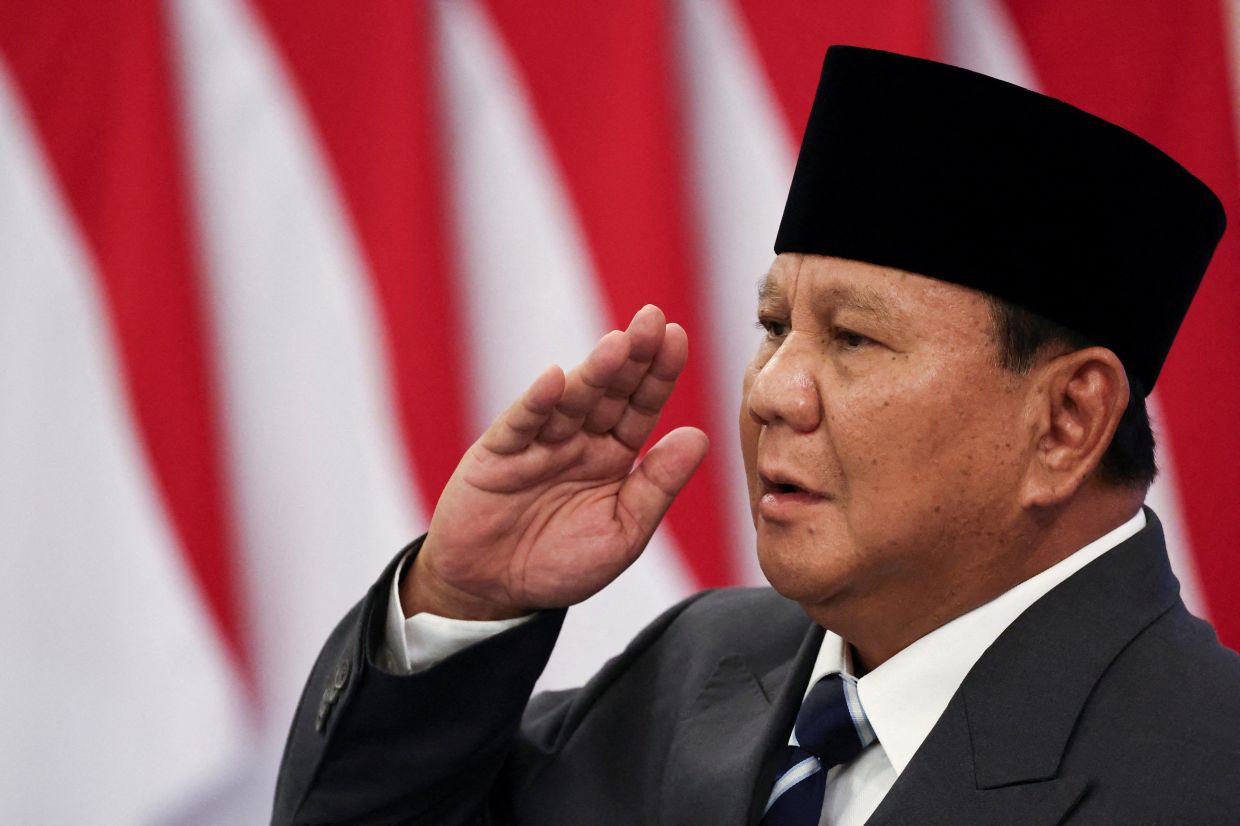
Indonesia's defence ministry has announced substantial modifications to its basic military training programme for prospective village cooperative managers, responding to public outcry after five participants died during the initial phase of President Prabowo Subianto's ambitious rural economic initiative. The restructuring represents a significant shift in approach for what was envisioned as a character-building component of the "Red and White Cooperatives" project, which aims to transform Indonesia's village economy through grassroots entrepreneurship and employment creation.
The deaths, which occurred between June 17 and June 26, prompted urgent intervention from Indonesia's human rights commission and sparked widespread concern about the mandatory nature of the training requirement. Participants succumbed to various medical conditions including cardiac arrest, heat stroke, tuberculosis and pneumonia—conditions the defence ministry had initially claimed would not be aggravated by the training, which the ministry characterised as involving only light physical activity. The timing of these fatalities, occurring within just ten days of the programme's June 14 launch, exposed inconsistencies in the ministry's safety assessments and raised questions about the adequacy of pre-training medical screening protocols.
Defence Ministry spokesperson Rico Sirait outlined the revised training framework in comments to Reuters, confirming that military-specific content has been substantially pruned from the curriculum. Shooting exercises, combat tactics, and technical military instruction have been entirely removed, fundamentally altering the nature of a programme that was originally conceived as a militarised initiative. The physical demands have been recalibrated to accommodate the civilian backgrounds of the nearly 35,000 participants enrolled across multiple regional military training facilities, acknowledging that village cooperative managers require a different skill profile than military personnel.
The restructured curriculum now emphasises soft skills and institutional values rather than martial competencies. Character development, workplace discipline, leadership fundamentals, and collaborative partnership building have become the core pedagogical objectives. This reorientation suggests a recognition that the original militarised approach was fundamentally misaligned with the actual professional requirements of cooperative management, where interpersonal communication, business acumen, and community engagement matter far more than tactical knowledge.
The "Red and White Cooperatives" initiative itself represents a cornerstone of Prabowo's economic development strategy, with the government targeting the establishment of approximately 80,000 village-based cooperatives by the programme's maturation. These cooperatives are structured to serve as distribution networks for subsidised agricultural inputs including fertiliser and cooking gas, while simultaneously operating as retail outlets for essential commodities. The employment and economic multiplier effects are intended to contribute meaningfully toward the administration's ambitious 8% gross domestic product growth target by 2029—a threshold that would require sustained, broad-based economic expansion across both urban and rural sectors.
The cooperative model reflects broader policy thinking about rural economic inclusion in Southeast Asia's largest economy. Village cooperatives have historically functioned as instruments of social stability and community cohesion in Indonesian society, but the Prabowo administration appears intent on leveraging these structures as vehicles for rapid commercial development and poverty reduction. Success depends critically on identifying and training capable managers who understand both cooperative principles and market dynamics, making the quality of the preparatory programme essential to overall project viability.
The deaths and subsequent training modifications have implications extending beyond immediate safety concerns. They expose tensions between military institutional culture and civilian economic administration, suggesting that defence ministry oversight of civilian personnel development may be inappropriate regardless of stated intentions. Indonesia's human rights commission, in calling for termination of the military training component, articulated concerns that extend beyond accident prevention to encompass questions about the militarisation of civilian governance structures and the coercive nature of mandatory military exposure for programme participants.
For Malaysian observers, the Indonesian experience offers instructive lessons about integrating military institutions into civilian economic programmes. While Malaysia has various military-affiliated enterprise development initiatives, the Indonesian case demonstrates the risks of imposing rigid military protocols and physical demands on civilian participants, particularly when medical screening fails to account for underlying health vulnerabilities in diverse populations. The adjustment of training intensity based on participant backgrounds represents an overdue acknowledgment of such realities.
The training programme's duration extends through July 31, providing the defence ministry a narrow window to successfully implement the revised approach and establish its credibility before the next cohorts commence training. The ministry's capacity to demonstrate that the restructured programme delivers the character and leadership development it promises while maintaining participant safety will significantly influence broader public confidence in the cooperative initiative itself. Any further fatalities would likely prove politically unsustainable and could jeopardise the entire project timeline.
Indonesia's willingness to substantially modify the programme in response to documented fatalities and civil society pressure reflects a degree of institutional responsiveness, though critics argue the deaths themselves represent a preventable failure of initial planning and risk assessment. The question of whether the current restructured training model provides genuine value to cooperative managers, or whether the military training component should be entirely eliminated in favour of conventional civilian business and management education, remains contested among policy analysts and development experts.

