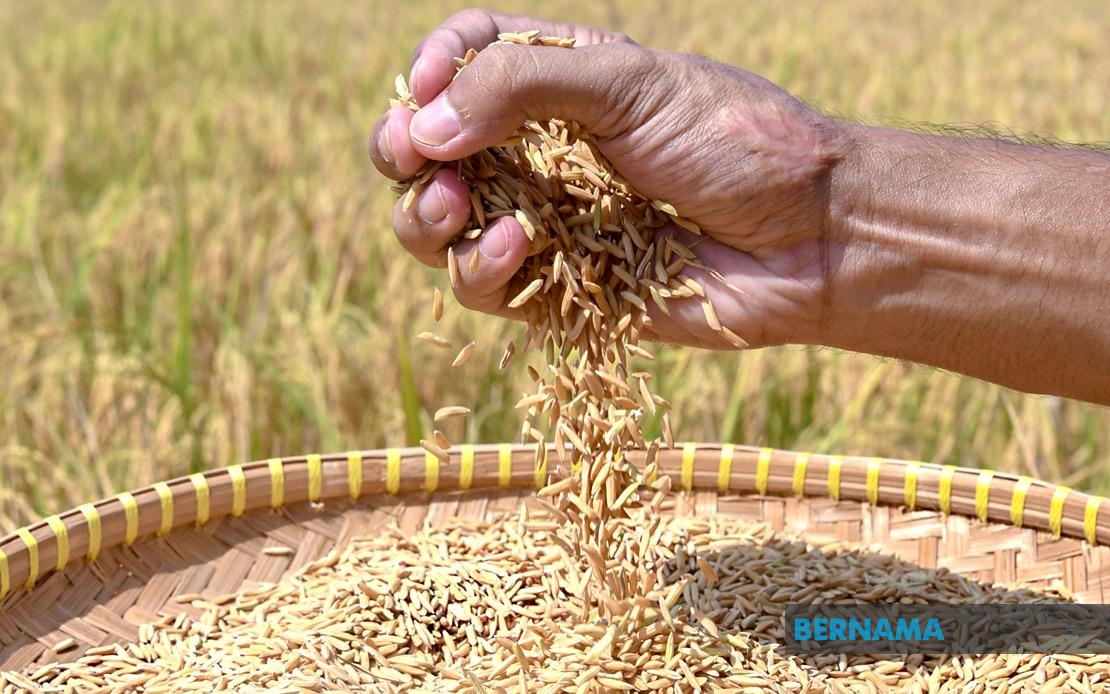
Indonesia's state-owned logistics company Bulog is actively pursuing rice export arrangements with both Malaysia and Singapore, marking a significant shift in the region's food supply dynamics as Southeast Asian nations work to strengthen intra-regional trade relationships. The discussions, which remain focused on establishing mutually acceptable pricing structures and commercial conditions, represent Jakarta's effort to position itself as a reliable rice supplier for neighbouring economies facing their own agricultural challenges.
Bulog President Director Ahmad Rizal Ramdhani outlined the current status of negotiations, noting that the agency continues to maintain regular contact with both countries while awaiting Malaysia's confirmation of readiness to host an Indonesian delegation. The sequencing of these high-level talks is crucial, as Bulog requires clear signals from Malaysia regarding its preparedness before committing senior representatives to face-to-face negotiations. Ramdhani emphasised that the delay reflects procedural requirements rather than fundamental disagreement, with both parties maintaining constructive engagement on the proposed commercial framework.
The Malaysian component of these negotiations concerns a potential shipment of 200,000 tonnes of rice, making it a substantial agreement that could significantly impact both nations' food security strategies. Malaysia, heavily reliant on rice imports to meet domestic consumption and strategic reserves, has long sought diversified sourcing arrangements beyond its traditional suppliers. The proposed volume represents a meaningful contribution to Malaysia's annual rice requirements, though finalising the arrangement hinges on reaching consensus regarding price points that satisfy both Indonesian producers and Malaysian consumers.
Simultaneously, Indonesia is pursuing a separate but related export initiative with Singapore, which involves significantly smaller quantities of 10,000 tonnes. Though numerically modest compared to the Malaysian proposal, this arrangement carries symbolic importance as Singapore traditionally imports rice from multiple Asian producers. The Singapore discussion gained momentum following bilateral talks between Indonesia's Agriculture Minister Andi Amran Sulaiman and Singapore's Sustainability and the Environment Minister Grace Fu, conducted in Jakarta on June 29. Such ministerial-level engagement signals serious intent from both governments to advance the commercial negotiations.
Price considerations dominate current discussions, reflecting the delicate balance Indonesia must maintain between competing economic objectives. Jakarta faces pressure to offer competitive export prices that attract Malaysian and Singaporean buyers while simultaneously ensuring that domestic farmers receive fair compensation that protects their livelihoods. This tension between commercial competitiveness and domestic agricultural support has become increasingly prominent in regional trade discussions, as governments weigh short-term foreign exchange earnings against long-term food production sustainability.
President Prabowo Subianto has personally injected strategic guidance into these negotiations, instructing Bulog that any rice export agreements must incorporate mechanisms to safeguard Indonesian farmers' interests and advance the nation's broader economic agenda. This presidential directive ensures that rice export deals serve purposes beyond simple commodity transactions, functioning instead as tools for advancing Indonesia's regional diplomatic standing and economic positioning. The emphasis on protecting farmers reflects awareness within Jakarta's leadership that agricultural communities form a crucial political constituency while also being vulnerable to market volatility.
The timing of these negotiations occurs within a broader regional context of food security concerns and supply chain vulnerabilities that have persisted since the global pandemic and ongoing geopolitical tensions. Southeast Asian nations have grown increasingly attentive to diversifying their food import sources, reducing dependence on any single supplier, and strengthening intra-regional supply arrangements. Indonesia's rice export initiatives directly address these concerns, offering neighbouring countries alternative sourcing options while simultaneously generating valuable export revenue for Jakarta.
For Malaysian policymakers, securing access to Indonesian rice supplies represents a practical step toward reducing import costs and diversifying supplier relationships beyond traditional sources. Malaysia's rice production capacity remains insufficient to meet domestic demand, necessitating annual imports of several million tonnes. Establishing direct commercial relationships with Indonesia, a geographically proximate major rice producer, offers logistical advantages including reduced transportation times and costs compared to sourcing from more distant suppliers.
Singapore's participation in these discussions, despite its modest import volumes, reflects the city-state's strategic approach to food security. Singapore maintains relatively small agricultural capacity and must depend entirely on imports for rice supplies, making diversified sourcing particularly important for national resilience. The government's engagement through the Sustainability and the Environment Ministry indicates that food security considerations are being elevated within Singapore's broader sustainability framework.
The commercial negotiations currently centre on establishing price points that account for production costs, international market conditions, transportation expenses, and acceptable profit margins for both exporters and importers. These discussions require technical expertise from Bulog representatives and their counterparts in Malaysian and Singaporean purchasing agencies. The complexity of negotiating fair prices while accommodating different economic priorities explains why establishing precise commercial terms typically requires sustained dialogue rather than rapid agreement.
Indonesia's position as a major rice producer provides substantial leverage in these negotiations, though the nation's own domestic rice requirements remain significant. Balancing export ambitions against domestic food security concerns requires careful calculation by policymakers. Recent years have seen Indonesia occasionally restricting rice exports to maintain domestic supplies, demonstrating the government's prioritisation of internal food security over foreign exchange earnings when necessary.
The outcome of these negotiations could establish important precedents for future bilateral trade arrangements within Southeast Asia. Success in reaching acceptable commercial terms with Malaysia and Singapore might encourage similar discussions with other regional partners facing rice supply challenges. Conversely, difficulties in reaching agreement could reflect underlying structural challenges in regional trade that extend beyond immediate commercial factors to encompass broader questions of agricultural policy, food security strategy, and economic priorities.
As these discussions progress, close attention will focus on whether Malaysia and Singapore can align their domestic considerations with Indonesia's requirements. The coming weeks will indicate whether the preliminary engagement translates into concrete export agreements or whether fundamental disagreements regarding pricing and terms prevent formal deals from materialising.

