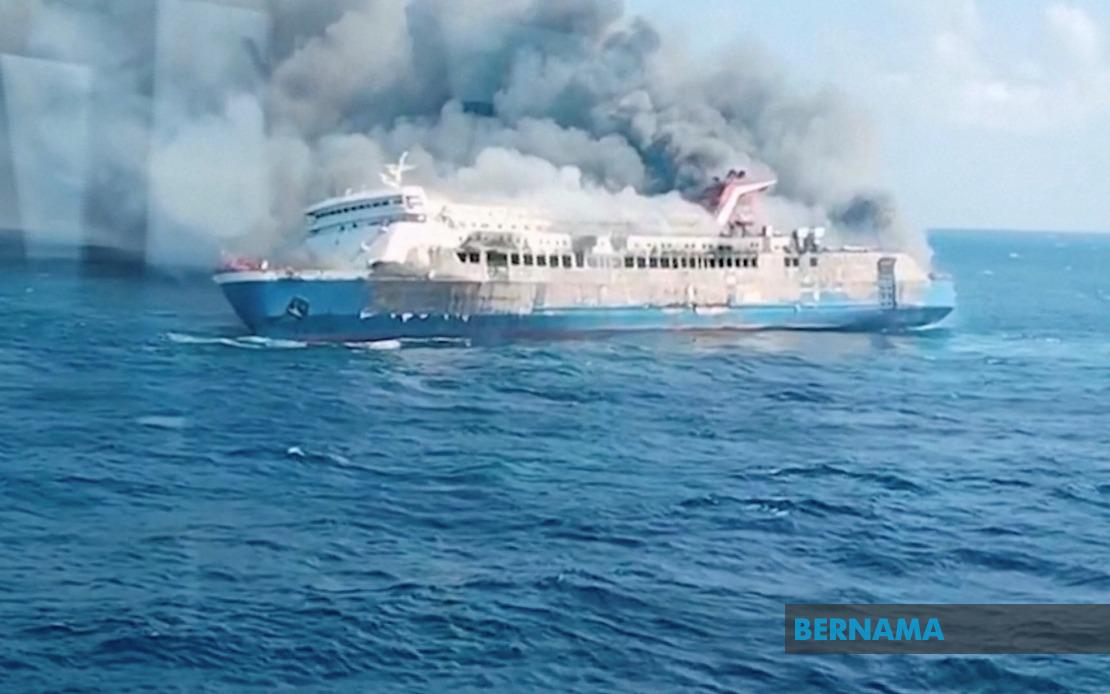
Indonesia's maritime safety came under scrutiny once again following a catastrophic fire aboard the KMP Mutiara Santosa 2 off the coast of Sumenep, Madura, on August 2. The incident claimed at least five lives, with 41 passengers and crew members unaccounted for, highlighting persistent risks facing travellers on inter-island routes across the archipelago.
The vessel, operating as a commercial passenger ferry between Surabaya and Makassar, was carrying a combined total of 271 people comprising 232 passengers and 39 crew members when the emergency unfolded in the morning. According to Nanang Sigit, Chief of the Surabaya Search and Rescue Office, his team received notification of the incident at 8.24 am local time and immediately mobilised response resources. By 4 pm the same day, rescue personnel had successfully evacuated 225 individuals from the stricken vessel, though the fate of the remaining passengers remained uncertain.
Eyewitness accounts paint a harrowing picture of the disaster's final moments. Nanang reported that flames consumed virtually the entire ship, forcing terrified passengers to congregate on the bridge and forward sections as they awaited rescue assistance. The intensity of the fire left little time for orderly evacuation procedures, with some desperate travellers choosing to leap overboard rather than remain aboard the burning structure. Fortunately, nearby fishing vessels and passing boats responded rapidly to distress calls, plucking several swimmers from the water and delivering them to safety.
The scale of the rescue operation reflects the severity of the situation. Multiple government agencies and maritime authorities coordinated their efforts, deploying numerous vessels, helicopters, and trained personnel to comb the waters surrounding the incident site. Search and rescue teams worked methodically through the afternoon and into the following hours, navigating challenging sea conditions while attempting to locate missing passengers. The deployment of such extensive resources underscores official recognition of the catastrophic nature of the event.
For Malaysian readers, this incident carries particular resonance given the shared maritime geography and ferry services connecting Peninsular Malaysia with eastern Sabah and Sarawak. Indonesian inter-island routes handle millions of passengers annually, with many Malaysian travellers utilising these services for business and tourism. The KMP Mutiara Santosa 2 disaster raises uncomfortable questions about vessel maintenance standards, safety equipment functionality, and crew preparedness protocols across regional shipping operators.
The investigation into the fire's origin remained ongoing at the time of official announcements, with authorities declining to speculate on preliminary causes. Maritime fires aboard passenger vessels typically originate from mechanical failures, electrical malfunctions, fuel system ruptures, or cargo-related incidents. Understanding the root cause becomes crucial for preventing similar tragedies and establishing whether systemic deficiencies exist within Indonesia's merchant marine sector.
Indonesia's archipelagic geography necessitates extensive reliance on maritime transport, with tens of thousands of ferries operating daily between islands. This structural dependence on sea travel creates an enormous responsibility for ensuring vessel seaworthiness and crew competency. Previous ferry disasters in Indonesian waters have resulted in legislative reforms and enhanced safety protocols, yet accidents continue to occur with distressing regularity. The August 2 incident suggests that either implementation gaps exist or vessel operators remain insufficiently incentivised to maintain highest safety standards.
The human cost of maritime disasters extends far beyond immediate casualty figures. Families of missing persons face agonising uncertainty whilst awaiting confirmation of their loved ones' fates. Survivors often suffer lasting psychological trauma from their near-death experiences. Communities depending on inter-island ferry services become increasingly anxious about travelling, potentially disrupting commerce and social connectivity across the region.
Regional maritime safety organisations, including those coordinating with Malaysian authorities, will likely scrutinise this incident's circumstances closely. Information sharing between nations regarding vessel safety compliance, crew certification standards, and emergency response procedures helps establish collective safety improvements. Southeast Asian maritime authorities must continue strengthening regulatory frameworks and enforcement mechanisms to protect the millions of passengers who traverse regional sea routes annually.
The incident also highlights infrastructure challenges facing developing maritime nations. Upgrading fire suppression systems, navigational equipment, and communication technology requires substantial capital investment. Smaller operators may lack resources for comprehensive modernisation programmes, creating safety disparities between well-maintained vessels and substandard alternatives competing on cost-sensitive routes.
As rescue operations continue in Indonesian waters, the focus now turns toward both locating remaining missing persons and commencing thorough investigations into causation. Authorities must establish clear findings regarding what transpired and implement targeted corrective measures to prevent recurrence. Regional stakeholders, including Malaysian government bodies responsible for maritime safety oversight, should monitor these developments closely and consider implications for domestic vessel operators and passenger safety protocols.
The KMP Mutiara Santosa 2 disaster serves as a stark reminder that maritime travel, despite modern technology and established safety frameworks, remains inherently risky. Continuous vigilance, rigorous regulatory enforcement, and proactive investment in safety infrastructure represent essential components of protecting those who depend on ferry services throughout Southeast Asia.

