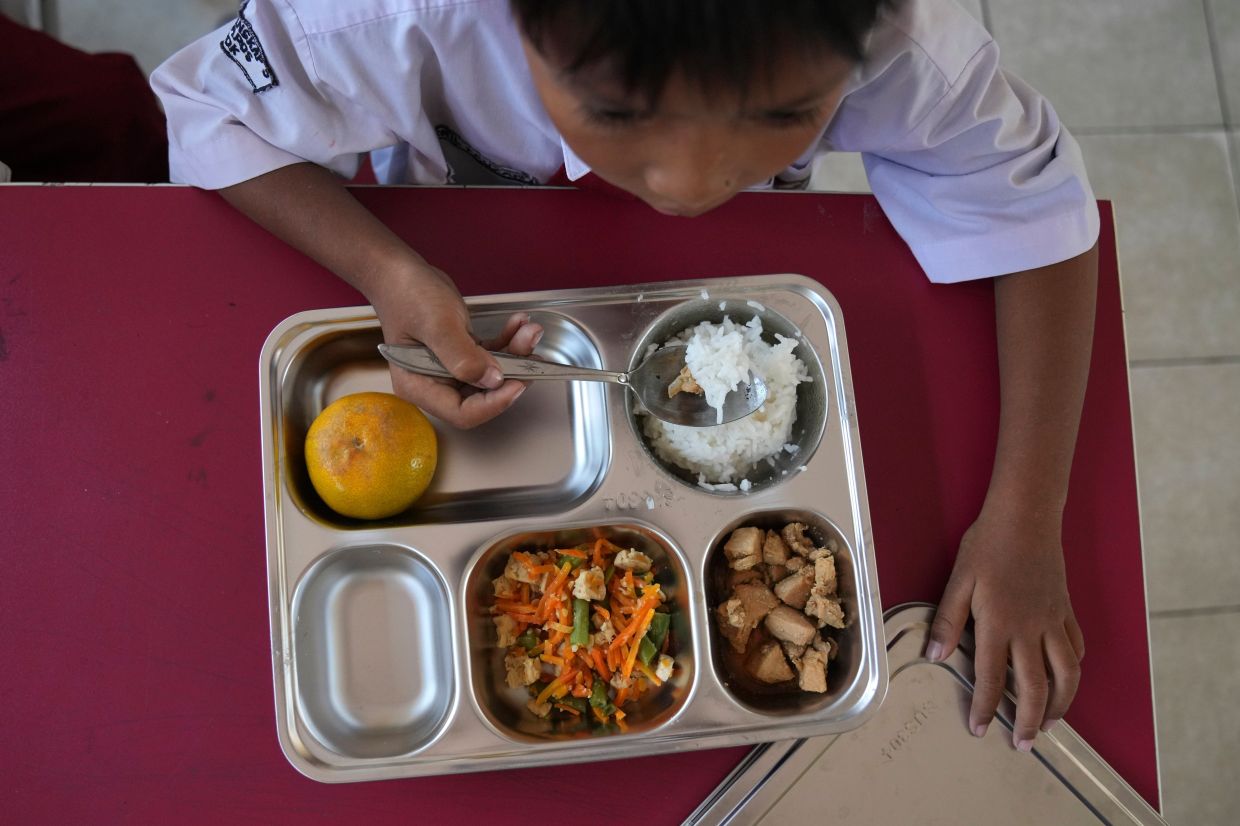
JAKARTA: A prominent Indonesian anti-corruption organisation is calling on the government to pause President Prabowo Subianto's signature free meals programme and expand its investigation into graft allegations affecting the initiative. Indonesia Corruption Watch (ICW) has further recommended dissolving the National Nutrition Agency (BGN) entirely, according to Wana Alamsyah, the group's law and investigation chief. The BGN oversees a roughly US$15 billion nationwide effort aimed at combating malnutrition and poverty.
Lawyers and investigators arrested Dadan Hindayana, the former BGN director, this month on graft charges. Four others, including two of his deputies, have also been apprehended. Despite the agency's recent establishment—less than two years ago—it already distributes meals to over 60 million people. ICW contends that far deeper scrutiny is warranted, particularly of individuals who may have profited from deficiencies in the programme's governance and execution.
Wana stated that enforcement personnel must examine not only top management but also vendors, procurement officials, and others implicated in the scheme's rollout. He characterised the programme as hastily designed and implemented without adequate planning. The Attorney-General's office has not yet responded to requests for comment regarding the recommendations.
BGN's incoming chief, Nanik S. Deyang, has pledged to refocus the initiative toward greater efficiency and reduced scope. Rather than pursuing the target of 82.9 million recipients as originally planned, the agency intends to concentrate on underserved regions and improve nutritional standards of meals provided. Deyang stated the agency aims to spend under the 268 trillion rupiah (US$14.9 billion) budgeted for the year.
President Prabowo has declared zero tolerance for corruption in the project, stating "I do not want the people's money to be stolen." However, public dissatisfaction has mounted—police clashed with protesting students on June 12 in Jakarta, with similar demonstrations occurring in major cities. Concerns extend beyond corruption allegations; economists and analysts question whether the substantial programme expenditure will deliver promised benefits in employment, health outcomes, and economic growth, particularly as fuel subsidy costs strain the national budget.
ICW's prior investigations uncovered troubling patterns. A review of 102 foundations running kitchens across 38 provinces identified connections to politically-linked figures including politicians, officials, military personnel, and business interests. A separate Jakarta-based economic think tank found 79 per cent of respondents acknowledged potential conflicts of interest in vendor selection processes. Earlier studies warned of uneven food distribution, quality concerns, and budget mismanagement throughout the scheme.