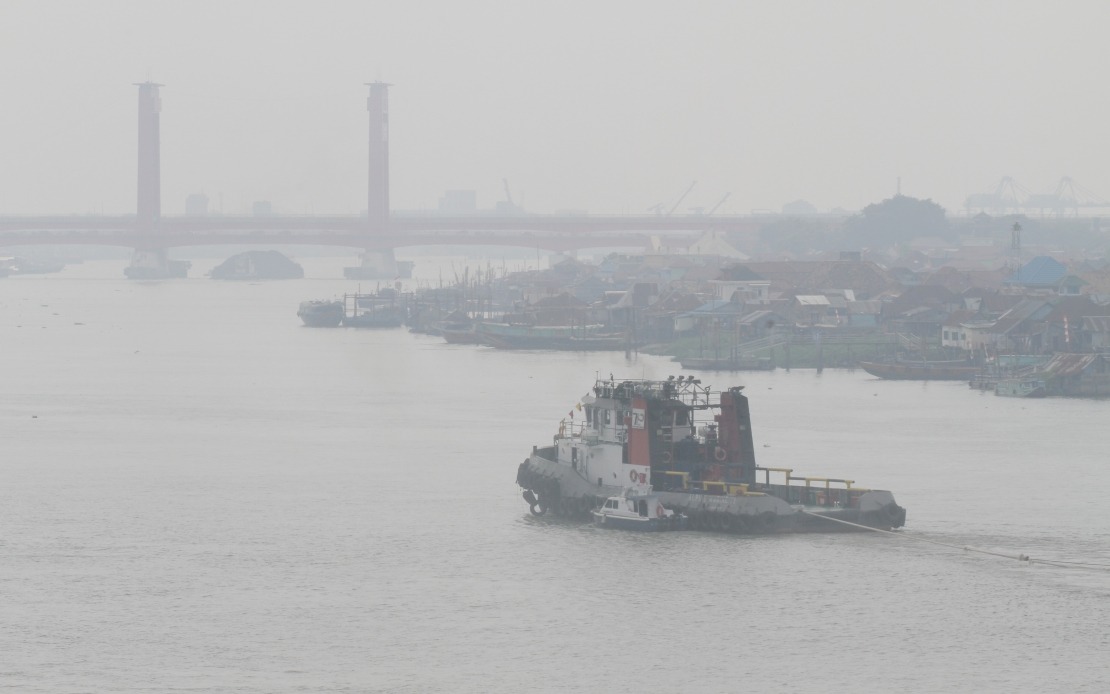
Indonesia has formally acknowledged its collaborative efforts with Malaysia to manage the escalating transboundary haze crisis, with weather modification initiatives taking centre stage in their bilateral response. The announcement underscores the urgency of the situation as forest and land fires sweeping through West Kalimantan have created hazardous air conditions affecting multiple Malaysian states, with Air Pollutant Index readings reaching alarming levels across Sarawak and the Klang Valley.
The severity of this year's haze episode represents a dramatic shift from recent patterns. The Malaysian Consulate in Pontianak reported that the situation has deteriorated sharply, contrasting starkly with the absence of severe haze episodes recorded throughout 2024 and 2025. This deterioration carries particular urgency given the regional implications and the health risks facing citizens on both sides of the border. As of Friday morning, certain areas of Sarawak registered API readings at 195, approaching the very unhealthy threshold of 201 and above, prompting widespread concern among public health authorities and the general population.
Berton Panjaitan, Acting Head of the National Disaster Mitigation Agency's Data, Information, and Disaster Communication Centre, outlined the scope of Indonesia's engagement with Malaysia during recent diplomatic channels. Beyond immediate weather modification discussions, the two nations have committed to strengthening their cooperative framework encompassing prevention strategies, real-time air quality monitoring, and scientific interventions to alter weather patterns. This multilayered approach reflects recognition that transboundary haze demands sustained institutional coordination rather than reactive crisis management.
A pivotal agreement reached on August 24 between Malaysian Natural Resources and Environmental Sustainability Minister Datuk Seri Arthur Joseph Kurup and Indonesian Environment Minister Jumhur Hidayat has paved the way for Malaysian cloud-seeding operations within Indonesian airspace. This represents a significant breakthrough in operational trust between the two governments, permitting Malaysian aircraft to conduct atmospheric interventions that would have been diplomatically sensitive a generation ago. The approval demonstrates Jakarta's willingness to prioritise regional air quality over strict sovereignty concerns, recognising that the haze affects Indonesia's own population and international standing.
While Indonesia has not yet formally requested direct Malaysian firefighting assets such as water-bombing operations, officials have signalled openness to escalating support should circumstances warrant. Panjaitan indicated that Jakarta remains receptive to utilising existing bilateral mechanisms for deploying such resources, suggesting that bureaucratic frameworks are already in place and require only political activation. Malaysia has previously demonstrated its capacity to assist, with the consulate having contributed six water pumps to West Kalimantan's governor's office during the 2023 haze episode, establishing a precedent for material support beyond atmospheric interventions.
The transboundary nature of this crisis extends far beyond Sarawak's borders. Elevated API readings have been recorded across Kuala Lumpur, Selangor, Penang, Kedah, and Perak, affecting Malaysia's most densely populated regions and economically vital areas. The Malaysian Peninsula's vulnerability to haze originating from Sumatra and Kalimantan reflects geographical realities that both nations must grapple with year after year, making cooperation not a diplomatic luxury but an essential institutional requirement for protecting public health and economic productivity.
The Malaysian Consulate's reporting on conditions in West Kalimantan highlights the human dimension of this environmental crisis. Among the 577 Malaysians registered in the region, most working as expatriates across Kalimantan's resource and service sectors, health impacts cascade through both personal and professional domains. The consulate has implemented protective measures including mask distribution recommendations, shifting educational activities to online platforms, and advising against unnecessary outdoor movement. These precautions reflect the immediate public health emergency facing the expatriate community and the broader civilian population in the affected zone.
The coordination between Indonesia and Malaysia reveals how persistent transboundary environmental challenges can gradually build institutional capacity and political will for joint action. Previous haze episodes, stretching back decades, have established communication protocols, data-sharing arrangements, and diplomatic languages for discussing what remains a sensitive issue involving national jurisdiction over land management and economic development. Each cycle of severe haze creates opportunities for incremental institutional deepening, though critics argue that the fundamental issue—prevention through stricter land-use regulations—remains inadequately addressed by either government.
Weather modification through cloud seeding represents both a technical intervention and a political statement about the limits of unilateral action. While the scientific evidence supporting cloud seeding's efficacy remains contested among meteorologists, the willingness of both governments to pursue it signals commitment to visible action and shared responsibility. For Malaysian policymakers, the approval to conduct operations within Indonesian airspace validates diplomatic pressure and frames haze management as a regional responsibility requiring coordinated expertise rather than a purely bilateral negotiation over compensation or blame.
The timing of this intensified coordination matters significantly within the broader Southeast Asian context. As climate change intensifies weather extremes and fire seasons extend in duration, the precedent established by Malaysia-Indonesia cooperation on haze may influence how other regional nations address similar transboundary environmental challenges. The model of combining prevention, real-time monitoring, scientific intervention, and firefighting support could offer lessons applicable to other cross-border environmental crises, from marine pollution to transboundary water management issues.
Moving forward, the success of these coordinated efforts will be measured against tangible improvements in air quality and the effectiveness of weather modification operations. However, observers note that lasting solutions require addressing the underlying factors driving forest and land conversion in Indonesia—commercial agriculture expansion, palm oil cultivation, and inadequately regulated resource extraction. Until these drivers are meaningfully constrained through domestic policy, transboundary haze will likely remain a recurring challenge requiring annual diplomatic renewal and technical coordination between Malaysia and Indonesia.

