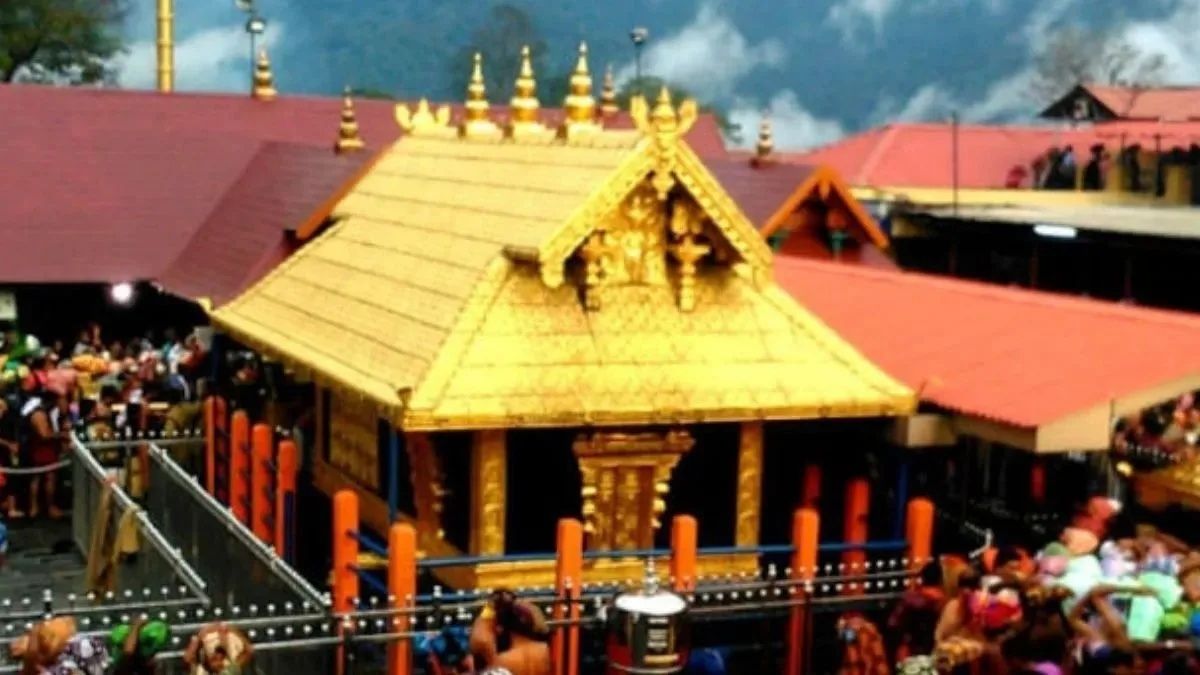
A major religious corruption scandal has deepened in Kerala, with India's Special Investigation Team implicating several high-ranking temple administrators in what investigators describe as a large-scale gold theft operation at Sabarimala, one of Hinduism's most sacred shrines. The SIT filed its report before the Kerala High Court on June 29, naming former Travancore Devaswom Board (TDB) president PS Prashanth, temple head priest Kandaru Rajeevaru, businessman Unnikrishnan Potty, Chennai-based Smart Creations owner Pankaj Bhandari, and others in connection with the alleged conspiracy stretching back to 2019 and continuing into 2025.
The investigation reveals a scheme of troubling sophistication. According to the SIT's findings, the Dwarapalaka guardian deity idols—sacred religious objects covered in thick gold plating since 1998—were transported to Chennai in 2019 under the direction of Unnikrishnan Potty. During this process, investigators allege that the original substantial gold cladding was deliberately stripped away and replaced with a thin replacement layer, while the removed gold was misappropriated. The suspects then issued a fraudulent 40-year quality warranty certificate to maintain the appearance of legitimacy, a document designed to discourage future scrutiny of the work performed on these highly valuable temple assets.
What makes this case particularly significant for religious institutions across South Asia is how quickly the alleged cover-up began to unravel. The poor-quality gold work deteriorated within months of the idols being returned to the temple, exposing the copper substrate beneath. Rather than face potential discovery, the investigation suggests the accused designed an elaborate secondary operation. Once PS Prashanth assumed the TDB presidency, Unnikrishnan Potty allegedly cultivated his confidence and proposed a fresh replating initiative, ostensibly to address quality concerns. This second transfer of the idols to Chennai in 2025, according to investigators, was engineered specifically to conceal evidence of the original 2019 theft by performing new work that would obscure the earlier irregularities.
The SIT's investigation uncovered an additional layer of administrative deception. Official transit permits describing these extraordinarily valuable gold-clad religious objects were deliberately falsified to characterize them as simple "copper plates," allowing the idols to bypass mandatory judicial oversight procedures that would normally apply to the movement of such significant religious artifacts. This suggests the conspiracy involved not merely individuals acting alone, but systematic abuse of official authority and documentation processes within the temple management structure itself.
The scope of the alleged conspiracy extends beyond the individuals initially suspected. The SIT informed the Kerala High Court that its investigation had uncovered evidence pointing toward broader complicity among multiple TDB officials and members, indicating this was not an isolated incident of personal misconduct but rather a more systemic problem within temple governance. The investigation into the Sreekovil (sanctum sanctorum) doorframes has already concluded with a final charge sheet filed, and the SIT has requested additional time to complete the remaining investigative work concerning the Dwarapalaka idols.
This case carries significant implications for religious institutions across India and Southeast Asia, where temples hold immense cultural and financial assets. The erosion of trust in temple management bodies—which serve not merely as custodians of religious relics but as repositories of community heritage—strikes at the heart of institutional credibility. For Malaysian readers with significant Tamil and Hindu communities, the scandal at Sabarimala serves as a cautionary reminder about the importance of transparent governance mechanisms and rigorous oversight in religious institutions managing valuable cultural property.
The Kerala High Court's decision to grant the SIT permission to register a fresh criminal case against PS Prashanth and others indicates the judicial system's seriousness in pursuing the allegations. The court has instructed that if sufficient evidence emerges against any of the accused, the SIT must proceed according to law, including filing supplementary charge sheets as warranted. This measured but firm judicial response demonstrates the delicate balance required when investigating corruption within religious institutions—upholding the rule of law while respecting the sensitive nature of allegations involving sacred spaces and revered religious figures.
The broader administrative failure revealed by this investigation warrants attention. How multiple layers of institutional checks and balances failed to prevent or detect the alleged conspiracy for years raises questions about the adequacy of internal audit mechanisms, financial oversight, and verification procedures in major temple management boards. The fact that fraudulent documentation could be issued, that valuable religious artifacts could be moved with falsified permits, and that poor-quality work could escape immediate detection suggests systemic vulnerabilities that extend beyond the individuals named as accused.
For the TDB and similar religious administrative bodies in India and the region, this case underscores the necessity of modernizing governance structures, implementing digital asset tracking systems, and establishing independent audit committees with powers to verify the authenticity and condition of religious artifacts. The reputational damage to an institution responsible for managing one of Hinduism's holiest temples will take considerable time to repair, requiring not merely the prosecution of guilty parties but comprehensive institutional reform.

