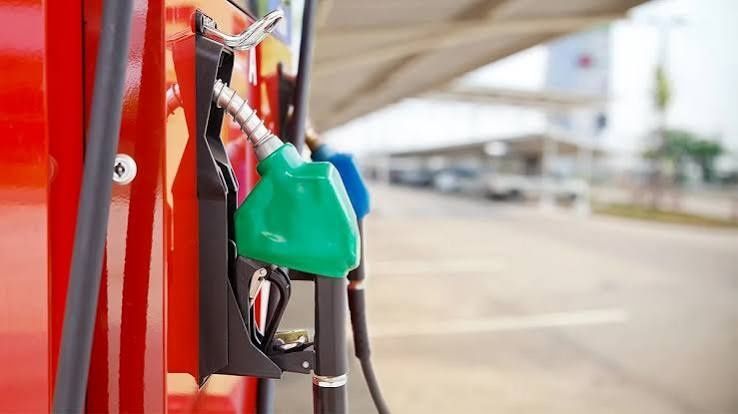
India's government finds itself in an unprecedented political bind as it attempts to manage escalating public anger over its E20 ethanol-blended petrol mandate, which has transformed into one of the most contentious issues facing Prime Minister Narendra Modi's administration in the world's third-largest automotive market. The controversy, which spiralled dramatically this week after Attorney General R. Venkataramani characterised the policy as an "experiment" during a court hearing, has exposed deep rifts between government planners and motorists already frustrated by mandatory use of the 20 per cent ethanol blend.
The E20 fuel policy itself entered force last year as part of India's broader environmental and economic strategy, yet its implementation has proven far more divisive than officials anticipated. What was intended as a showcase for sustainable fuel innovation and agricultural support has instead become a lightning rod for consumer discontent, with video footage of Venkataramani's courtroom remarks circulating virally across social media platforms and undermining government credibility. The attorney general later attempted damage control by telling Reuters that his use of "experiment" specifically referenced the volume of ethanol supplies rather than the policy framework itself, yet this clarification has failed to assuage public concern or arrest the momentum of growing opposition.
Government communications have further inflamed tensions rather than defused them. When the Petroleum Ministry's press office responded to mounting criticism by dismissing concerns as "wild claims" and admonishing people to ignore "rage bait," it signalled a striking disconnect between official messaging and genuine motorist grievances. Petroleum Minister Hardeep Singh Puri's Thursday comparison of E20 to fuel used in racing vehicles—where he acknowledged mileage "may drop a little"—seemed to trivialise the financial impact on ordinary drivers already bearing the costs of reduced fuel efficiency.
The human dimension of this dispute reflects legitimate concerns about vehicle performance and maintenance costs. Hundreds of motorists have documented complaints on social media platform X, with several videos accumulating hundreds of thousands of views. One particularly compelling case involved a motorist identified as Manish Kashyap, filmed in a workshop describing necessary repairs to his vehicle after just two months of E20 use, expressing frustration at spending substantial sums on a car only to find it damaged by government-mandated fuel. These anecdotal reports, while difficult to verify individually, collectively form a narrative of consumer harm that contradicts official reassurances.
The political opposition has seized upon the controversy with considerable effectiveness. Priyank Kharge, a state minister from the opposition Congress party, articulated a sophisticated critique on social media, arguing that the E20 rollout proceeded without proper stakeholder consultation and that the government cannot demand citizens prove damage while witholding its own completed impact assessments. This framing transforms the dispute from a technical disagreement about fuel chemistry into a question of governance transparency and democratic process—terrain that resonates broadly across Indian political discourse.
Professional organisers have mobilised public sentiment into concrete action. Tehseen Poonawalla, a Delhi-based socialite and Congress supporter, announced plans for a major protest against E20 in New Delhi on Sunday, reporting that thousands of interested participants had already indicated their intention to join. This represents the conversion of social media sentiment into street-level political pressure, suggesting the government faces not merely vocal criticism but organised opposition with potential to sustain momentum beyond immediate headlines.
The core tension underlying this dispute involves fundamental trade-offs in energy policy that India's policymakers have thus far failed to adequately communicate or defend. The government's case for E20 emphasises reduced carbon emissions, decreased crude oil imports and attendant foreign exchange savings, plus increased income for farmers through expanded agricultural feedstock demand. These are genuinely significant policy objectives with national importance, particularly given India's substantial energy security challenges and its position as a major crude oil importer.
Yet the government's failure to conduct sufficient prior consultation, pilot programmes with transparent results, or phased implementation with consumer choice options has transformed a potentially defensible policy into a symbol of top-down decision-making that ignores practical concerns. Motorists denied choice at fuel pumps have understandable grievances, particularly when official messaging combines dismissiveness with technical contradictions that suggest internal uncertainty about the policy's maturity and readiness for national deployment.
The E20 controversy carries implications extending well beyond India's automotive sector. Regional developments in Southeast Asia, where many nations grapple with similar balancing acts between environmental commitments and consumer welfare, may draw cautionary lessons from India's implementation difficulties. Malaysia, Thailand, and Indonesia face comparable pressures regarding fuel regulation and agricultural integration into energy systems, and this Indian experience demonstrates the political hazards of proceeding without robust public dialogue and clear performance data.
For India's Modi government, the episode presents a test of political agility and institutional responsiveness. Either it must produce credible scientific data addressing motorist concerns while implementing systematic support mechanisms for affected vehicle owners, or it risks allowing this narrow technical dispute to metastasise into broader questioning of governmental competence and democratic legitimacy. The decision to characterise legitimate consumer concerns as "rage bait" suggests institutional defensiveness that may deepen rather than resolve the underlying political crisis.
The resolution of this controversy will likely determine not merely the future of E20 implementation but also public confidence in the government's approach to energy transition more broadly. Should officials persist with dismissive communications while refusing substantive consultation or evidence-based policy adjustment, the episode may establish precedent whereby technically sound policies become politically unsustainable because their architects neglected the crucial work of democratic persuasion and transparent governance.

