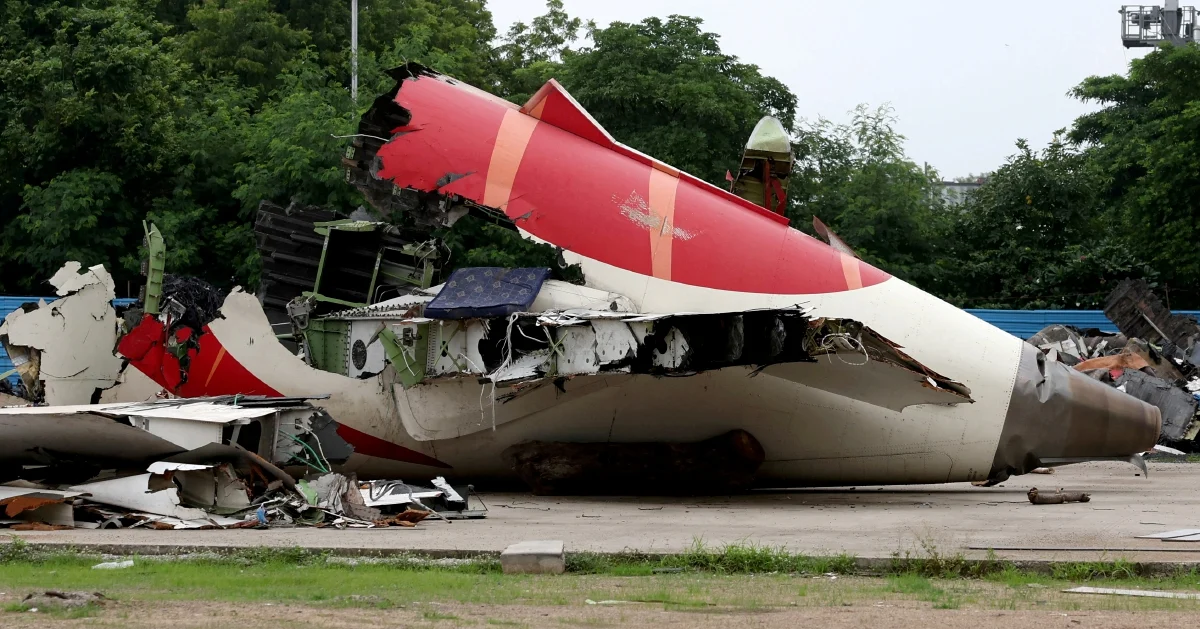
India's principal aircraft accident investigation authority has advanced its inquiry into a fatal Air India crash to its concluding stages, having now completed comprehensive analysis of cockpit voice recordings and psychological evaluations of those involved. Court documentation released in New Delhi confirms that the investigating body has prepared a full transcript of the cockpit voice recorder and conducted a psychological autopsy as part of its methodical forensic examination. These developments signal that authorities are moving toward wrapping up their technical and human factors assessment of the incident.
The completion of cockpit voice recorder transcription represents a pivotal milestone in aviation accident investigation. This recording device captures all cockpit conversations, radio transmissions, and ambient sounds from the flight deck during the critical moments before, during, and after any emergency event. For investigators and the international aviation community, this transcript provides an unfiltered window into crew decision-making, communication patterns, and the sequence of events that unfolded during the tragedy. Malaysian aviation safety experts and regulators typically follow such investigations closely, as findings often lead to industry-wide procedural changes affecting airlines across Southeast Asia.
The psychological autopsy component of this investigation reflects modern approaches to understanding aviation accidents. Rather than attributing crashes solely to mechanical failure or pilot error in isolation, contemporary investigators examine the broader human context—including crew fatigue, stress levels, training adequacy, decision-making under pressure, and interpersonal dynamics in the cockpit. This holistic assessment helps reveal whether systemic factors, training gaps, or organisational pressures may have contributed to critical decisions made during the flight. For regional carriers operating in Southeast Asia, such psychological insights often inform revised crew resource management protocols and fatigue management standards.
The progression toward final stages indicates that investigators have likely completed their most technically intensive work. After initial evidence collection from the wreckage, examination of aircraft maintenance records, and reconstruction of the flight sequence, the focus shifts toward synthesis and analysis. The investigation team must now integrate findings from the voice recorder transcripts, psychological assessments, aircraft maintenance histories, weather data, and air traffic control communications into a comprehensive narrative that explains how and why the accident occurred.
For the global aviation sector, including carriers based in Malaysia and across the region, the timing of this investigation's conclusion carries significance. Major aviation accidents typically prompt international scrutiny and recommendations from the International Civil Aviation Organization and other bodies. Any findings about crew coordination failures, training deficiencies, or procedural gaps could influence regulatory amendments affecting how airlines throughout Southeast Asia train pilots, manage cockpit resource allocation, and respond to emergencies. Airlines in Malaysia maintain close attention to such investigations as they often establish benchmarks for industry-wide safety enhancements.
The court filing that revealed this investigative progress suggests that the findings may soon become subject to legal review or public disclosure processes. In India's framework, aviation accident investigation reports are typically made available to affected families, airlines, and eventually the public, though certain sensitive operational details may be withheld for security reasons. This transparency mechanism contrasts with practices in some nations and reflects international norms established through ICAO conventions.
Entering the final phase does not necessarily mean the investigation is weeks away from conclusion. Compiling findings, ensuring accuracy of transcriptions in what may involve multiple languages or technical jargon, consulting with international aviation experts, and preparing comprehensive documentation for release requires meticulous attention to detail. The investigating authority must ensure that all facts are corroborated, conclusions logically supported by evidence, and recommendations practical and implementable.
The Air India incident that prompted this investigation underscored the inherent risks of aviation and the importance of continuous safety improvement across the industry. Each accident investigation, regardless of where it occurs, generates lessons that ripple across the global aviation network. Airlines in Malaysia and throughout Southeast Asia benefit from insights gained through such investigations, applying findings to strengthen their own safety cultures, training programmes, and operational procedures. The completion of this probe will likely reinforce safety priorities relevant to carriers throughout the region.
As investigators prepare their final report, attention will likely focus on whether the accident resulted from a single catastrophic failure, a combination of smaller factors, or human decision-making under extraordinary circumstances. Understanding the precise causal chain matters enormously for the aviation industry because effective safety improvements depend on accurate diagnosis of root causes. If mechanical failure was primary, maintenance and design protocols may require modification. If crew performance factors dominated, training curricula and cockpit procedures may need revision. Most investigations identify multiple contributing factors, requiring coordinated responses across several domains. The thoroughness demonstrated by India's investigating authority in preparing detailed voice recordings analysis and psychological assessments suggests a comprehensive approach to identifying all relevant factors. Malaysian aviation officials and carriers will undoubtedly scrutinise the final report carefully, extracting lessons applicable to their own operations and incorporating any recommended safety enhancements into their regulatory frameworks and operational practices.

