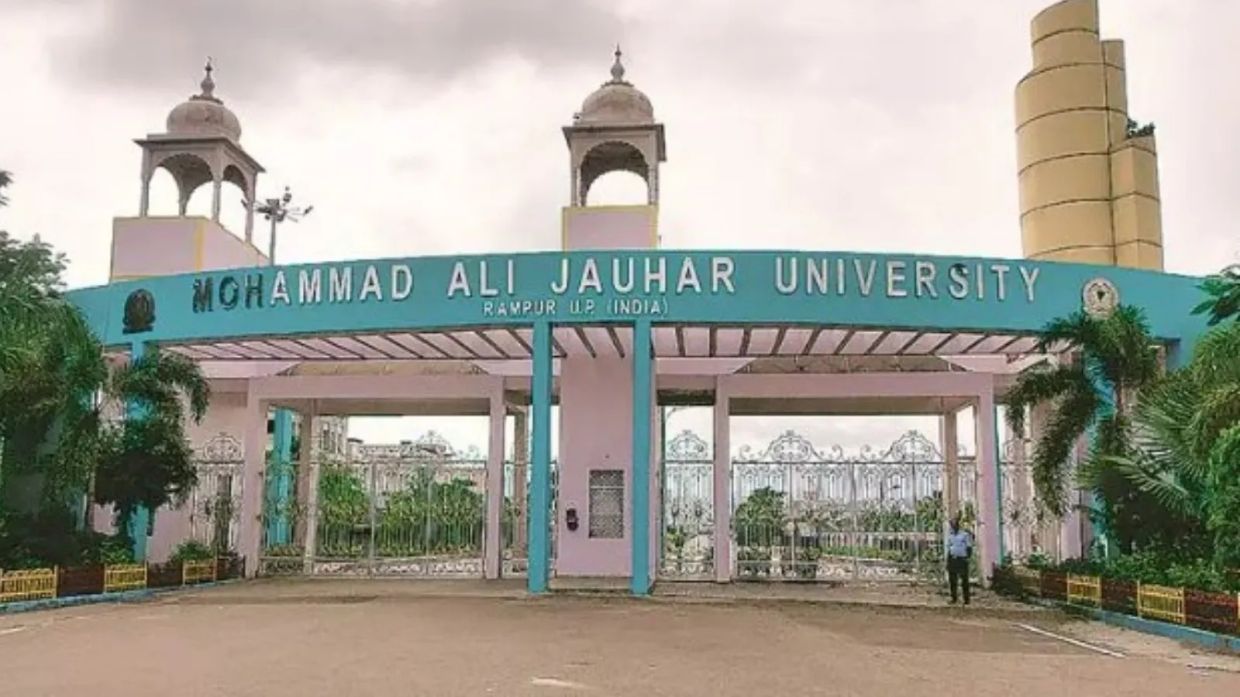
The Rampur Development Authority in Uttar Pradesh has issued a sweeping demolition order affecting Mohammad Ali Jauhar University, directing the removal of 38 structures from the institution's 250-acre campus on grounds of unauthorized construction. The directive, delivered on Wednesday, represents one of the largest enforcement actions taken against the educational facility and signals intensifying regulatory scrutiny of the university's physical infrastructure and development practices.
Located in Rampur city in India's most populous state, the university bears the name of a towering figure in the Indian independence struggle and was established in 2006 by Azam Khan, a politically influential figure who previously served as a state minister. Khan, renowned for his oratorical abilities and considerable standing within his community, founded the institution during a period of significant influence within Uttar Pradesh's political landscape. The timing and scope of the current demolition order have drawn attention given the complex political circumstances surrounding the university's founder and his family.
Azam Khan's political credentials and trajectory provide essential context for understanding the current situation. The politician is affiliated with the Samajwadi Party, a regional powerhouse that governed Uttar Pradesh for five years until 2017, when it suffered electoral defeat to the Bharatiya Janata Party. This political transition marked a significant shift in the state's governance and priorities, with implications extending to institutions associated with the previous administration and its prominent figures.
The circumstances affecting Khan and his immediate family have grown considerably more serious in recent years. Khan and his son Abdullah are currently incarcerated following legal convictions in a matter concerning forged documents. Simultaneously, Khan's wife Tazeen Fatima faced imprisonment related to a birth certificate case, though she has since secured bail pending further proceedings. These multiple legal entanglements have created a complex backdrop against which the university now faces institutional challenges.
The Khan family has consistently maintained that the succession of legal cases represents politically motivated persecution rather than genuine violations of law. They characterize the judicial actions as elements of a broader vendetta stemming from political rivalries and power struggles within the state. This narrative of selective prosecution against opposition figures reflects broader patterns of political contestation in Indian states, where changes in administration frequently bring renewed scrutiny of entities associated with previous ruling coalitions.
The demolition order carries significant implications for an institution that has served as an educational platform in the region. The university's operational capacity and institutional credibility face potential disruption should the authorities proceed with removing the majority of campus structures. For students currently enrolled, faculty members, and administrative staff, the demolition directive creates substantial uncertainty regarding continued academic functioning and the availability of physical facilities necessary for teaching and learning.
From a governance perspective, the demolition order raises questions about regulatory enforcement and whether building codes and authorization requirements were genuinely inadequate or whether the action reflects broader institutional targeting. The magnitude of the directive—affecting 38 of 40 structures—suggests either serious systemic violations during the institution's development or an enforcement approach of considerable stringency. Either interpretation warrants examination of whether procedures were followed with appropriate transparency and whether the university had adequate opportunity to remedy any violations before facing wholesale demolition.
The situation reflects wider tensions in Indian politics regarding institutional independence and the potential politicization of regulatory authority. When educational institutions become entangled with political rivalries, their academic missions and student interests can suffer collateral damage from larger power contests. For policymakers and observers across South Asia, including Malaysia, the case illustrates how transitions in political power can create complications for institutions established during previous administrations, particularly when founders maintain opposing political affiliations.
The university's future will likely depend on multiple factors including the outcomes of ongoing legal proceedings affecting its founder, the resolution of the unauthorized construction allegations, and potentially broader political developments within Uttar Pradesh. The institution may pursue legal remedies challenging the demolition order, seek compromise solutions involving selective rather than wholesale removal of structures, or pursue reconstruction in compliance with regulatory requirements. Each pathway presents distinct challenges and timelines that would affect the institution's stability and educational mission.
For Malaysia's higher education sector and regional observers, the Mohammad Ali Jauhar situation underscores the importance of institutional governance structures that insulate educational facilities from direct dependence on individual political patrons and ensure compliance with construction and regulatory standards from inception. It also highlights how political transitions and legal actions targeting institution founders can create cascading challenges for the organizations they established, affecting thousands of students and staff members who bear no responsibility for the political circumstances now complicating their institutions' operations.

