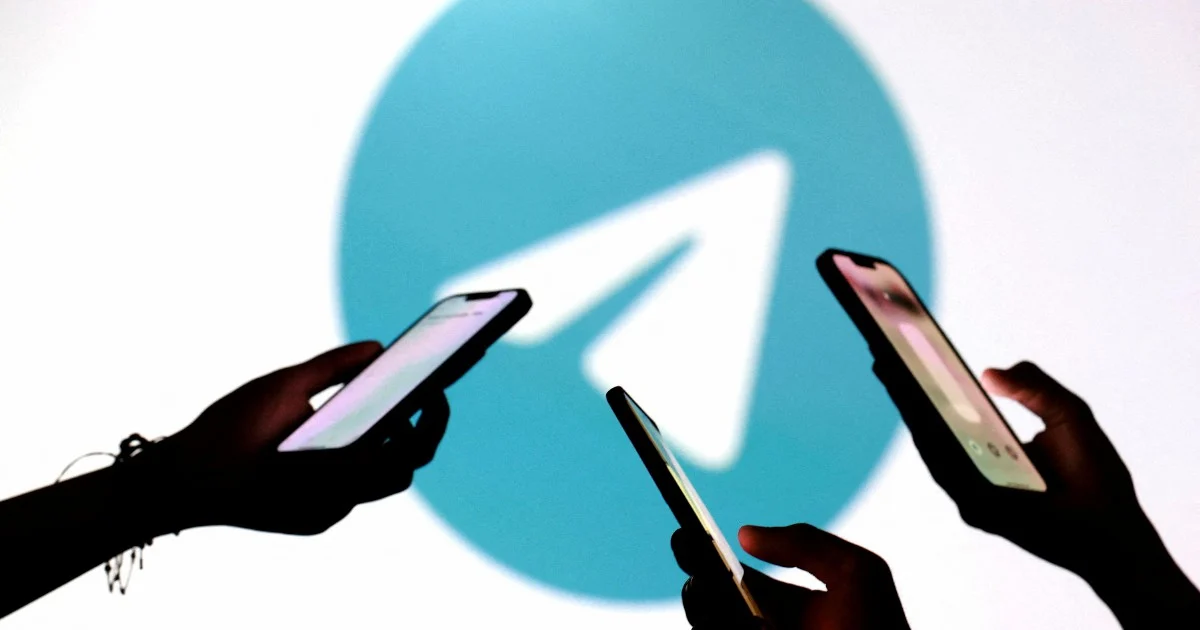
India has moved to temporarily block the Telegram messaging application, citing its use in orchestrating a fraudulent scheme aimed at candidates taking the country's highly competitive national medical entrance examination. The action represents an escalating response to systemic vulnerabilities threatening the credibility of one of Asia's most significant professional qualification pathways.
The medical entrance test in question serves as the gateway for hundreds of thousands of aspiring physicians seeking admission to India's medical colleges each year. The examination carries enormous weight for Indian and South Asian students, determining not only admission prospects but also career trajectories and professional standing. The temporary block on Telegram underscores how seriously Indian authorities are treating the mounting threats to the examination's integrity.
This latest intervention arrives amid an already turbulent period for India's medical education system. Just one month prior, the examination was rocked by allegations that question papers had been leaked to candidates ahead of the scheduled test. The severity of those breaches forced authorities to invalidate results across multiple sittings, affecting millions of test-takers and throwing their educational plans into disarray. That incident prompted widespread public outcry and sparked investigations into how such sensitive materials could have been compromised.
The recurring pattern of security failures points to deeper structural challenges within India's examination infrastructure. The use of Telegram, a messaging application known for its encrypted communications features, suggests that fraudsters have become increasingly sophisticated in their methods. These actors have apparently leveraged the platform's emphasis on privacy and security to coordinate their schemes beyond the reach of monitoring systems. This tactic highlights how technologies designed to protect legitimate users can be weaponised by those intent on circumventing safeguards.
For Malaysian observers, the situation carries particular significance given the region's reliance on Indian educational qualifications and the cross-border movement of students pursuing medical studies. Many Southeast Asian candidates sit for India's medical entrance examinations as an alternative pathway to professional qualification. Repeated compromises to examination security threaten not only Indian aspirants but also the regional reputation of qualifications awarded through these channels.
The frequency of detected fraud attempts raises questions about the robustness of preventive measures currently in place. The temporary blocking of a major messaging platform, while addressing one vulnerability, reflects a reactive rather than proactive approach. Authorities appear to be responding to identified threats rather than systematically hardening the examination system against an evolving threat landscape. This defensive posture may prove insufficient as bad actors continually identify new vectors for their activities.
Telegram's role in facilitating the attempted fraud is noteworthy given the application's widespread popularity across India and South Asia. The platform's user base includes millions of legitimate users relying on it for everyday communication. A temporary block creates collateral disruption for innocent users while the underlying security challenges persist. Authorities must navigate the difficult balance between protecting examination integrity and maintaining reasonable access to communication services for the general population.
The examination authority faces mounting pressure to restore confidence in its processes. Beyond technical interventions like blocking problematic platforms, comprehensive reforms appear necessary. These might encompass enhanced proctoring mechanisms, biometric verification, random question bank deployment, and stricter protocols governing access to examination materials at all stages of preparation and administration. The current trajectory suggests that ad-hoc responses will struggle to match the resourcefulness of those seeking to compromise the system.
Regional governments and institutions across Southeast Asia will be monitoring India's handling of this crisis closely. If India's examination infrastructure cannot reliably prevent fraud and maintain security, it may undermine the standing of qualifications earned through these channels in international medical practice and further education contexts. The reputational stakes extend beyond India's borders, affecting recognition and mobility for graduates across the region.
The temporary block also raises broader questions about the appropriate role of government in managing technology platforms and communication channels. While authorities have legitimate interests in preventing crime, blanket blocks on popular applications present civil liberties concerns and may set precedents for future overreach. Finding solutions that address examination security without unnecessarily restricting legitimate communication rights represents a significant governance challenge.
Looking forward, Indian authorities will need to coordinate efforts across multiple stakeholders including examination bodies, security agencies, technology companies, and educational institutions. Sustainable solutions require moving beyond temporary blocks toward systematic improvements in how sensitive examinations are designed, administered, and monitored. The credibility of India's medical education system—and by extension, the career prospects of hundreds of thousands of aspiring doctors across South and Southeast Asia—depends on resolving these challenges comprehensively.