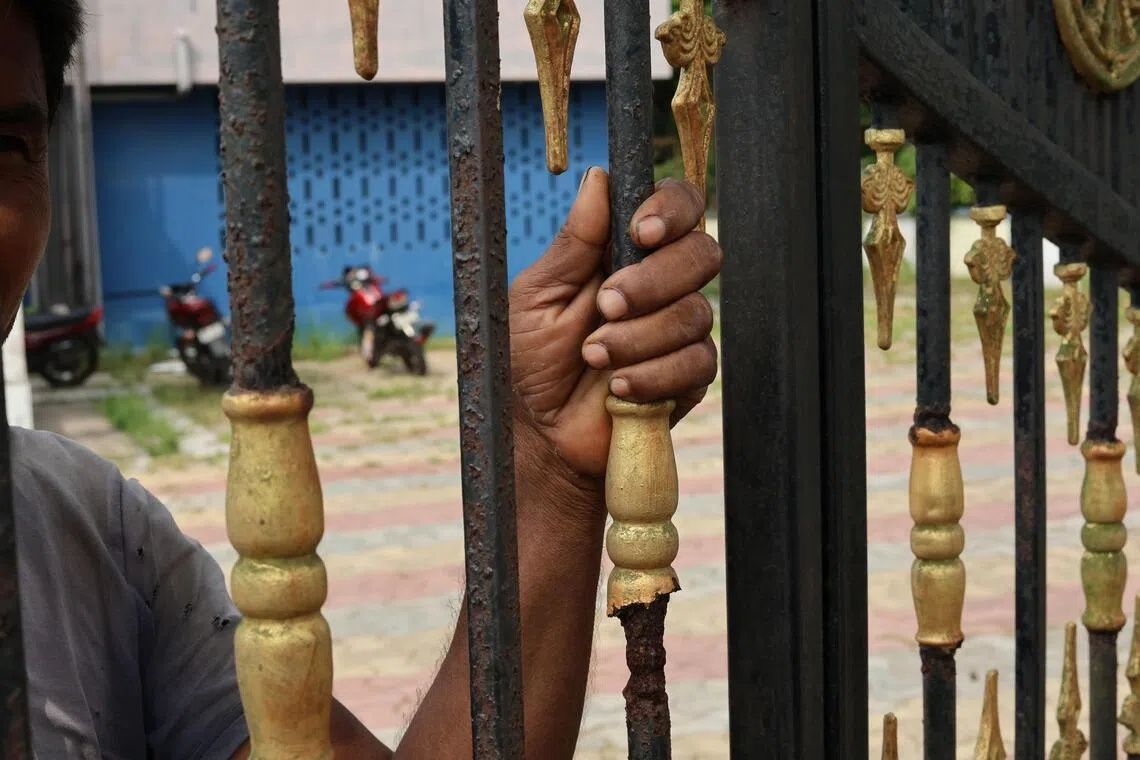
India has removed nearly 5,000 Bangladeshi nationals from West Bengal since Prime Minister Narendra Modi's Bharatiya Janata Party (BJP) secured a decisive election victory in the eastern border state last month. The party had campaigned on a strong anti-migration platform, vowing to "detect, delete and deport" undocumented foreigners from the region, home to over 100 million people.
West Bengal Chief Minister Suvendu Adhikari announced the deportations during a press conference in Kolkata on Sunday. According to his statement, authorities have transferred 4,800 Bangladeshi nationals across the border and have established holding centres across all districts to process additional cases. He indicated that a further 836 people remain in detention awaiting deportation arrangements.
The enforcement action follows the new government's decision to set up detention facilities for undocumented residents and refugees, including Rohingya people who fled Myanmar. The BJP administration justified the crackdown by stating that those being deported do not qualify for protection under India's Citizenship Amendment Act.
Migration from Bangladesh has deep historical roots, driven by economic pressures and family connections spanning the long, poorly secured border between the two nations. However, officials have increasingly used inflammatory language, with top Indian government figures referring to migrants as "termites" and "infiltrators", reflecting the contentious political environment surrounding immigration in the region.
Human rights advocates have criticised the campaign, noting that the BJP's messaging and enforcement measures have intensified anxiety among India's Muslim population exceeding 200 million. Some organisations have also documented allegations that India has forcibly pushed Bengali-speaking Muslims into Bangladesh without following proper legal procedures.
India-Bangladesh relations have been strained since political upheaval in Dhaka in 2024 toppled the government of Sheikh Hasina, a Delhi-aligned premier who subsequently sought refuge in India. A freshly elected administration in Dhaka took office in February, and diplomatic ties have gradually improved. Senior border officials from both nations are scheduled to meet in New Delhi on Monday to discuss bilateral matters.
%22%2F%3E%3C%2Fpattern%3E%3C%2Fdefs%3E%3Crect%20width%3D%22100%25%22%20height%3D%22100%25%22%20fill%3D%22url(%23ph3v19pg)%22%2F%3E%3Crect%20width%3D%22100%25%22%20height%3D%22100%25%22%20fill%3D%22url(%23ph3v19pp)%22%2F%3E%3Ctext%20x%3D%2250%25%22%20y%3D%2250%25%22%20text-anchor%3D%22middle%22%20dominant-baseline%3D%22central%22%20fill%3D%22rgba(255%2C255%2C255%2C0.95)%22%20font-family%3D%22Georgia%2C%20'Times%20New%20Roman'%2C%20serif%22%20font-weight%3D%22700%22%20font-size%3D%22136%22%20letter-spacing%3D%22-0.02em%22%3EAnti-Bull%E2%80%A6%3C%2Ftext%3E%3C%2Fsvg%3E)