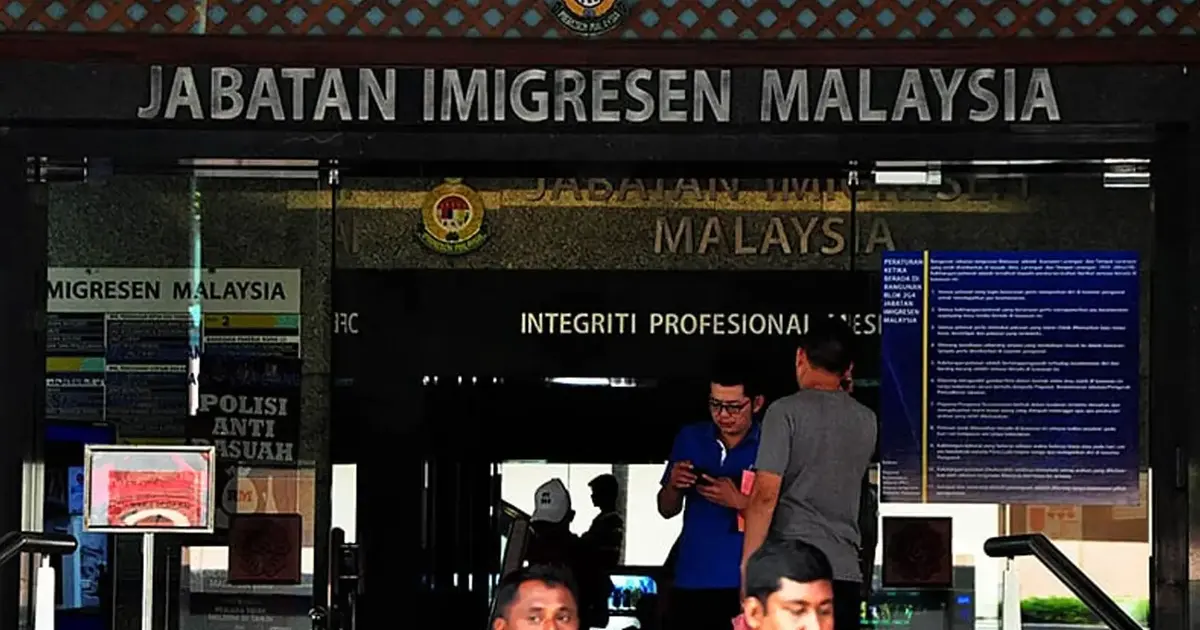
The Director-General of Immigration has asserted that investigators identified the officers implicated in the MyIMMs system breach essentially from the beginning of their probe, even as eleven immigration personnel have now been formally arrested for their alleged participation in a scheme to infiltrate the agency's core database and process irregular PLKS applications.
The statement from the immigration chief carries significant weight, suggesting that the investigation into what is being framed as an internal security breach was conducted with considerable efficiency and clarity. Rather than pursuing a lengthy probe into the scope of the unauthorized access, the focus appears to have narrowed quickly to specific personnel within the immigration service who are accused of facilitating applications outside normal channels. The assertion also implies that the perpetrators were not attempting to conceal their involvement through complex technical subterfuge, but rather were identified through investigative work that was apparently straightforward enough to produce results within a compressed timeframe.
The MyIMMs system stands as a critical digital infrastructure component within Malaysia's immigration apparatus, housing sensitive information regarding entry and exit records, visa status, and resident permits. A breach of this magnitude raises questions about both the technical safeguards protecting such sensitive databases and the institutional controls meant to prevent staff misconduct. The fact that eleven officers could allegedly coordinate unauthorized system access suggests either inadequate monitoring mechanisms or a troubling degree of institutional complacency within certain divisions of the immigration service.
PLKS, or Permanent Resident Status, represents one of Malaysia's most consequential immigration classifications, carrying implications for residency rights, employment eligibility, and access to government services. The allegation that immigration officers systematically exploited their access to approve such applications without proper authorization strikes at the integrity of Malaysia's immigration control mechanisms. This breach could potentially compromise the legitimacy of numerous applications processed during the period in question, requiring comprehensive audits of recent approvals.
The involvement of multiple officers rather than a lone bad actor indicates either a coordinated internal network or, at minimum, a failure of supervisory mechanisms to detect irregular patterns of system access and approvals. The fact that the immigration DG felt compelled to publicly state that the perpetrators were identified early in the investigation may be intended to assure the public that the immigration service maintains sufficient oversight capacity to catch internal threats relatively quickly. However, it simultaneously raises uncomfortable implications about how long the breach might have persisted before discovery.
For Malaysia's broader immigration policy framework, this incident underscores vulnerabilities in digital governance and staff accountability. The country has invested substantially in modernizing immigration systems through digitalization, viewing technological advancement as both more efficient and more transparent than legacy paper-based processes. Yet this case demonstrates that digital systems are only as secure as the personnel granted access to them, and that technological solutions alone cannot substitute for robust institutional controls and ethical workplace culture.
The arrest of eleven officers will likely trigger comprehensive reviews of not only the MyIMMs system architecture but also the recruitment, vetting, and ongoing supervision protocols for immigration personnel with database access. Malaysian authorities may need to implement more sophisticated audit trails, compartmentalized access permissions, and real-time anomaly detection systems to prevent similar breaches. The reputational damage to the immigration service itself could take considerable time to repair, particularly among applicants and regional partners who depend on the reliability of Malaysia's immigration records.
From a Southeast Asian perspective, this incident carries implications beyond Malaysia's borders. Regional countries that share immigration data or coordinate on labour mobility, tourism, and security matters may reassess the reliability of Malaysian immigration records and the trustworthiness of its information-sharing partnerships. Countries sending significant migrant workforces to Malaysia or receiving Malaysian residents may demand additional verification procedures if concerns persist about the integrity of immigration approvals and records.
The political dimensions of this case are also noteworthy. Immigration matters occupy considerable space in Malaysian public discourse, particularly regarding irregular migration, human trafficking, and border security. The revelation of internal corruption within immigration ranks could energize public debate about the capacity and integrity of government institutions more broadly. Opposition figures and civil society groups will likely use this incident to highlight systemic governance challenges, while the government must demonstrate that accountability mechanisms work and that corrective measures are being implemented rigorously.
The investigation's apparent speed in identifying the officers involved may also reflect the relative isolation of the perpetrators within the immigration service, suggesting this was not a widespread organizational failure but rather contained misconduct. However, even isolated breaches of critical digital infrastructure represent serious operational and security failures that demand thorough explanation to the public. The immigration DG's characterization of early identification should be accompanied by transparent disclosure of how long the breach persisted, how many unauthorized applications were processed, and what remedial steps are underway.
Moving forward, Malaysia faces the challenge of restoring confidence in its immigration system while simultaneously strengthening its technical and institutional safeguards. This incident provides an opportunity for comprehensive security audits and process improvements, but only if the authorities pursue accountability thoroughly and communicate findings transparently. The credibility of Malaysia's immigration apparatus depends not merely on catching wrongdoing but on demonstrating systematic commitment to preventing it in the first instance.

