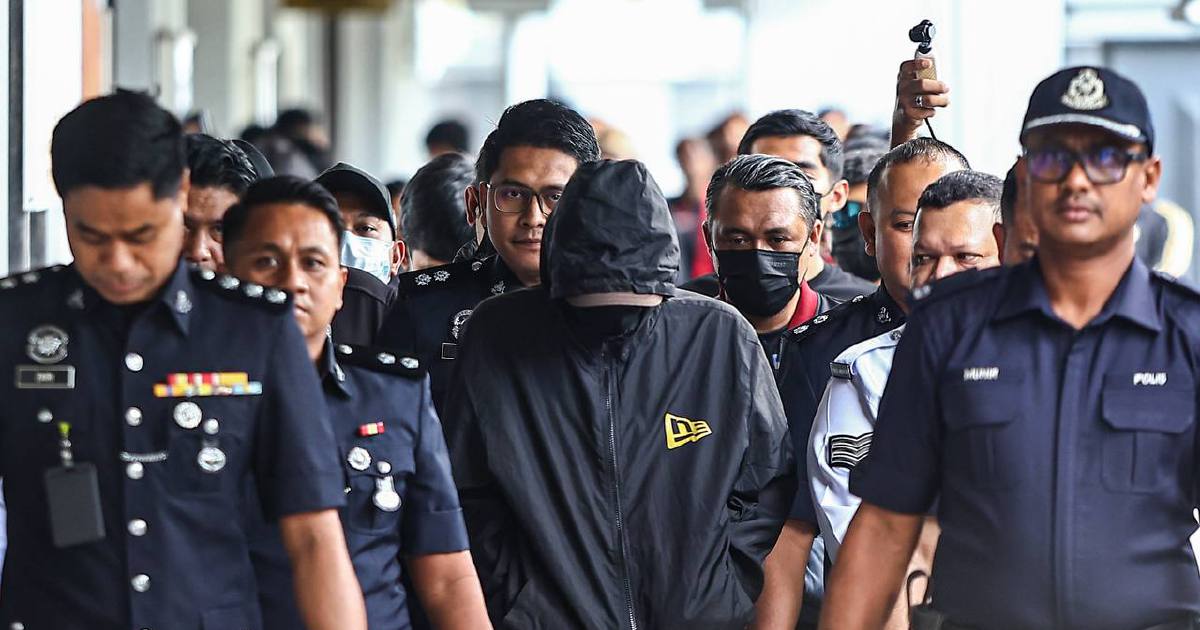
An Immigration Department lorry driver made his first court appearance to contest charges stemming from a fatal traffic incident at the Maju Junction intersection on Jalan Sultan Ismail in Kuala Lumpur. The driver, represented at the magistrates' court, entered not guilty pleas to a total of five criminal charges arising from yesterday's collision, which resulted in the deaths of three members of a single family. The case has drawn public attention to road safety concerns on one of Kuala Lumpur's busier arterial routes and raises questions about safety protocols involving government vehicles.
The charges before the court include three counts of causing death through reckless or dangerous driving, marking the most serious allegations in the prosecution's case. Under Malaysian traffic law, causing death by dangerous driving carries significant potential penalties reflecting the gravity of fatal road collisions. The remaining two charges relate to other offences arising from the same incident. This multi-charge approach is typical in fatal traffic cases where a single collision results in multiple fatalities, with prosecutors pursuing separate counts for each death to ensure proportionate accountability.
The Maju Junction intersection, situated along the heavily-trafficked Jalan Sultan Ismail corridor in the heart of Kuala Lumpur's commercial district, has historically been a congestion point during peak hours. The location's complexity, with multiple converging traffic flows and frequent merging vehicles, creates challenging driving conditions that demand particular attention from operators of large vehicles. The involvement of a government-operated lorry in a fatal collision at this location adds another layer of concern regarding vehicle maintenance standards, driver training requirements, and operational protocols within public sector transport operations.
Importance of the incident extends beyond the immediate families affected to broader questions about road safety enforcement and prevention measures. Malaysia's road fatality statistics remain stubbornly high compared to regional peers, with preventable collisions claiming thousands of lives annually. Government vehicles, operating under public trust and often exempt from certain regulatory burdens, warrant heightened scrutiny. The Immigration Department, like other government agencies operating transport fleets, bears responsibility for ensuring its drivers meet professional standards and that its vehicles are properly maintained and operated safely on public roads.
The driver's decision to contest all charges will place the burden on prosecutors to establish guilt beyond reasonable doubt at trial. In fatal traffic cases, courts carefully examine evidence including vehicle condition, witness testimony, accident reconstruction analysis, and driver behaviour patterns. Traffic camera footage from the Maju Junction intersection, if available, would provide crucial objective evidence about the sequence of events, vehicle speeds, and road positioning in the moments preceding the collision. Whether mechanical failure, driver error, or a combination of factors contributed to the tragedy will become central to the case's resolution.
The loss of three family members in a single incident represents a particular tragedy within Malaysia's broader road safety context. These deaths represent not only a profound personal loss but also highlight the catastrophic consequences that can unfold in seconds on congested urban roads. Family survivors often face both emotional trauma and practical difficulties following such incidents, including loss of primary earners and disruption of family structures. The court process, while necessary for establishing accountability, can extend over months or years, prolonging uncertainty and distress for the bereaved.
From an administrative perspective, this incident will likely trigger internal reviews within the Immigration Department regarding fleet management, driver training protocols, and operational procedures. Government agencies have increasingly come under scrutiny to demonstrate robust safety cultures, particularly when their operations have resulted in public harm. The department may need to review vehicle maintenance schedules, driver health and competency assessments, and whether fatigue management policies are being properly implemented for drivers operating large vehicles during extended shifts.
The case also intersects with broader discussions about enforcement and regulation on Malaysian roads. Road Transport Department officers and police traffic units have been conducting more intensive campaigns in recent years, yet fatal collisions continue. Questions arise about whether existing penalties adequately deter dangerous driving behaviour, whether prosecution resources are sufficient, and whether driver behaviour modification programmes address underlying attitudes toward road safety.
From a Malaysian transport safety perspective, cases involving large vehicles and fatal outcomes carry particular weight because lorries and heavy vehicles are disproportionately involved in serious collisions. The size and weight of such vehicles mean that collisions involving them tend to produce more severe outcomes for other road users. Professional driver standards for those operating heavy vehicles thus become especially critical, making this incident's focus on an Immigration Department driver a matter of legitimate public concern regarding professional standards within public sector transportation.
The trial will provide an opportunity for the court to examine the circumstances in detail and determine whether the driver bears criminal responsibility for the deaths. Regardless of the trial's outcome, the incident serves as a stark reminder of the fragility of safety on urban roads and the consequences when things go wrong. The case will likely influence discussions about vehicle safety features, driver accountability frameworks, and whether existing legislative provisions adequately address fatal traffic collisions in Malaysia.

