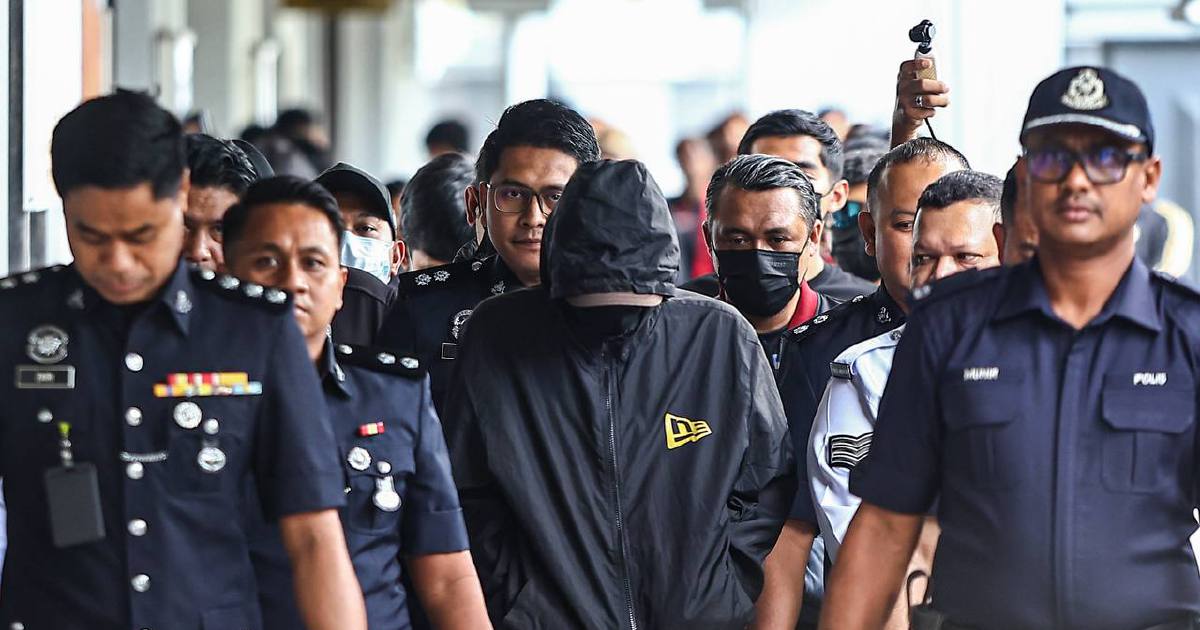
A lorry driver employed by Malaysia's Immigration Department appeared before the magistrates' court in Kuala Lumpur today to face five charges stemming from a catastrophic traffic accident that claimed three lives at the Maju Junction intersection. The driver formally claimed trial on all charges, signalling his intention to contest the allegations rather than accept guilt. Among the accusations levelled against him are three separate counts of causing death by reckless or dangerous driving, the most serious offence arising from the incident that occurred the previous day.
The Maju Junction intersection, a major traffic hub in the Kuala Lumpur metropolitan area, has been the scene of numerous vehicular incidents over the years, reflecting broader concerns about road safety in the capital's increasingly congested road network. The fatal collision serves as a stark reminder of the dangers inherent in Malaysia's busy traffic corridors, where heavy vehicles operating in high-density urban environments pose particular risks to other road users and pedestrians. The involvement of a government-operated vehicle in such a tragedy underscores the importance of rigorous safety protocols and driver training standards across all transportation sectors, including those responsible for state functions.
The three fatalities resulting from the crash have devastated a single family, amplifying public attention to the incident and raising difficult questions about accountability and preventive measures. Fatal road accidents involving heavy vehicles frequently result in disproportionate casualties because of the mass and momentum involved when such vehicles lose control or collide with smaller passenger cars. The fact that all three victims belonged to the same family adds an additional dimension of tragedy that has resonated with Malaysian communities, many of whom can readily relate to the horrific circumstances.
The charges of causing death by reckless or dangerous driving carry significant legal implications in Malaysia. Under the Penal Code, such offences can result in substantial prison sentences and substantial fines, depending on the severity of the driving behaviour deemed to have caused the deaths. The evidence presented by prosecutors will need to establish that the driver's conduct fell below accepted standards of care and directly contributed to the loss of life. This might involve examination of vehicle maintenance records, the driver's work schedule and fatigue levels, speed assessments, and witness testimony regarding the events immediately preceding the collision.
The Immigration Department's involvement in this matter raises questions about internal protocols governing vehicle operations and driver welfare standards within government agencies. Public sector organisations operating heavy transport fleets bear considerable responsibility for ensuring their employees are adequately trained, properly rested, and operating vehicles maintained to safety standards. Any systemic failures in these areas could become relevant during legal proceedings and may prompt broader scrutiny of how immigration-related logistical operations are managed nationwide.
The case comes at a time when Malaysia has been grappling with persistently elevated road fatality rates, a public health challenge that authorities have sought to address through enhanced enforcement, awareness campaigns, and graduated licensing schemes. The Land Public Transport Agency and police have periodically highlighted the disproportionate role of heavy vehicles in fatal accidents, particularly within urban zones where mixed traffic patterns increase collision risks. Initiatives targeting professional drivers and commercial fleet operators have been part of the government's multi-pronged approach to reducing preventable deaths.
The court proceedings ahead will likely attract considerable media and public scrutiny, particularly given the government employment of the defendant and the loss of an entire family unit. The magistrate overseeing the case will need to carefully weigh evidence presented by prosecution and defence teams before determining whether to commit the matter to a higher court for trial should the charges be deemed sufficiently serious. Malaysian road accident investigations typically involve traffic reconstruction specialists and forensic assessments to establish precisely what sequence of events led to the collision.
For Malaysian road users and their families, incidents of this magnitude serve as sobering reminders of the importance of defensive driving practices and heightened vigilance when sharing roads with heavy commercial vehicles. Professional driving standards for large goods vehicle operators are periodically reviewed by transport regulators and industry bodies, yet enforcement of these standards remains an ongoing challenge across Southeast Asia's rapidly developing economies.
The Immigration Department may face separate administrative inquiries into whether departmental policies and procedures were properly followed at the time of the incident. Such internal investigations often run parallel to criminal proceedings and can result in disciplinary actions, policy amendments, or mandatory retraining programmes affecting other department employees. The outcome of the criminal trial will substantially influence public and governmental perceptions of accountability within transport operations across government agencies.

