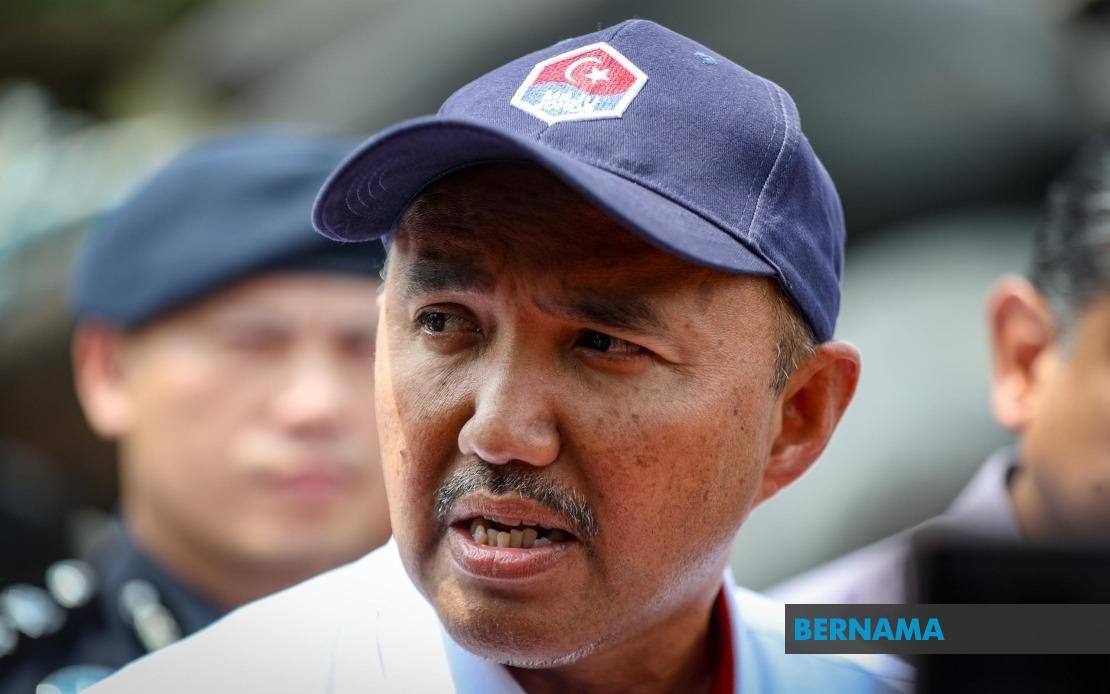
Datuk Mohd Jafni Md Shukor, the State Housing and Local Government Committee chairman, ordered the immediate shutdown of an illegal waste disposal operation in Kampung Maju Jaya after an integrated inspection revealed serious environmental violations affecting nearby residents. The coordinated enforcement action, which took place at the site along Jalan Kempas Lama-Seelong, targeted a collection facility processing mixed solid waste including organic materials and construction debris across 3.64 hectares of privately owned land within a larger 21-acre parcel.
The closure came in direct response to longstanding complaints from residents of the increasingly densely populated Jalan Seelong area, who reported persistent problems with odour and smoke pollution. Local complaints documented that waste collectors had been conducting large-scale open burning operations during evening hours, allowing smoke to drift directly into neighbouring residential zones. This pattern of nighttime burning formed the primary justification for the authorities' decision to take immediate action, prioritizing public health and community welfare as the enforcement drivers.
Investigations confirmed that the operator had been functioning entirely outside the formal regulatory framework. Neither a business licence from Johor Bahru City Council (MBJB) nor an operating permit from the Solid Waste and Public Cleansing Management Corporation (SWCorp) had been obtained. This dual regulatory breach meant the operation was flagrantly illegal under multiple jurisdictions, creating significant enforcement leverage for authorities.
The raid represented a comprehensive multi-agency operation involving the Royal Malaysia Police (PDRM), Department of Environment (DOE), SWCorp, MBJB, the Land and Mines Office, and Petronas. This level of coordination reflects the complexity of the violations, which extended beyond simple waste management failures to include land-use breaches, potential tax evasion, and environmental crimes. The breadth of participating agencies underscores how illegal dumping operations intersect with multiple regulatory domains and require sophisticated enforcement responses.
SWCorp immediately initiated an investigation paper under Section 75 of the Solid Waste and Public Cleansing Management Act 2007, establishing the legal foundation for prosecution. Conviction under this provision carries substantial penalties including fines ranging from RM10,000 to RM100,000, imprisonment, or both. The prosecuting authorities expect to submit their investigation findings within three months, indicating a relatively expedited timeline for formal charges.
Beyond the operational closure, authorities directed their attention toward the land owner, identified as a Singaporean national. The Land Office issued formal notice of action against this individual, as the three-year tax delinquency became apparent during the raid. The property owner's decision to lease agricultural land for waste collection purposes for approximately five years raises questions about either negligent oversight or potential tacit knowledge of the unlicensed operations occurring on the premises. The authorities remain investigating whether the landowner actively conspired with the operator or whether the arrangement represented an unauthorized sub-operation conducted without proper knowledge.
Enforcement personnel discovered extensive livestock operations at the site, including more than 300 chickens destined for seizure. Cattle and goats had reportedly been removed by the operator before authorities arrived, suggesting some advance warning or coordinated clearing of evidence. The presence of livestock farming alongside waste collection activities compounds the environmental and public health concerns, as animals in such environments face significant welfare risks and the combined operations create heightened contamination exposure for surrounding communities.
Petronas conducted a technical safety inspection confirming that the illegal dumping site posed no immediate hazard to nearby gas pipeline infrastructure, which runs approximately 150 metres from the collection area. This clearance, while reassuring from a catastrophic risk perspective, does not mitigate the serious environmental damage and community health impacts already documented through resident complaints and inspection findings.
Four individuals were arrested during the August 9 operation at approximately 10:30 am. One local suspect was detained under Section 55B of the Immigration Act 1959 and remanded for four days. Three Bangladeshi nationals were apprehended under Section 6(1)(c) of the same Act, having failed to produce valid work permits or immigration documentation. These three foreign nationals face 14-day remand periods pending further investigation, indicating authorities suspect potential human trafficking or serious labour violations beyond the waste management offences.
Datuk Mohd Jafni publicly warned that Johor's state government intends to pursue similarly aggressive enforcement against any parties involved in unauthorized land occupation, unlicensed business operations, or misuse of land licences throughout the state. This statement signals a broader policy shift toward stricter environmental and land-use compliance, suggesting residents in other localities may expect increased scrutiny of informal waste operations and agricultural businesses lacking proper regulatory authorization.
The Kampung Maju Jaya case reflects broader challenges confronting Malaysian municipalities in managing informal waste streams and preventing unauthorized industrial-scale operations from establishing themselves in residential zones. The intersection of land-use violations, environmental crimes, labour law breaches, and tax evasion demonstrates how illegal waste sites frequently serve as nodes for multiple regulatory violations. For Southeast Asian policymakers, the incident underscores the necessity for integrated enforcement approaches combining environmental, land, labour, and immigration authorities rather than siloed regulatory responses.

