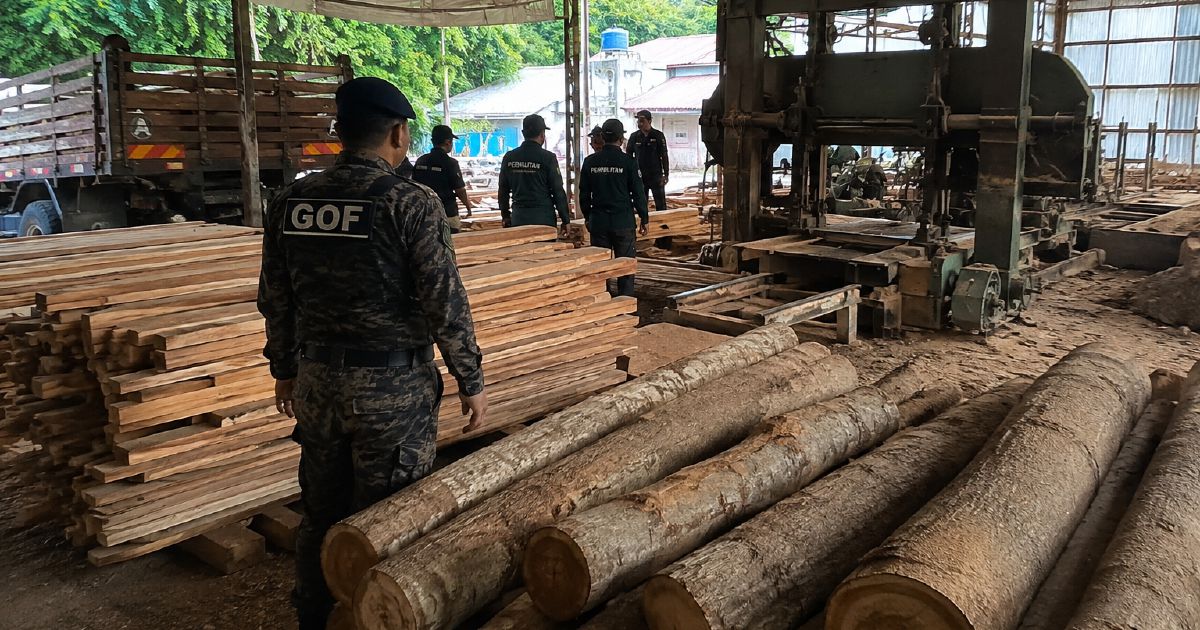
The General Operations Force mounted a significant enforcement operation at a Kuala Berang sawmill in Terengganu on Tuesday, recovering substantial quantities of confiscated timber alongside processing machinery. The seized materials totalled RM640,510 in estimated value, representing a meaningful blow to what authorities suggest was an unlicensed timber extraction and processing network. A 20-year-old male occupant was apprehended during the raid, as investigators undertake further enquiries into the operational scope and supply chains involved.
The raid reflects intensifying efforts by Malaysia's law enforcement agencies to combat the persistent challenge of illegal logging and unlicensed timber milling, which remain endemic problems across the country's forest-rich regions. Terengganu, like many states in Peninsular Malaysia with significant timber reserves, has long served as a focal point for both legitimate forestry operations and criminal networks exploiting forest resources. The scale of this particular seizure indicates that enforcement authorities are identifying sizeable underground operations that may have continued operations despite increasing regulatory scrutiny.
Illegal timber extraction imposes substantial costs on Malaysia's economy and environment. Beyond the immediate loss of state-owned forest resources, unlicensed mills operate outside regulated frameworks, evading taxation and circumventing sustainability requirements that legitimate operators must observe. These operations frequently leave behind environmental degradation, including cleared forest areas unsuitable for natural regeneration and waterway siltation caused by erosion at extraction sites. For Southeast Asia broadly, Malaysia's illegal timber trade intersects with transnational criminal networks trafficking forest products across borders, complicating enforcement efforts.
The equipment seizure component of Tuesday's operation highlights how enforcement agencies increasingly target the infrastructure enabling illegal processing, not merely the raw material itself. Confiscating machinery raises operational costs for those attempting to resume activities, as replacement equipment requires substantial capital investment. This represents a strategic shift in approach, aiming to dismantle the capacity for ongoing illegal production rather than simply removing discrete timber stocks.
The apprehension of the 20-year-old suspect will likely generate investigative leads into broader operational networks. Law enforcement agencies typically examine financial records, transportation arrangements, and customer relationships to determine whether arrested individuals operated autonomously or formed part of larger smuggling organisations. For many timber trafficking cases, individual arrest often unravels supply chains reaching upstream to logging sites and downstream to purchasers and export facilitators.
Terengganu's vulnerability to illegal logging stems partly from geographical factors and infrastructure limitations. Rural areas surrounding legitimate forest concessions present opportunities for clandestine extraction, while proximity to Thai and Kelantan borders creates transit routes for illegally felled timber. The state's long coastline also enables maritime smuggling of processed timber products, circumventing traditional land-based checkpoints. These geographical realities mean Terengganu requires sustained, resource-intensive enforcement commitment to maintain effective control.
The GOF's continued involvement in anti-timber-trafficking operations underscores the scale these activities have reached, elevating them from forestry enforcement matters to paramilitary-level interventions. This escalation reflects concerns that illegal timber networks increasingly employ sophisticated smuggling tactics and occasionally obstruct enforcement personnel. The GOF's military-style capabilities, including tactical deployment and equipment seizure authority, provide advantages over standard forest ranger or customs operations, though they also signal persistent enforcement challenges.
Malaysia faces international pressure to strengthen timber sector transparency and enforcement capacity. Trading partners in developed economies increasingly impose due diligence requirements on timber imports, requiring suppliers to demonstrate legal compliance and sustainability credentials. Organisations monitoring timber trafficking have documented Malaysia's role in both domestic illegal logging and regional timber smuggling networks, creating reputational and commercial pressures on the government to enhance enforcement effectiveness. Seizures like Tuesday's operation generate positive signals regarding anti-trafficking commitment, though they represent individual successes within broader patterns of persistent illegal activity.
For legitimate timber operators in Malaysia, ongoing enforcement against competitors operating outside regulatory frameworks remains economically significant. Licensed sawmills incur substantial compliance costs, including royalties to state forestry departments, environmental monitoring expenditure, and labour standards obligations. Unlicensed competitors operating without these cost burdens can undercut legitimate mills on price, potentially distorting market conditions. Effective enforcement that removes illegal operators theoretically improves competitive conditions for compliant businesses, though the pervasiveness of illegal activity suggests enforcement intensity remains insufficient to eliminate pricing distortions.
The investigation phase now facing authorities will determine whether this operation targets a localised activity or uncovers evidence of transnational trafficking dimensions. The value of seized equipment and materials suggests a moderately sophisticated operation requiring access to timber sources, processing capacity, and buyers—factors that may reveal interstate or international connections. Prosecution outcomes will likely influence how agencies calibrate future enforcement priorities and resource allocation across Terengganu's forest regions.

