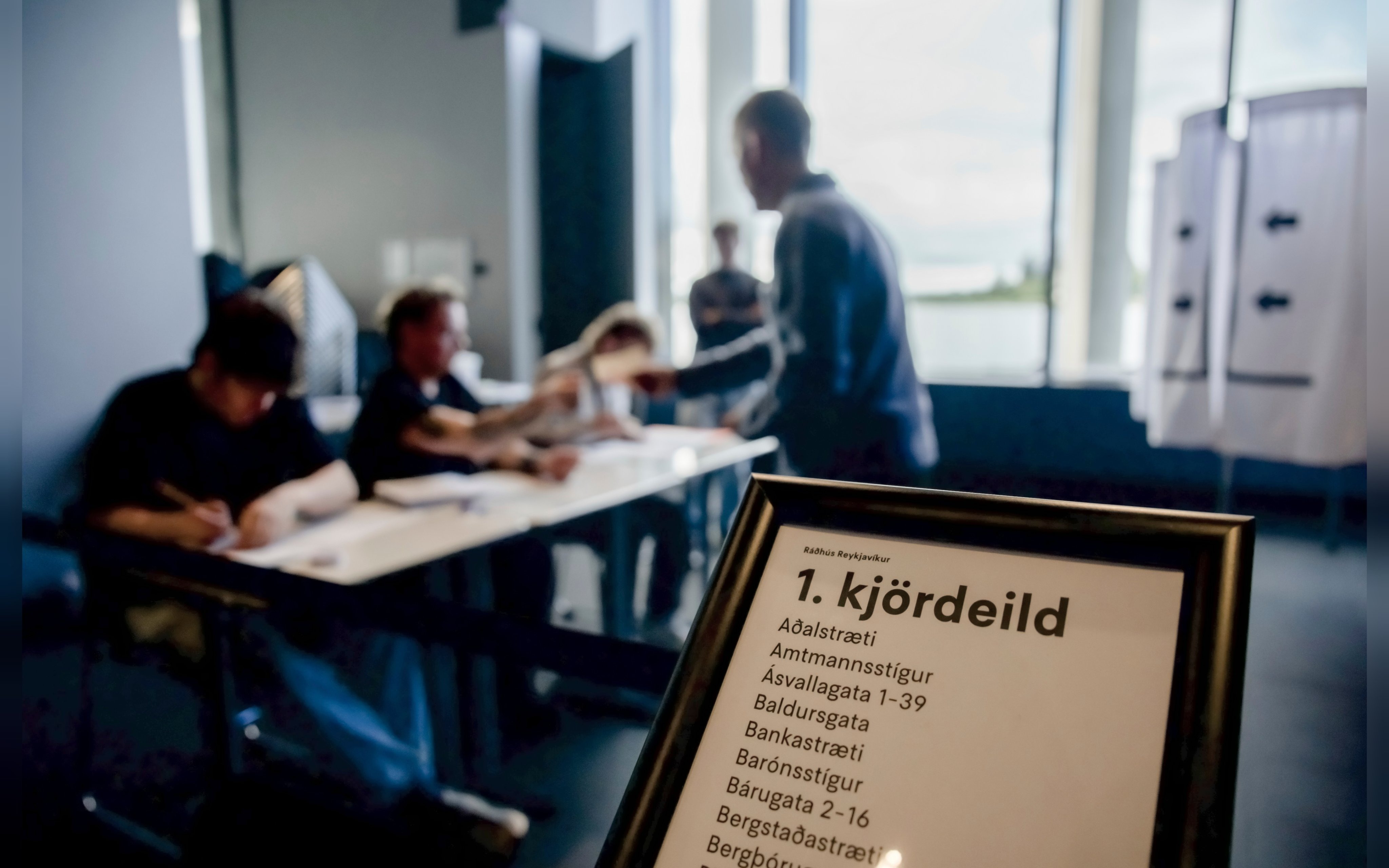
Iceland's electorate has delivered a setback to its pro-EU government by narrowly rejecting a proposal to restart negotiations on joining the European Union. Results from Sunday's referendum show that 52.8 per cent of voters opposed reopening accession talks, while 47.2 per cent supported the initiative. The close margin underscores deep divisions within Icelandic society over the country's future alignment with the bloc, a question that has periodically resurface as geopolitical circumstances shift across the North Atlantic region.
The Social Democratic-led government, which came to power following the 2024 election, had championed the referendum as part of its platform. In March, the administration announced plans to put the EU membership question directly to voters, hoping that renewed international security concerns and economic considerations would sway public opinion in favour of resuming formal talks that had been dormant for over a decade. The government's push reflected changing calculations about Iceland's strategic position and economic opportunities within a more integrated Europe.
Iceland first submitted its membership application in 2009 during the aftermath of the global financial crisis, which devastated the island nation's economy with particular severity. At that time, EU membership appeared to offer stability, access to larger markets, and potential financial support for reconstruction. Formal accession negotiations began but stalled in 2013 when a eurosceptic government took office, reflecting a shift in public and political sentiment toward maintaining independence from Brussels.
The persistence of fishing industry concerns has proven the most durable obstacle to EU membership, transcending changes in government and shifting international contexts. Iceland's fishing sector remains the backbone of the national economy, and many Icelanders harbour deep concerns about relinquishing control over their maritime zones and fish stocks to European Commission oversight. Fishing quotas and access rights represent not merely economic interests but matters of national identity and self-determination for a nation whose historical prosperity has depended on oceanic resources.
Opposition to EU membership extends beyond sectoral concerns to broader philosophical objections about national sovereignty and autonomy. Critics argue that joining the bloc would compromise Iceland's ability to chart an independent course on matters ranging from immigration policy to environmental regulation. For a small nation with a distinctive culture and homogeneous population, membership in a larger political structure raises questions about preserving Icelandic distinctiveness and decision-making authority in domains affecting daily life.
The referendum result reflects Iceland's ambivalent relationship with European integration that has characterised the past two decades. Despite membership in the European Economic Area and other cooperative frameworks, Iceland has maintained strategic distance from formal EU structures. The narrow vote tally suggests that roughly half the electorate sees merit in closer integration, viewing EU membership as offering security guarantees, economic cooperation, and geopolitical alignment at a moment when European security architecture faces new stresses.
For Southeast Asian observers, Iceland's experience offers instructive parallels to recurring debates within ASEAN about regional integration depth and sovereignty preservation. Like Iceland, ASEAN members frequently balance aspirations for enhanced economic cooperation and collective security against concerns about surrendering decision-making autonomy to supranational bodies. The Icelandic case illustrates how fishing and resource management disputes can become symbolic battlegrounds in larger sovereignty debates, much as maritime claims and resource rights animate regional discussions across Southeast Asia.
The geopolitical context surrounding this referendum differs markedly from conditions when accession talks were suspended a decade ago. Renewed strategic competition in the Arctic, the proximity of NATO members, and economic uncertainties have injected new urgency into Iceland's relationship with Europe. However, these external factors proved insufficient to overcome persistent domestic reservations about EU membership, suggesting that security and economic arguments alone cannot overcome deeply rooted concerns about institutional autonomy and resource control.
Looking ahead, the referendum outcome leaves Iceland's EU question unresolved and potentially dormant once more. The Social Democratic government must now recalibrate its European strategy without a mandate to pursue formal accession talks. Future developments will likely depend on how international circumstances evolve and whether Icelandic political leadership can address the specific fisheries and sovereignty concerns that continue to galvanise opposition. The result demonstrates that even in small, developed democracies with strong European ties, the path to EU membership remains contingent on maintaining public support in the face of persistent anxieties about national independence.

