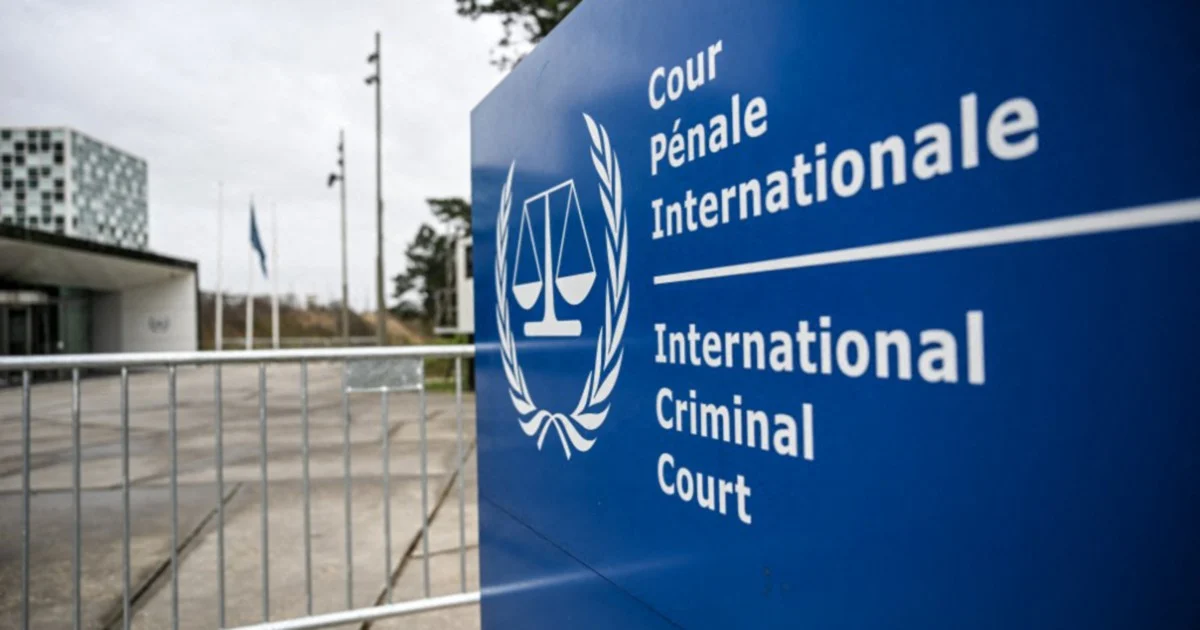
Three judges serving at the International Criminal Court have initiated legal proceedings in US federal court against President Donald Trump and other senior American officials, disputing the constitutional and legal validity of sanctions recently imposed on them. The lawsuit, filed on Wednesday in New York, represents an escalation in the brewing diplomatic dispute between Washington and The Hague-based tribunal, which has become increasingly contentious during Trump's administration.
The sanctioned judges argue that the measures taken against them operate outside the scope of lawful presidential authority and contravene established principles of international law governing diplomatic immunity and judicial independence. Their legal challenge seeks to overturn what they characterise as punitive action targeting them for their official functions at the ICC, an institution that has increasingly drawn ire from the Trump White House over its investigations and prosecutorial independence.
The sanctions programme targeting ICC officials stems from the court's investigation into potential war crimes and crimes against humanity committed by US military personnel and officials. This investigation has sparked fierce backlash from successive American administrations, which view the ICC's assertion of jurisdiction over American citizens as an overreach that threatens national sovereignty. The Trump administration's decision to impose financial sanctions and travel restrictions on ICC judges represents an unprecedented escalation of this conflict, signalling Washington's willingness to employ economic and diplomatic coercion against tribunal members.
The judges' lawsuit challenges the factual and legal premises underlying the sanctions, contending that their judicial actions in investigating alleged American misconduct constitute a legitimate exercise of the court's mandate. They argue that targeting judges for performing their official duties strikes at the heart of judicial independence and creates an untenable chilling effect on international justice mechanisms. The legal complaint likely invokes principles established through decades of international jurisprudence protecting judges from political retaliation for unpopular decisions.
For Malaysia and Southeast Asia, this confrontation between Washington and the ICC carries significant implications. The region has traditionally viewed the ICC as a crucial institution for addressing mass atrocities and holding powerful actors accountable. However, many Southeast Asian nations maintain close security and economic ties with the United States, creating diplomatic pressures when Washington and international institutions clash. The lawsuit underscores tensions between upholding international law frameworks and accommodating the interests of major powers within those same systems.
The Trump administration's approach to the ICC reflects a broader strain of American exceptionalism that prioritises national sovereignty over international legal commitments. By imposing sanctions on judges investigating potential American conduct, the administration signals that no international body lies beyond its reach when perceived American interests are at stake. This posture, while intended to protect American service members and officials, also raises questions about the sustainability of international legal institutions when powerful nations selectively obey or circumvent their obligations.
The lawsuit introduces complex jurisdictional and immunity questions for American courts. The judges will argue they possess immunities under international law and various agreements governing the ICC's status and operations. The US government, by contrast, is likely to assert that domestic courts possess authority to enforce sanctions legislation and that no international immunity extends to judicial proceedings within American territory. The ultimate outcome may hinge on how courts interpret the interplay between domestic sovereignty and international legal obligations.
This legal action also reflects deeper frustrations within the ICC regarding its political position. The court has faced criticism from numerous quarters—some arguing it lacks sufficient independence while others contend it overreaches its mandate. The Trump administration's aggressive tactics against specific judges, however, risk consolidating international opinion against American pressure tactics, potentially strengthening the ICC's institutional resilience despite legitimate debates about its efficacy and impartiality.
For observers across the region, the case demonstrates how geopolitical competition increasingly shapes global governance institutions. When major powers perceive international mechanisms as threatening their interests, they resort to various pressure tactics. Southeast Asian nations, several of which are ICC signatories or have observer status, must navigate these crosscurrents while balancing principled commitment to international justice against practical relationships with major powers. The judges' lawsuit may ultimately clarify whether such legal challenges can succeed in American courts or whether judicial deference to executive authority will prevail.
The broader implications extend beyond this specific dispute. If the Trump administration can effectively isolate ICC judges through sanctions while facing only legal challenges rather than substantial consequences, other powerful nations may adopt similar tactics against inconvenient international institutions. Conversely, if US courts rule against the government, it could strengthen the ICC's institutional position and signal that even American pressure cannot circumvent international legal principles. For Southeast Asia, either outcome carries consequences for the durability and impartiality of institutions that many nations depend upon to address regional security and justice concerns.
The coming legal proceedings will test fundamental questions about the relationship between US domestic law and international legal frameworks. The judges' arguments will likely emphasise that international institutions cannot function if their officials face retaliation from powerful states for performing mandated duties. The outcome may ultimately influence how the region views its own participation in global governance structures and the reliability of international mechanisms for addressing transnational crimes and conflicts.

