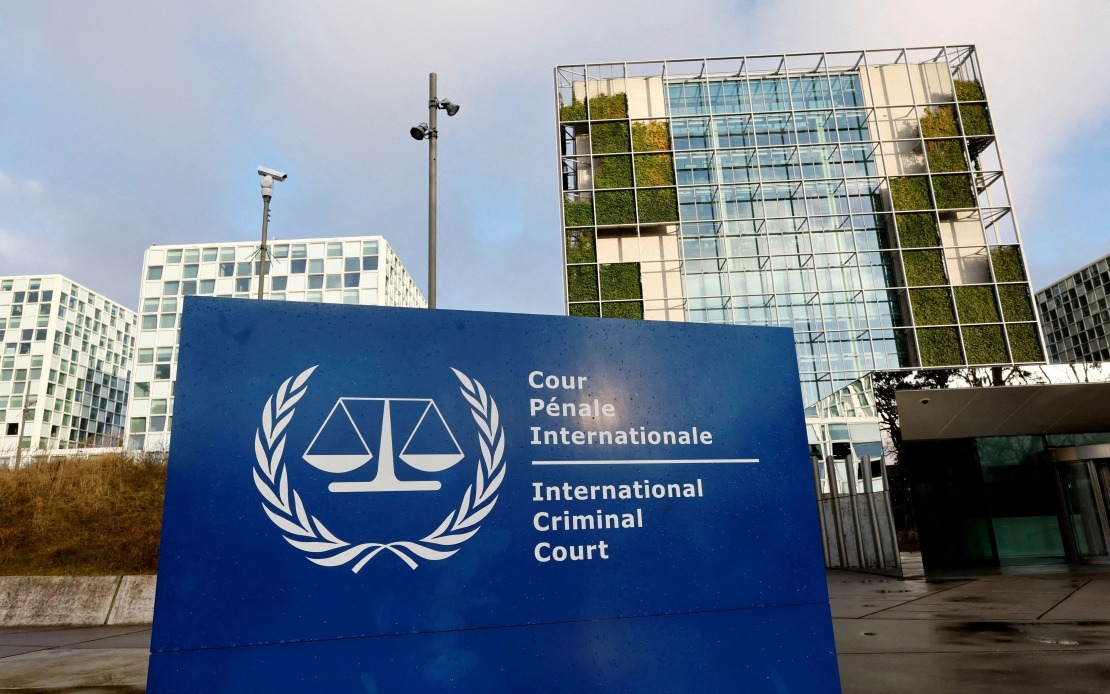
The International Criminal Court has mounted a forceful rebuke of new sanctions imposed by the United States, characterising them as a direct assault on the institution's ability to function as an impartial arbiter of international justice. The court's statement, issued Wednesday from its base at The Hague, targeted measures that have brought sanctions against ICC President Tomoko Akane of Japan and Abdoulaye Seye of Senegal, a senior trial lawyer in the prosecutor's office, adding to an expanding list of sanctioned court personnel.
The escalation of American punitive actions against the ICC represents a significant escalation in tensions between Washington and the international judicial body. The court now finds itself with nine of its 18 judges, both deputy prosecutors, a former prosecutor, and one staff member all facing US sanctions—a staffing situation that raises fundamental questions about the institution's operational capacity and independence. This growing roster of sanctioned officials underscores deepening friction between the court and the American government over matters of international criminal justice.
In its statement, the ICC characterised the sanctions as undermining the foundational principles upon which international law rests. The court argued that measures targeting judicial officers for fulfilling their institutional mandate attack the very essence of an independent court mandated by its member states across multiple regions. This framing positions the dispute not merely as a bilateral disagreement but as a broader challenge to the legitimacy and function of international legal institutions that operate across geopolitical divides.
The implications for international justice extend beyond institutional squabbles. According to the court, coercive measures and threats directed at judges and prosecutors directly compromise victims' access to justice, particularly those who have exhausted domestic remedies and turned to the ICC as a forum of last resort. This argument carries particular weight for affected populations in conflict zones and countries where national judicial systems have collapsed or proven unwilling to prosecute grave international crimes. By constraining the court's operations through sanctions, critics argue the US indirectly impedes justice for vulnerable populations worldwide.
The ICC's firmness in this response reflects broader concerns about sovereign pressure on international institutions. The court emphasised its commitment to discharging its mandate with full independence and impartiality, operating strictly within parameters established by the Rome Statute, the foundational treaty that established the institution. This reassurance appears directed both at member states and civil society organisations that rely on the court's integrity, signalling that despite external pressures, the institution intends to maintain its judicial functions.
The sanctions regime targeting ICC officials has become an increasingly contentious tool in American foreign policy. The US has justified such measures based on its assertion that the court has overstepped its mandate or pursued investigations the American government considers politically motivated. However, the ICC's interpretation differs markedly—the court views its investigations and prosecutions as natural extensions of its jurisdictional authority under the Rome Statute, which binds its member states to cooperate with investigations into crimes within the court's purview.
For Southeast Asian observers, this friction between Washington and the ICC carries particular significance. While most ASEAN nations are not ICC signatories, several regional partners maintain relationships with the court and respect international legal frameworks. The deterioration in US-ICC relations potentially signals broader questions about American commitment to international institutions and rule-based orders, matters that have direct bearing on regional stability and dispute resolution mechanisms that Southeast Asian states have invested in developing.
The court's welcoming of support from member states and civil society organisations suggests awareness that its legitimacy increasingly depends on demonstrating unwavering commitment to international justice despite political headwinds. This diplomatic signal serves multiple audiences—reassuring nations that have ratified the Rome Statute that their investment in the institution remains worthwhile, while simultaneously appealing to human rights advocates and victims' rights organisations that champion the court's mandate.
The unfolding dispute raises fundamental questions about the sustainability of international institutions in an era of great power contestation. If major powers can effectively disable international courts through sanctions targeting their officials, the utility and independence of such institutions come into serious question. The ICC's determination to proceed with its mandate despite these constraints reflects both institutional resolve and recognition that capitulating to sanctions would effectively render the court a subsidiary of powerful states rather than an impartial arbiter of international criminal law.
Looking forward, the trajectory of this conflict will likely influence how other international bodies navigate similar pressures. The ICC's response sets a precedent for institutional defiance against external coercion, though questions remain about whether such principled stands can be maintained indefinitely without meaningful support from influential governments. The court's appeal to its member states and civil society appears designed to build coalitions capable of sustaining international justice institutions against unilateral pressure, a critical consideration for global governance in an increasingly fragmented international environment.

