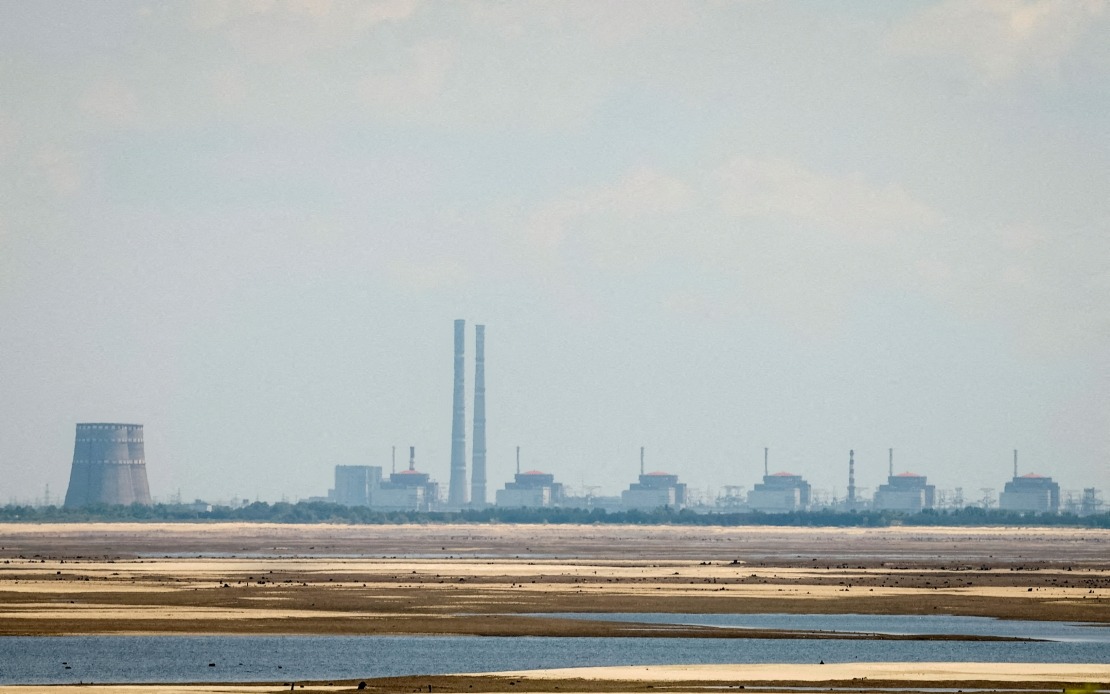
The International Atomic Energy Agency has raised fresh alarm over deteriorating conditions at the Zaporizhzhia Nuclear Power Plant, reporting that the sprawling facility experienced its 21st loss of off-site power since Ukraine's conflict intensified. The outage on Friday, triggered when the plant disconnected from the critical 330 kV Ferosplavna-1 transmission line, represents the latest in an alarming pattern of electrical disruptions that underscores the precarious position of one of Europe's most vital energy installations.
The blackout resulted from military activity affecting electrical protection systems on transmission lines supplying the nuclear complex, according to IAEA personnel stationed on-site. When external power severed, the facility's backup diesel generators engaged automatically to sustain cooling operations for the reactors and preserve other essential safety infrastructure. While these emergency protocols functioned as designed, the repeated necessity of relying on backup systems reveals a troubling vulnerability in the plant's operational resilience.
IAEA Director General Rafael Grossi articulated growing concerns about the plant's precarious position, emphasising that the latest incident underscores the extreme fragility characterising nuclear safety at Zaporizhzhia. His statement reflects mounting international anxiety that the accumulation of power disruptions—21 separate incidents in little more than a year—creates compounding risks to secure reactor operations. Each loss of external power represents a potential flashpoint where cascading failures could compromise cooling capacity, the fundamental requirement preventing catastrophic meltdown scenarios.
For Malaysian readers and Southeast Asian observers, the Zaporizhzhia situation carries implications extending beyond Ukrainian territory. The vulnerability of a major nuclear facility during active conflict demonstrates the vulnerability of civilian infrastructure in modern warfare and raises uncomfortable questions about regional nuclear security. With several Southeast Asian nations pursuing nuclear energy development—including plans for Cambodia, Vietnam, and others—the Zaporizhzhia experience offers sobering lessons about ensuring nuclear facilities maintain operational integrity amid geopolitical tensions.
The repeated power disruptions at Zaporizhzhia expose a fundamental weakness in modern nuclear infrastructure: the dependence on complex, interconnected electrical grids that remain susceptible to warfare, whether direct military action or collateral damage from broader conflicts. Each transmission line carrying power to the plant represents a single point of failure, and the 21 incidents reveal how easily military operations can sever these critical connections. The plant's reliance on diesel backup systems provides temporary safety margins but cannot substitute indefinitely for reliable external power.
Grossi's call for maximum military restraint reflects the IAEA's explicit recognition that conventional military operations and nuclear safety operate on incompatible timescales and risk profiles. Nuclear facilities require uninterrupted stability; military operations inherently introduce unpredictability and destructive potential. The tension between these competing imperatives has transformed Zaporizhzhia from a technical infrastructure challenge into a broader geopolitical concern, attracting diplomatic attention from international actors concerned about nuclear accident risks.
The plant's status as one of Europe's largest nuclear complexes amplifies the stakes surrounding each power disruption. Zaporizhzhia's capacity and geographical position within Ukraine's energy infrastructure mean that operational failures could reverberate across European power markets and supply chains. For Southeast Asia, which remains heavily integrated into global energy markets and increasingly dependent on reliable electricity supplies for economic competitiveness, disruptions affecting major nuclear facilities anywhere carry tangible consequences for regional energy security and pricing.
The accumulation of 21 power loss incidents over a compressed timeframe suggests deteriorating conditions rather than isolated technical mishaps. Each blackout follows similar patterns—military activity affecting transmission infrastructure—indicating that external power remains vulnerable to ongoing conflict dynamics. This pattern suggests that merely repairing damaged lines provides only temporary solutions unless underlying military pressures ease substantially. The IAEA's documentation of these recurring incidents creates an escalating record of safety concerns that international institutions cannot ignore.
Diesel generators, while essential backup systems, operate under constraints that permanent external power does not face. Fuel supplies require logistics, generator components degrade through extended operation, and maintenance protocols become increasingly challenging during active conflict. Extended reliance on backup systems gradually erodes their reliability and effectiveness, creating a slow-motion degradation of nuclear safety margins. The 21th loss of external power may seem routine to distant observers, but it represents another increment in a concerning trajectory toward potential system failure.
The IAEA's elevated rhetoric about fragility and the necessity for military restraint reflects an institution pushing against its inherent limitations. The agency possesses technical expertise and monitoring capacity but lacks enforcement mechanisms or political authority to compel military actors to modify operations around nuclear facilities. This fundamental gap between IAEA's analytical capabilities and its ability to influence ground-level military conduct shapes international responses to Zaporizhzhia's deteriorating situation.
For Southeast Asian policymakers contemplating nuclear energy expansion, the Zaporizhzhia experience provides essential context for risk assessments. Nuclear facilities require not merely technical competence and safety protocols but also political stability and security environments capable of protecting critical infrastructure from military threats. The region's ongoing geopolitical tensions—particularly surrounding maritime disputes and great power competition—suggest that future nuclear facilities might face environments less stable than those assumed during plant design and licensing phases.
The broader implications of Zaporizhzhia's vulnerability extend to international norms governing civilian infrastructure protection during conflicts. Nuclear facilities occupy a special category deserving particular protection, yet the repeated power disruptions demonstrate that conventional military operations show limited deference to such status. Establishing and enforcing mechanisms protecting nuclear plants from military action remains an outstanding challenge for international security frameworks and reflects broader tensions between military necessity and civilian protection principles.

