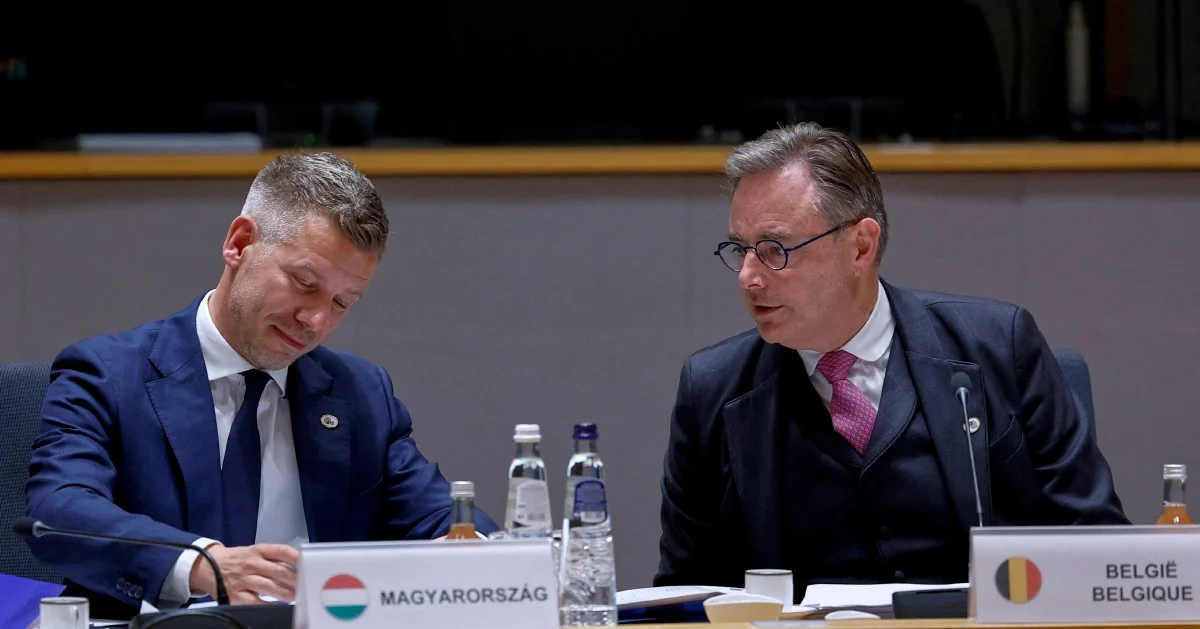
Hungary's legislature is poised to ratify a package of anti-corruption legislation this week, marking a significant pivot in governance under Prime Minister Peter Magyar's administration. The measures represent a frontal assault on systemic graft issues that have long troubled international observers and triggered severe financial consequences for Budapest. The timing is deliberate and critical: the Hungarian government has been locked out of substantial EU funding streams, with Brussels withholding billions of euros pending demonstrated progress on judicial independence, transparency, and anti-corruption mechanisms. Magyar's reform agenda signals an attempt to rebuild trust with Brussels and recover frozen disbursements that would otherwise remain inaccessible.
The European Union has grown increasingly assertive in conditioning financial support on governance standards, using leverage to push member states toward cleaner institutional practices. Hungary's situation illustrates this dynamic in sharp relief. Brussels had escalated pressure by suspending or redirecting funding allocations, creating acute budget pressures for Budapest as it tries to meet domestic spending commitments and investment needs. The corrosive effects of prolonged fund suspension extend beyond immediate budgetary strain; they signal international concern about institutional integrity and create investor uncertainty about Hungary's medium-term economic trajectory. For a Central European nation seeking to maintain credibility in both EU and global financial markets, the accumulation of suspended funds represents a mounting economic burden that reform efforts directly address.
Magyar's ascension to the premiership itself reflected frustration with the governance trajectory under his predecessor. His platform emphasised restoring institutional credibility and dismantling networks of patronage and corrupt relationships that had become deeply embedded in Hungarian state structures. The anti-corruption measures now pending parliamentary approval constitute the operational embodiment of these pledges. Rather than symbolic gestures, the legislation targets substantive architectural changes to how power flows through Hungarian institutions, potentially affecting procurement processes, official appointment mechanisms, and oversight capacities.
The reform package gains additional weight from its implications for the broader Central European region. Hungary's struggle with governance standards parallels challenges elsewhere in post-communist Europe, where wealth concentration and patronage networks have persisted decades after democratic transition. Poland, the Czech Republic, and Slovakia have navigated similar pressures from Brussels regarding judicial independence and transparency. Hungary's willingness to undertake substantive legislative reform could establish precedent and create momentum for neighbouring states to advance parallel initiatives. Conversely, failure to implement genuine change could deepen scepticism about whether legislative reform rhetoric translates into institutional transformation across the region.
The financial stakes are enormous. EU funding represents a meaningful proportion of Hungarian state revenue and investment capacity, particularly for infrastructure projects and development initiatives that smaller member states depend upon to maintain competitiveness. The withheld amounts reportedly reach into the billions of euros—sums that would materially alter Budapest's fiscal flexibility and investment horizons if restored. This reality creates powerful incentive for Hungarian lawmakers to demonstrate seriousness about governance transformation, at least sufficiently to convince Brussels that reform momentum is genuine and irreversible.
However, the translation of legislation into lived institutional practice presents a distinct challenge. Hungary has previously enacted anti-corruption laws that failed to generate commensurate improvements in actual transparency or reduced patronage. Implementation gap between formal rules and operational reality remains a critical vulnerability in Central European governance. Magyar's government will face persistent scrutiny from both EU monitors and domestic civil society organisations concerning whether the legislative framework translates into measurable changes in how power operates. This scrutiny serves a useful function; external pressure combined with domestic accountability mechanisms creates the conditions under which formal reforms have greater likelihood of actually reshaping institutional behaviour.
The anti-corruption initiative also carries domestic political implications. Magyar must navigate competing pressures from factions within Hungarian politics with varying commitments to genuine reform. Some constituencies benefit from existing arrangements and will resist transparency measures that expose their interests. Others, particularly younger urban voters and civil society actors, have demanded accountability and institutional overhaul. The legislative package represents an attempt to maintain reform momentum whilst managing these competing pressures. Success requires demonstrating concrete progress rapidly enough to sustain political support for further changes whilst avoiding backlash from those disadvantaged by transparency measures.
For Southeast Asian observers, Hungary's experience offers instructive lessons about the intersection of domestic governance reform and international financial leverage. The EU's willingness to withhold substantial funding streams to incentivise institutional change demonstrates how external actors can create meaningful pressure on member state governments. Yet the Hungarian case also illustrates the limitations of financial leverage alone; genuine reform requires sustained domestic political will, institutional capacity, and constituencies with vested interests in transparent governance. Malaysia and other ASEAN states navigating their own governance challenges might extract useful perspectives from Hungary's reform trajectory, particularly regarding the mechanisms through which international oversight can complement domestic reform efforts.
The parliamentary vote scheduled for this week will determine whether Magyar's government can advance its anti-corruption agenda immediately. Approval would signal initial momentum toward restoring EU confidence and creating conditions for fund recovery. Rejection or significant dilution would indicate persistent obstacles to meaningful reform and prolonged estrangement from Brussels financing. Either outcome will carry implications extending beyond Hungary itself, affecting broader perceptions of governance reform capacity throughout post-communist Europe and establishing expectations about how seriously Central European governments approach accountability and transparency challenges.