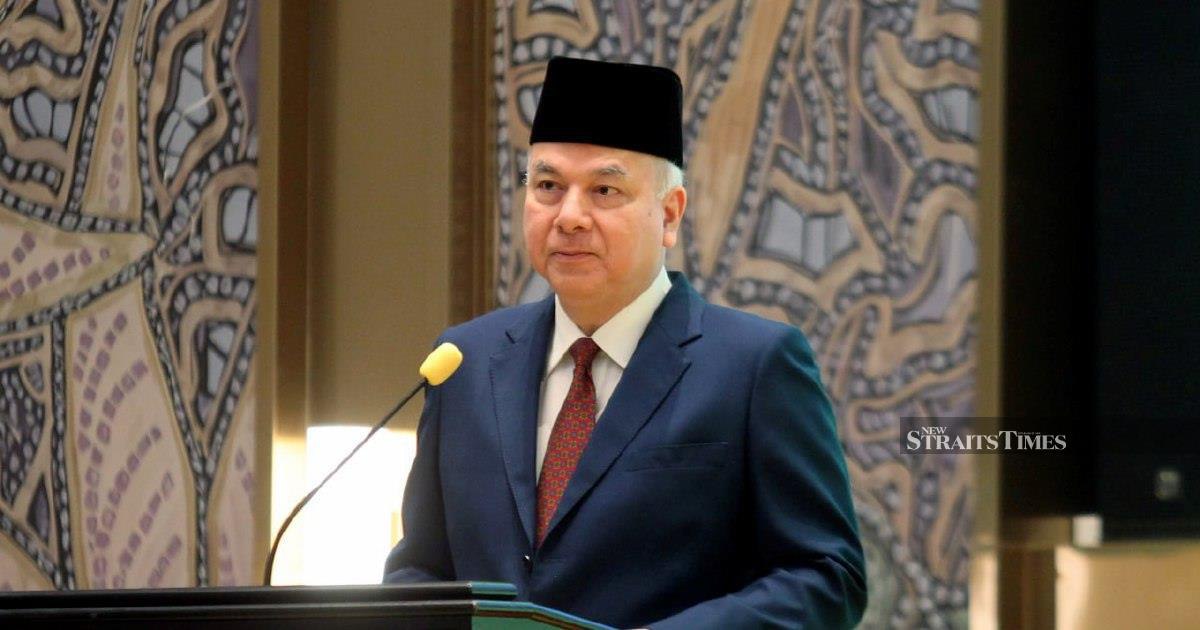
Sultan Nazrin Shah of Perak has articulated a fundamental challenge to how nations measure their own prosperity and advancement. Speaking in Ipoh, the Sultan rejected the prevailing narrative that treats economic indicators, urban development, and infrastructure projects as the primary benchmarks of a country's achievement. Instead, he proposes that authentic national success should centre on how well a society protects and nurtures the dignity of all its people, particularly those confronting profound hardships.
This perspective carries particular resonance in Southeast Asia, where rapid urbanisation and industrialisation have created a widening gap between gleaming metropolitan centres and communities left behind by development. Malaysia itself has witnessed unprecedented growth in construction and infrastructure over recent decades, with major cities transformed by highrise developments and expanded transportation networks. Yet such growth frequently masks persistent inequalities, inadequate social safety nets, and marginalised populations whose circumstances have deteriorated even as national GDP expanded. The Sultan's words invite reflection on whether Malaysian policymakers have prioritised the right developmental outcomes.
The principle of human dignity encompasses far more than material welfare alone. It speaks to access to quality healthcare, meaningful education, economic opportunity, and social support systems that function equitably. It addresses how societies treat their elderly, their mentally ill, their poor, and those facing chronic illness or disability. These considerations rarely feature prominently in official economic reporting or development announcements, yet they profoundly shape the lived experience of ordinary citizens. A nation might boast record GDP growth and architectural landmarks, yet fail its people if hospitals are overcrowded, schools are underfunded, and vulnerable populations lack adequate assistance.
The Sultan's intervention also resonates with growing international recognition that conventional economic measures inadequately capture genuine wellbeing. Scholars and policymakers increasingly argue that gross domestic product obscures crucial information about inequality, environmental degradation, social cohesion, and quality of life. Some nations have begun developing alternative frameworks that incorporate health outcomes, educational achievement, environmental sustainability, and social trust alongside financial metrics. The Sultan's statement aligns Malaysia with this emerging understanding that narrower economic yardsticks may misdirect governmental priorities.
Within the Malaysian context, this sentiment assumes additional weight given the nation's complex social composition and historical commitments to inclusive development. Malaysia's constitutional framework explicitly acknowledges responsibilities toward all citizens and communities. Yet implementation often falters, with vulnerable groups—including the homeless, the severely disabled, marginalised indigenous communities, and those living below the poverty line—frequently discovering that rhetorical commitment translates poorly into concrete support. The Sultan's emphasis on human dignity thus serves as a pointed reminder of foundational national principles that require actualisation.
The statement also implicitly critiques the assumption that development automatically improves human welfare. Thailand's glittering Bangkok skyline coexists with severe inequality and unmet social needs. Indonesia's economic expansion has concentrated benefits among elites while many rural communities lack basic services. The Philippines' rapid urban growth has created sprawling megacities where prosperity and desperation sit uncomfortably adjacent. Malaysia risks replicating these patterns if it permits infrastructure ambitions to overshadow investments in human security and social protection. The Sultan's words warn against such misplaced priorities.
Implementing this vision requires substantial reorientation of public resources and policy emphasis. It means directing investment toward healthcare systems capable of serving all socioeconomic strata, education programs genuinely accessible to disadvantaged communities, and social assistance that reaches those most vulnerable to economic shocks. It requires honest assessment of where current spending allocations genuinely serve human flourishing versus where they primarily generate statistics suitable for international reporting. Such reorientation would demand difficult choices about competing claims on limited budgets.
The Sultan's framing also carries implications for how Malaysia positions itself regionally and globally. While many developing economies justify substantial infrastructure expenditure as necessary for attracting investment and improving competitiveness, they often neglect the corresponding obligation to ensure their own populations benefit equitably from growth. A nation that builds impressive infrastructure while tolerating homelessness, inadequate public healthcare, and mass poverty presents a contradictory development model. The Sultan suggests that true competitive advantage emerges not from the tallest buildings but from societies where human potential flourishes because dignity is protected and basic needs are met.
Regional observers will note that this perspective diverges markedly from rhetoric frequently heard from other Southeast Asian leaders who emphasise megaprojects and growth statistics. It also differs from purely market-oriented approaches that treat social welfare as secondary to GDP expansion. By contrast, the Sultan articulates a vision where economic progress serves human purposes rather than becoming an end in itself. This distinction matters profoundly for ordinary Malaysians who increasingly question whether development is translating into improved quality of life.
Moving forward, the Sultan's intervention provides intellectual foundation for advocating policy reforms that prioritise universal healthcare accessibility, educational quality across all communities, adequate social pensions for the elderly, and meaningful employment opportunities. It legitimises questioning whether Malaysia's spending patterns align with stated national values and whether current development trajectories genuinely advance the wellbeing of all Malaysians. For policymakers, the challenge involves translating such convictions into budgetary commitments and legislative action that demonstrably improve conditions for those facing life's harshest circumstances.