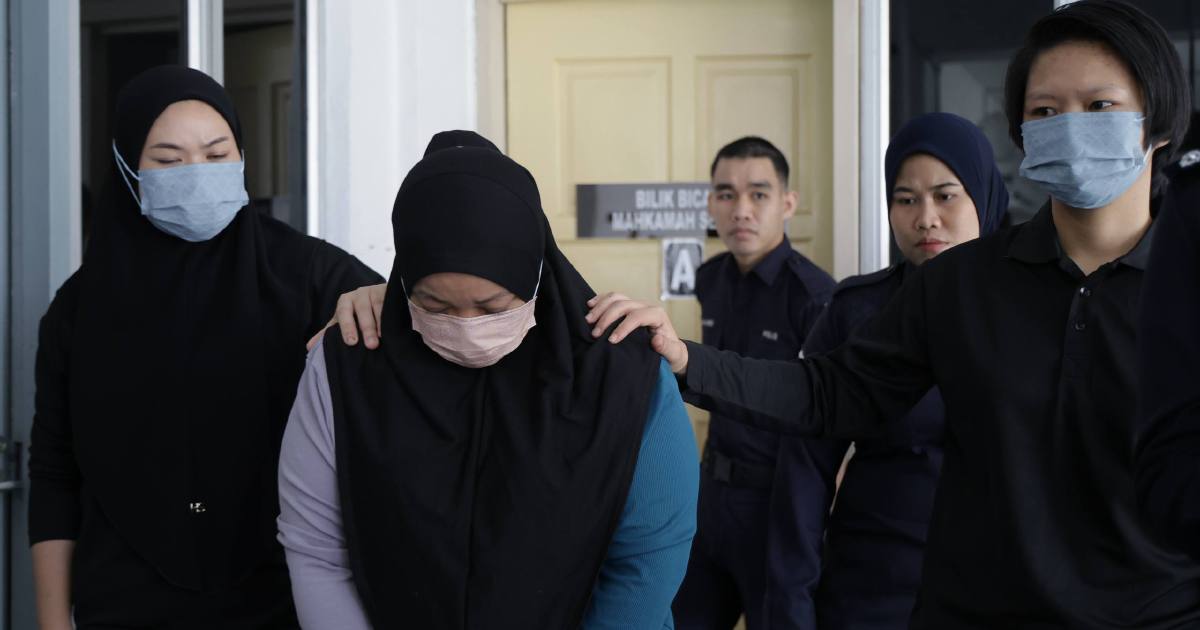
A 39-year-old housewife has been charged with murder in relation to the death of a 16-month-old child in Kota Tinggi, marking another troubling case of violence involving vulnerable family members in Malaysia. The accused made her first appearance before the Magistrate's Court in Kota Tinggi, where formal charges were laid against her for the death of the toddler, who was her step-granddaughter. The incident has drawn attention to ongoing concerns about child safety within households and the protection of young children who depend entirely on their caregivers for security and wellbeing.
The child's death occurred last month, and authorities launched an investigation that ultimately led to the arrest and charging of the housewife. The case represents one of several incidents in recent years highlighting the vulnerability of infants and toddlers to harm, even within family settings where they should theoretically be safest. The courts take such charges with utmost seriousness, and murder allegations involving children typically generate substantial legal scrutiny and public concern.
The jurisdiction of Kota Tinggi, located in Johor, has handled various serious criminal matters in recent times. The Magistrate's Court proceeding reflects the initial stage of the judicial process, where the accused is formally informed of charges and proceedings commence. Under Malaysian criminal procedure, such grave offences must be tried in higher courts, and this initial appearance serves to establish the court's involvement and set the legal framework for subsequent proceedings.
Child safety remains a persistent challenge across Malaysia and the broader Southeast Asian region. While statistical data on child abuse cases shows variation, experts consistently emphasize that many incidents go unreported due to family stigma and reluctance to involve authorities. Cases involving household violence affecting infants are particularly distressing because victims cannot communicate or defend themselves, leaving them entirely dependent on protective adults who may themselves pose the threat.
The legal framework governing murder cases in Malaysia mandates careful investigation and prosecution. The charge of murder requires proof of intention to cause death or knowledge that death would result from the accused's actions. Such cases typically undergo thorough examination by the Royal Malaysia Police and the Attorney General's Chambers before proceeding to trial. The evidence gathering process in cases involving young children often involves forensic pathology, medical examinations, and witness testimony from family members or caretakers present during relevant periods.
Family structure and extended household arrangements are common across Malaysia and other Southeast Asian countries, where multiple generations and relatives often live under one roof. While such arrangements foster community bonds and provide practical support, they can also complicate accountability and child protection efforts. When step-relations are involved, family dynamics and hierarchies may obscure concerns or prevent intervention by other household members who might otherwise advocate for a vulnerable child's safety.
The Malaysian criminal justice system distinguishes between intentional homicide and other forms of causing death, with murder carrying the most severe penalties including capital punishment in specific circumstances. The prosecution must establish beyond reasonable doubt that the accused caused the child's death with the requisite mental element required for murder. Defence counsel will have opportunity to contest the charges or present alternative explanations, ensuring the accused has adequate legal representation throughout proceedings.
In recent years, Malaysian authorities have intensified focus on child protection and domestic violence cases, introducing specialized courts and victim support mechanisms. The Shariah courts and civil courts both handle family matters, while criminal courts address violent offences. Integration across these judicial systems aims to provide comprehensive protection, though coordination challenges persist. Cases involving very young children raise particular urgency given their complete dependence on adult caregivers and their inability to report mistreatment or seek help independently.
The tragedy underlying this case reflects broader societal concerns about the adequacy of child protection systems, social services screening, and early intervention programmes. While formal prosecution provides one mechanism for accountability and justice, preventing future incidents requires proactive community education, caregiver training, and accessible reporting channels. Malaysian society continues grappling with how to balance family privacy with child protection obligations, and high-profile cases such as this often prompt renewed calls for systemic improvements.
For the Malaysian public and regional observers, such cases underscore the importance of maintaining vigilance regarding child welfare indicators and supporting families under stress. Community-based prevention programmes and accessible social services can help identify at-risk situations before tragedy occurs. The legal proceedings now underway will determine culpability and appropriate punishment according to law, while simultaneously highlighting systemic gaps in protection that warrant broader attention from policymakers and society.

